
Films
1 film
About Werner Hochbaum
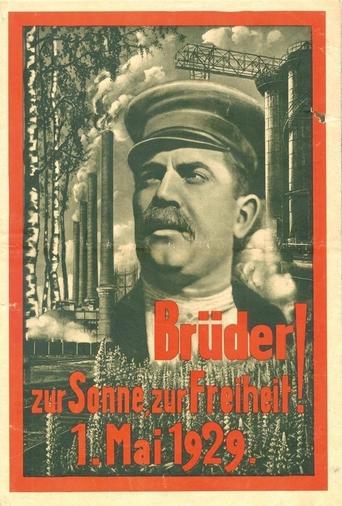
German film director active during the transitional period between silent cinema and early sound films in the late 1920s. His most notable work was the 1929 film 'Brüder' (Brothers), which emerged during dynamic periods in German cinema history. The film was produced during the final years of the Weimar Republic, a time when German cinema was experiencing tremendous artistic innovation and international recognition. Hochbaum's directorial work, though brief, reflected the social realist tendencies that were emerging in German film during this era. His career appears to have been concentrated around the year 1929, coinciding with the dramatic transition from silent to sound cinema that disrupted many film careers across Europe. Like many directors of this period, his work was likely impacted by the political and economic upheavals that would soon transform the German film industry with the rise of the Nazi regime in 1933.
The Craft
Behind the Camera
Social realist tendencies characteristic of late Weimar Republic cinema
Milestones
- Director of 'Brüder' (Brothers) in 1929
- Active during the silent-to-sound transition period in German cinema
Best Known For
Must-See Films
Why They Matter
Impact on Culture
Werner Hochbaum represents the numerous directors who worked during the final flowering of Weimar cinema but whose careers were cut short or obscured by the dramatic historical events of the 1930s. His work 'Brüder' (1929) stands as proof of the diverse voices contributing to German cinema during its internationally acclaimed golden age. Directors like Hochbaum were part of a generation that witnessed the transition from silent to sound cinema, a technological and artistic revolution that transformed filmmaking worldwide. Their contributions, though sometimes overlooked in film history, helped maintain Germany's reputation for cinematic innovation during the late 1920s. The brief nature of his career also illustrates how the political upheavals of the early 1930s disrupted the German film industry, causing many talented filmmakers to either flee, be silenced, or have their work lost to history.
Lasting Legacy
Werner Hochbaum's legacy is primarily preserved through his 1929 film 'Brüder,' which serves as a historical artifact of late Weimar cinema. While his directorial career was brief, his work contributes to our understanding of the diverse range of filmmakers active during one of cinema's most innovative periods. His film represents the social realist currents that were emerging in German cinema just before the Nazi regime's rise to power would dramatically alter the country's film landscape. Like many directors of his era, Hochbaum's story highlights the fragility of artistic careers in the face of historical upheaval and the importance of preserving even brief contributions to film history. His work remains of interest to film historians specializing in German cinema and the transition from silent to sound films.
Who They Inspired
Due to the brevity of his documented career and limited surviving information about his work, Werner Hochbaum's direct influence on other filmmakers is difficult to trace. However, as part of the generation of German directors working during the late 1920s, he would have been part of the broader cultural exchange that influenced international cinema during this period. The social realist elements in his known work reflect the broader artistic movements that would influence later generations of filmmakers both in Germany and internationally. His career trajectory also serves as an example of how historical circumstances can interrupt artistic development and influence, a lesson relevant to understanding film history throughout the 20th century.
Off Screen
Very little documented information is available about Werner Hochbaum's personal life, which is common for many directors from this early period of German cinema whose careers were brief or occurred before extensive film industry documentation became standard practice.
Did You Know?
- His only documented film 'Brüder' was released in 1929, the same year as the first German sound film 'Das Land ohne Frauen'
- The title 'Brüder' translates to 'Brothers' in English, suggesting themes of fraternal relationships
- His career coincided with the final year of Germany's Golden Age of cinema before the Wall Street Crash of 1929
- Like many German directors of his era, his career was likely impacted by the political changes of the early 1930s
- The year 1929 marked a major transition in cinema with the widespread adoption of sound technology
Frequently Asked Questions
Who was Werner Hochbaum?
German on YTB.my.
What films is Werner Hochbaum best known for?
Titles linked here include Brüder (Brothers) (1929).
When was Werner Hochbaum active as a director?
Werner Hochbaum's documented directorial career was concentrated in the year 1929, during the transition period between silent and sound cinema in Germany.
What was the significance of Hochbaum's work in German cinema?
His work represents the diverse voices contributing to late Weimar cinema and reflects the social realist tendencies emerging in German film just before the dramatic political changes of the 1930s.
Why is so little information available about Werner Hochbaum?
Limited documentation is common for directors from this early period of German cinema, especially those with brief careers or whose work was impacted by the historical upheavals of the 1930s.