Films
1 film
About Margarete Tondeur
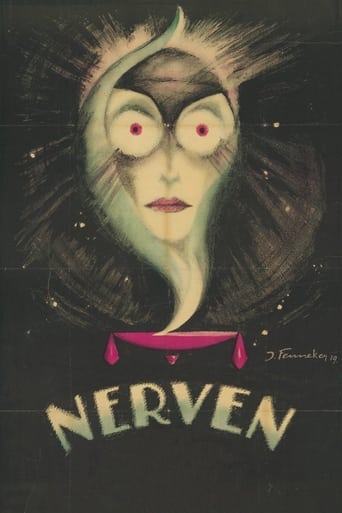
Margarete Tondeur worked on one surviving credit: Nerves (1919). With her entire known filmography consisting of a single, yet significant, role in the 1919 film 'Nerves' (original title: 'Nerven'). This film was directed by Robert Reinert and is considered a remarkable example of German Expressionist cinema, known for its psychological intensity and avant-garde visual style. Tondeur's performance in this film, though brief in the scope of her career, placed her within a pivotal moment in film history, working on a project that explored the fragile mental states of its characters in post-World War I Germany. Her career appears to have been exceptionally short, with no other documented film credits, suggesting she may have been a stage actress who took a single film role or someone who left the industry shortly after her debut. Despite the lack of a lengthy filmography, her association with 'Nerves' ensures her a place in the annals of classic German cinema. The film itself has gained cult status among film historians and enthusiasts for its bold and disturbing portrayal of societal anxiety, making Tondeur's contribution, however small, a part of a historically important work. Her legacy is intrinsically tied to this single, powerful film that captured the zeitgeist of a nation in turmoil.
The Craft
On Screen
Based on her role in 'Nerves', Margarete Tondeur's acting style was aligned with the German Expressionist movement, which favored exaggerated gestures and intense emotional expression to convey the inner psychological turmoil of characters. This style was less about realistic portrayal and more about externalizing internal feelings through dramatic body language and facial expressions, fitting the film's themes of anxiety and societal decay.
Milestones
- Starred in the influential German Expressionist film 'Nerves' (1919)
Best Known For
Iconic Roles
Must-See Films
Working Relationships
Worked Often With
Studios
Why They Matter
Impact on Culture
Margarete Tondeur's cultural impact is almost entirely derived from her participation in 'Nerves' (1919), a film that is now studied as a masterpiece of early German Expressionism. The film itself is a powerful artifact of its time, reflecting the psychological scars and social instability of Germany after World War I. By being part of this production, Tondeur contributed to a cinematic movement that would heavily influence film noir and later psychological thrillers. While she was not a star, her work is preserved as part of a film that helped define a new visual and thematic language in cinema, demonstrating how even minor roles in historically significant films contribute to the broader tapestry of film history.
Lasting Legacy
The legacy of Margarete Tondeur is that of a cinematic footnote, representing the many actors whose names are largely forgotten but who were essential to the creation of groundbreaking films. Her enduring legacy is her connection to 'Nerves', a film that continues to be analyzed and appreciated by film scholars for its bold artistic vision. She serves as a reminder of the collaborative nature of filmmaking, where every performer, regardless of the size of their role, plays a part in bringing a director's vision to life. Her name is forever linked to a specific, turbulent, and creatively fertile period in German cinema.
Who They Inspired
Due to the brevity of her career, there is no documented evidence of Margarete Tondeur directly influencing other actors or filmmakers. Her influence is indirect, through her contribution to 'Nerves', a film that has inspired generations of directors interested in psychological horror and expressionist techniques. She stands as an example of the talent pool available to German directors during the Weimar Republic, even if individual names like hers were lost to history.
Off Screen
Very little is documented about the personal life of Margarete Tondeur, as her fame did not extend beyond her single film appearance. Records of her family, marriages, or life outside of her brief film career are not publicly available, which is common for many supporting actors from the early silent era who did not achieve stardom.
Education
null
Did You Know?
- Her entire known filmography consists of just one film, 'Nerves' (1919).
- 'Nerves' was considered highly controversial and shocking for its time due to its depiction of madness and sexuality.
- The film's director, Robert Reinert, was a key figure in early German Expressionist cinema, though he is less famous than his contemporaries like F.W. Murnau or Fritz Lang.
- Despite its artistic merits, 'Nerves' was a commercial failure upon its release and was subsequently difficult to view for many decades.
- Margarete Tondeur is one of many actors from the silent era whose biographical details have been lost to time, highlighting the ephemeral nature of fame for early film performers.
- The film's original German title is 'Nerven'.
Frequently Asked Questions
Who was Margarete Tondeur?
German actress from the silent film era, known exclusively for her role in the 1919 Expressionist film 'Nerves'. Her career appears to have been limited to this single, but historically significant, film credit.
What film is Margarete Tondeur best known for?
She is solely known for her performance in the 1919 film 'Nerves' (German: 'Nerven'), directed by Robert Reinert. The film is a celebrated example of German Expressionism.
When was Margarete Tondeur born?
Born 1895; died null.
What awards did Margarete Tondeur win?
There are no records of Margarete Tondeur receiving any major awards or nominations for her work, which is not uncommon for a supporting actor with a single film credit from that era.
What was Margarete Tondeur's acting style?
Her acting style in 'Nerves' was characteristic of German Expressionism, involving exaggerated and dramatic gestures to portray intense psychological states, rather than subtle realism.
What is the legacy of Margarete Tondeur?
Her legacy is tied to her participation in a key film of the German Expressionist movement. She represents the many forgotten actors who contributed to historically important cinematic works, ensuring their artistry is preserved even if their names are not widely known.