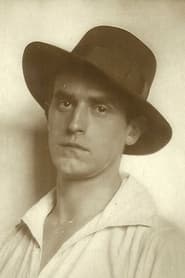
Carl de Vogt
Actor
Born: September 14, 1885 in Cologne, German Empire Died: February 16, 1970 Active: 1920-1964 Birth Name: Carl August de Vogt
Films
4 films
About Carl de Vogt
Prominent German actor of the silent film era, best known for his collaborations with director Fritz Lang and his commanding screen presence. Born in Cologne in 1885, he began his acting career on the stage before transitioning to cinema during the early 1920s. His breakthrough came with his role as the villainous Dr. Mabuse in Lang's influential two-part masterpiece 'Dr. Mabuse, the Gambler' (1922), which established him as one of Germany's most recognizable character actors. Throughout the 1920s, he appeared in numerous significant German productions, including historical epics like 'Helen of Troy' (1924) and adaptations of literary classics such as 'Nathan der Weise' (1922). His tall, imposing figure and intense acting style made him particularly suited for villainous roles, though he demonstrated versatility across various genres. With the advent of sound, he successfully transitioned to talkies, continuing his career in German cinema through the Nazi era and into the post-war period. He remained active in film and television until his retirement in the early 1960s, leaving behind a legacy of memorable performances that spanned four decades of German cinema.
The Craft
On Screen
Carl de Vogt was known for his intense, theatrical acting style that perfectly suited the expressionist era of German cinema. His tall, gaunt physique and piercing eyes made him particularly effective in villainous roles, where he could convey menace and psychological complexity through exaggerated gestures and facial expressions. In his silent film performances, he mastered the art of conveying emotion through body language and expression, a skill that translated well to his later sound work. His approach combined classical theatrical training with the emerging cinematic techniques of the 1920s, creating a distinctive presence that dominated the screen.
Milestones
- Breakthrough role as Dr. Mabuse in Fritz Lang's 'Dr. Mabuse, the Gambler' (1922)
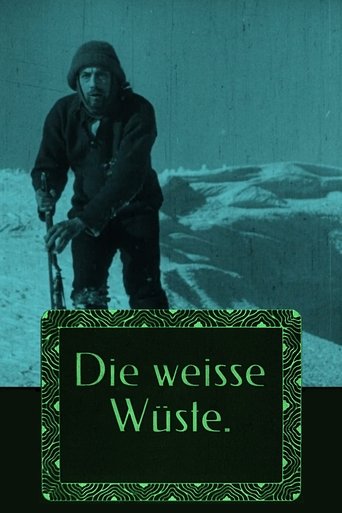
- Leading role in 'The White Desert' (1922)
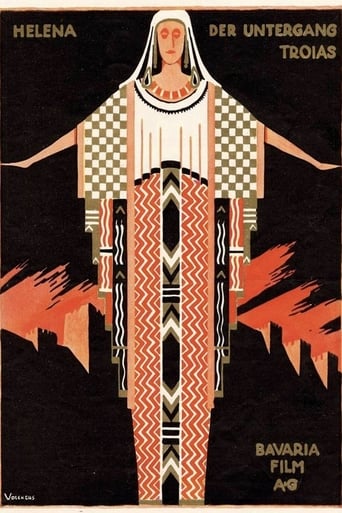
- Portrayal in 'Helen of Troy' (1924)
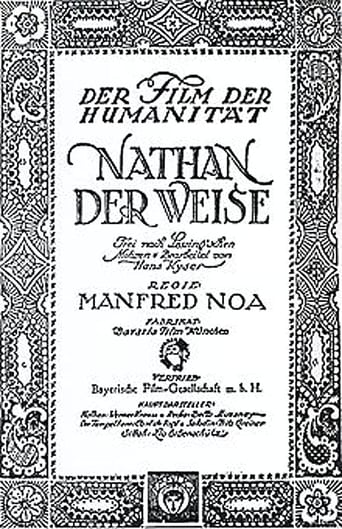
- Performance in 'Nathan der Weise' (1922)
- Successful transition from silent films to talkies
- Continued career through WWII and post-war German cinema
Best Known For
Iconic Roles
Must-See Films
Accolades
Special Recognition
- Recognized as one of the iconic faces of German Expressionist cinema
- Honored in retrospectives of German silent film history
Working Relationships
Worked Often With
Studios
Why They Matter
Impact on Culture
Carl de Vogt's portrayal of Dr. Mabuse in Fritz Lang's groundbreaking films helped establish the archetype of the criminal mastermind in cinema, influencing countless later portrayals of villains in film noir and thriller genres. His work during the German Expressionist period contributed to the visual and thematic vocabulary that would later influence Hollywood horror and film noir directors. As one of the recognizable faces of Weimar cinema, his performances captured the psychological tension and moral ambiguity that characterized German society between the wars. His ability to transition successfully through different political regimes in Germany demonstrated the adaptability required of artists during tumultuous historical periods.
Lasting Legacy
Carl de Vogt's legacy endures primarily through his iconic performance as Dr. Mabuse, a character that has been revived and reinterpreted by subsequent generations of filmmakers. His body of work serves as a valuable record of German cinema's evolution from the silent era through the early years of television. Film historians and scholars frequently cite his performances as examples of the distinctive acting style that characterized German Expressionist cinema. His career trajectory from Weimar cinema through the Nazi period and into post-war Germany provides insight into how actors navigated the dramatic political and cultural changes of 20th-century Germany.
Who They Inspired
De Vogt's intense, psychologically complex approach to villainous roles influenced subsequent generations of character actors, particularly in the thriller and noir genres. His work with Fritz Lang helped establish visual and thematic conventions for portraying criminal masterminds that continue to appear in contemporary cinema. Younger German actors studying the classical tradition often look to his performances as examples of how to combine theatrical technique with cinematic naturalism. His successful career transitions demonstrated the importance of adaptability for actors working through periods of rapid technological and social change in the film industry.
Off Screen
Carl de Vogt married actress Cläre Lotto in 1924, and their marriage lasted until her death in 1952. The couple frequently appeared together in films during the 1920s and 1930s, forming one of the more recognizable acting partnerships in German cinema. After Lotto's death, de Vogt married again in 1954 to actress Annemarie Schradiek. He lived in Berlin for most of his adult life and remained active in the German film industry even as it underwent dramatic political and social changes. His personal life was relatively private compared to his public persona, and he was known among colleagues as a dedicated professional who took his craft seriously.
Education
Trained in classical theater in Cologne before transitioning to film acting
Family
- Cläre Lotto (1924-1952)
- Annemarie Schradiek (1954-1970)
Did You Know?
- His role as Dr. Mabuse made him one of the first actors to portray a recurring cinematic supervillain
- He was over 6 feet tall, which contributed to his imposing screen presence
- He appeared in over 100 films throughout his career
- During WWII, he continued acting in German films, as did many established actors of his generation
- His distinctive appearance made him a popular choice for villainous roles throughout his career
- He successfully transitioned to television in the 1950s and 1960s
- His collaboration with Fritz Lang spanned multiple films and years
- He was one of the few silent film stars who maintained a successful career through the sound era
- His performance style influenced the development of the film noir genre in America
- He was known for his professionalism and reliability on set, qualities that kept him employed through Germany's various political regimes
In Their Own Words
In silent films, the eyes must speak what the voice cannot.
Playing a villain requires understanding that evil often sees itself as good.
The transition from silent to sound was not as difficult for those of us who came from the theater.
Frequently Asked Questions
Who was Carl de Vogt?
Prominent German with credits in this catalog. Mabuse in Fritz Lang's films and his work in German Expressionist cinema.
What films is Carl de Vogt best known for?
Titles linked here include Dr. Mabuse, the Gambler (1922), The White Desert (1922).
When was Carl de Vogt born and when did he die?
Born September 14, 1885; died February 16, 1970.
What awards did Carl de Vogt win?
While Carl de Vogt did not receive major formal awards during his career, he is recognized in film history as one of the iconic faces of German Expressionist cinema and is honored in retrospectives of German silent film.
What was Carl de Vogt's acting style?
De Vogt was known for his intense, theatrical acting style with exaggerated gestures and facial expressions, perfectly suited to German Expressionist cinema. His tall, imposing physique made him particularly effective in villainous roles.
Did Carl de Vogt work with any famous directors?
Yes, his most significant collaboration was with director Fritz Lang, particularly in the Dr. Mabuse films, which became landmarks of German cinema and helped establish both of their reputations.
How did Carl de Vogt transition from silent to sound films?
Unlike many silent film stars, de Vogt successfully transitioned to sound films due to his theatrical background and versatile acting abilities, continuing his career through the 1930s, 1940s, and into early television.
Was Carl de Vogt married?
Yes, he was married twice - first to actress Cläre Lotto from 1924 until her death in 1952, with whom he frequently co-starred, and later to actress Annemarie Schradiek from 1954 until his death in 1970.