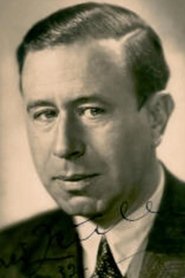
Alfred Zeisler
Director
Born: September 9, 1892 in Frankfurt, Germany Died: March 1, 1985 Active: 1929-1945
Films
1 film
About Alfred Zeisler
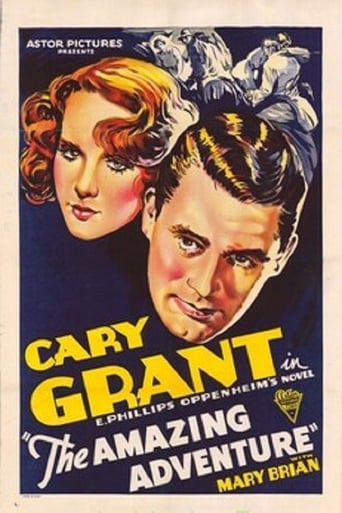
German-born film director, producer, and screenwriter who worked across multiple continents during the golden age of cinema. He began his career in the German film industry during the late 1920s, initially as a producer before transitioning to directing. With the rise of the Nazi regime in Germany, Zeisler, who was Jewish, emigrated to Britain where he established himself as a competent director of sophisticated comedies and dramas. His most notable British work was 'The Amazing Quest of Ernest Bliss' (1936), which starred a young Cary Grant and showcased Zeisler's talent for elegant, witty storytelling. He eventually moved to Hollywood where he continued directing throughout the late 1930s and 1940s, though often on B-movies and lower-budget productions for major studios. His career exemplified the journey of many European filmmakers who fled persecution and brought their cinematic sensibilities to Hollywood. Despite not achieving the same level of fame as some of his contemporaries, Zeisler maintained a steady and diverse output across different countries and film industries until his retirement.
The Craft
Behind the Camera
Known for sophisticated comedies with elegant visual composition and witty dialogue, particularly adept at drawing nuanced performances from actors in romantic and social comedy settings. His European background brought a refined sensibility to his films, with careful attention to production design and atmospheric storytelling.
Milestones
- Started as producer in German cinema (1929)
- Directed first film in Germany (1930)
- Emigrated to Britain after Nazi rise to power (1933)
- Directed 'The Amazing Quest of Ernest Bliss' starring Cary Grant (1936)
- Moved to Hollywood and worked for major studios (late 1930s)
- Continued directing through World War II era
Best Known For
Must-See Films
Accolades
Special Recognition
- Recognized as part of the wave of European émigré directors who enriched Hollywood cinema
Working Relationships
Worked Often With
Studios
Why They Matter
Impact on Culture
Alfred Zeisler represents the important but often overlooked group of European filmmakers who fled Nazi persecution and brought their artistic sensibilities to British and American cinema. His work helped bridge the gap between European cinematic traditions and Hollywood storytelling methods. As part of the émigré director community, he contributed to the internationalization of Hollywood during the 1930s and 1940s, bringing sophisticated European visual and narrative styles to mainstream American films. His career trajectory - from Germany to Britain to Hollywood - exemplifies the global nature of film talent migration during this turbulent period in world history.
Lasting Legacy
While not as widely remembered as some of his contemporaries, Alfred Zeisler's legacy lies in his contribution to the transnational flow of cinematic talent during the 1930s and 1940s. His films, particularly 'The Amazing Quest of Ernest Bliss,' remain valuable examples of the sophisticated comedy genre of the mid-1930s. His ability to work successfully in three different film industries demonstrates the adaptability and resilience of refugee filmmakers during one of cinema's most transformative periods. Zeisler's career serves as an important reminder of the many talented artists who contributed to the golden age of Hollywood while escaping persecution in Europe.
Who They Inspired
Zeisler influenced the development of romantic comedy in British and American cinema during the 1930s, particularly through his work with Cary Grant. His European approach to visual storytelling and character development contributed to the sophistication of Hollywood comedies during this era. As part of the émigré director community, he helped introduce European cinematic techniques and sensibilities to American filmmakers, though his individual influence was more subtle than that of more famous directors like Lubitsch or Wilder.
Off Screen
Alfred Zeisler was married three times, including to actress Lilli Palmer from 1933 to 1934. His personal life was marked by the upheaval of being a Jewish filmmaker forced to flee Nazi Germany, which shaped his career trajectory and led him to work in Britain and eventually the United States. He became an American citizen and spent his later years in Los Angeles.
Education
University of Heidelberg - studied law and philosophy before entering the film industry
Family
- Florence Meyer (1925-1932)
- Lilli Palmer (1933-1934)
- Lillian Hall (1940-1985)
Did You Know?
- Was one of the first German directors to work successfully in Britain after fleeing Nazi Germany
- His marriage to Lilli Palmer was brief but both went on to successful Hollywood careers
- Started as a producer before transitioning to directing
- Worked with Cary Grant before Grant became a major star
- Directed films in three languages: German, English, and French
- His film 'The Return of the Vampire' was one of the early horror films to feature Bela Lugosi post-Dracula
- Served as a mentor figure for other European émigré filmmakers in Hollywood
- His legal education at Heidelberg University gave him a unique perspective on film contracts and production
- Was part of the generation that successfully transitioned from silent films to talkies
- His films often featured strong female characters, unusual for the era
In Their Own Words
The challenge of making films in exile is not just about language, but about understanding the soul of a new audience while staying true to your artistic vision
Every film is a cultural bridge - when you make a movie in a new country, you're not just telling a story, you're learning how that culture dreams
Frequently Asked Questions
Who was Alfred Zeisler?
German-born on YTB.my. He was part of the wave of European filmmakers who fled Nazi persecution and brought their artistic talents to international cinema.
What films is Alfred Zeisler best known for?
Titles linked here include The Amazing Quest of Ernest Bliss (1936), The Man Who Changed His Name (1934).
When was Alfred Zeisler born and when did he die?
Born September 9, 1892; died March 1, 1985.
What awards did Alfred Zeisler win?
While Alfred Zeisler did not receive major formal awards during his career, he is recognized as an important figure among European émigré directors who contributed to the internationalization of Hollywood cinema during the 1930s and 1940s.
What was Alfred Zeisler's directing style?
Zeisler was known for sophisticated comedies with elegant visual composition and witty dialogue. His European background brought a refined sensibility to his films, with careful attention to production design and atmospheric storytelling, particularly in romantic and social comedies.
How did Alfred Zeisler end up working in Hollywood?
Zeisler fled Germany after the Nazi rise to power due to his Jewish heritage. He first worked in Britain, directing several films including 'The Amazing Quest of Ernest Bliss,' before eventually moving to Hollywood where he continued his career as a director for major studios.
Was Alfred Zeisler married to any famous actresses?
Yes, Zeisler was married to actress Lilli Palmer from 1933 to 1934. Both went on to have successful careers in Hollywood, with Palmer becoming a well-known character actress in American films and television.