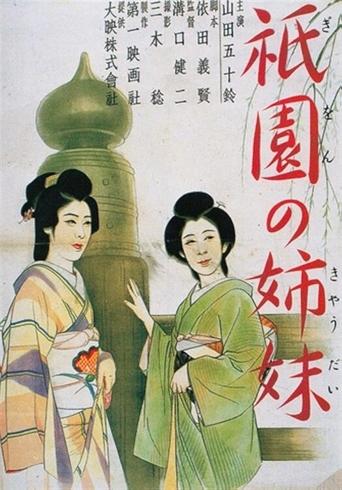
Films
1 film
About Sakurako Iwama
Sakurako Iwama appears once in this catalog: Sisters of the Gion (1936). Her known filmography consists of a single appearance in Kenji Mizoguchi's acclaimed 1936 film 'Sisters of the Gion' (Gion no kyodai), which stands as one of the masterpieces of pre-war Japanese cinema. The film, which explored the lives of geisha in Kyoto's Gion district, was part of Mizoguchi's critical examination of women's oppression in Japanese society. While her role in the production appears to have been minor, her participation connected her to directors and films of the era. The brief nature of her film career (spanning only 1936) suggests she may have been either a newcomer to the industry or someone who pursued acting only briefly before moving to other endeavors. Like many supporting actors of this period in Japanese cinema, detailed records about her life and career remain scarce, reflecting the limited documentation available for performers who were not major stars during the studio system era.
The Craft
Milestones
- Appeared in Kenji Mizoguchi's 'Sisters of the Gion' (1936)
Best Known For
Must-See Films
Working Relationships
Worked Often With
Why They Matter
Impact on Culture
While Sakurako Iwama herself had minimal documented cultural impact due to her brief film career, her participation in 'Sisters of the Gion' connects her to. The film itself was groundbreaking in its feminist perspective and social critique, influencing generations of Japanese filmmakers and contributing to the international recognition of Japanese cinema as an art form. The movie remains a cornerstone of film studies programs worldwide and is frequently cited as a masterpiece of realist cinema.
Lasting Legacy
Sakurako Iwama's legacy is primarily tied to her association with 'Sisters of the Gion,' ensuring her place in film history as a contributor to one of Japanese cinema's most important works. While she may not have achieved individual recognition, the film's enduring status means her contribution, however small, is preserved as part of a cinematic masterpiece that continues to be studied and celebrated internationally.
Who They Inspired
Due to the limited scope of her documented career, there is no available information about Sakurako Iwama's direct influence on other actors or filmmakers. However, her work in a Mizoguchi film places her within the director's influential circle of collaborators who helped shape realist cinema in Japan.
Off Screen
Very little is documented about Sakurako Iwama's personal life, which is typical for supporting actors from 1930s Japanese cinema whose careers were brief and who were not major public figures.
Did You Know?
- Appeared in only one known film during her entire career
- Worked with legendary director Kenji Mizoguchi during his most critically acclaimed period
- Her film 'Sisters of the Gion' was selected for preservation in the National Film Registry
- The film she appeared in was part of Mizoguchi's trilogy examining women's struggles in Japanese society
- 1936 was considered a peak year for Japanese cinema's golden age before wartime restrictions
- The film's themes of geisha life and women's economic dependence were controversial for its time
- Her co-star Isuzu Yamada became one of Japan's most celebrated actresses, working with directors like Kurosawa
Frequently Asked Questions
Who was Sakurako Iwama?
Japanese actress from the 1930s who is known to have appeared in only one film, Kenji Mizoguchi's 'Sisters of the Gion' (1936). Her career appears to have been very brief, spanning only the year 1936, and detailed information about her life and work remains limited.
What films is Sakurako Iwama best known for?
Titles linked here include Sisters of the Gion (1936).
When was Sakurako Iwama born and when did she die?
Unfortunately, specific birth and death dates for Sakurako Iwama are not documented in available historical records, which is not uncommon for supporting actors from 1930s Japanese cinema who had brief careers.
What awards did Sakurako Iwama win?
There are no documented awards or nominations for Sakurako Iwama, which is typical for actors with very brief film careers during this period of Japanese cinema history.
What was Sakurako Iwama's acting style?
Due to the limited documentation of her work and the apparent brevity of her career, there is insufficient information to describe Sakurako Iwama's specific acting style or techniques.
Why is Sakurako Iwama significant in film history?
While not individually prominent, Sakurako Iwama is significant for her participation in 'Sisters of the Gion,'. The film's enduring cultural importance means all contributors, including supporting actors, are part of cinema history.
Did Sakurako Iwama work with other famous directors?
Based on available records, Sakurako Iwama's only documented film work was with Kenji Mizoguchi, who is widely regarded as one of Japan's greatest directors and a master of realist cinema.