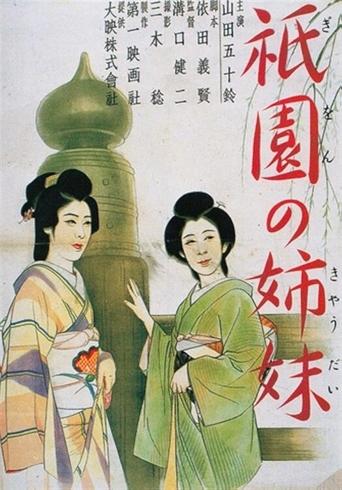
Films
1 film
About Somenosuke Hayashiya
Japanese actor active during the mid-1930s, appearing primarily in the golden era of Japanese cinema before World War II. His most notable and perhaps only known film credit is in Kenji Mizoguchi's acclaimed masterpiece 'Sisters of the Gion' (1936), which stands as films in Japanese cinematic history. Hayashiya worked during a transformative period in Japanese filmmaking when directors like Mizoguchi, Yasujiro Ozu, and Mikio Naruse were establishing Japan's reputation for artistic cinema. His career appears to have been brief, with filmography records showing activity only in 1936, suggesting he may have been a character actor or someone who transitioned out of the film industry quickly. The fact that he appeared in such a prestigious production indicates he was likely associated with established studio systems of the time, possibly working for major studios like Daiichi Eiga or Shinko Kinema. Like many supporting actors from this era, detailed biographical information remains scarce, particularly in Western documentation of Japanese cinema history.
The Craft
Milestones
- Appeared in Kenji Mizoguchi's 'Sisters of the Gion' (1936)
- Worked during the golden age of pre-war Japanese cinema
- Participated in
Best Known For
Iconic Roles
Must-See Films
Working Relationships
Worked Often With
Studios
Why They Matter
Impact on Culture
While Somenosuke Hayashiya's individual contribution to cinema may appear minimal due to his brief filmography, his participation in 'Sisters of the Gion' connects him to. This film was groundbreaking in its feminist perspective and social commentary, examining the lives of geishas in Kyoto's Gion district. The film's international recognition and preservation by film archives ensures that Hayashiya's work, however small, remains part of the permanent record of cinematic achievement. His appearance in this Mizoguchi classic places him within the context of Japan's cinematic golden age, a period that would later influence filmmakers worldwide and establish Japan as a major force in international cinema.
Lasting Legacy
Somenosuke Hayashiya's legacy is primarily tied to his association with 'Sisters of the Gion,' a film that continues to be studied and celebrated by film scholars and enthusiasts worldwide. While he may not have achieved individual fame, his contribution to this masterpiece ensures his place in film history, however minor. The film's preservation and continued study means that future generations of cinema historians will continue to encounter his name when researching the complete cast of this important work. His story represents the countless anonymous actors who contributed to the great films of cinema's early decades, whose names survive only through film credits and archival records.
Who They Inspired
As a supporting actor with only one known film credit, Somenosuke Hayashiya's direct influence on other performers or filmmakers is difficult to trace. However, his participation in Mizoguchi's work places him within the sphere of influence of one of cinema's greatest directors, whose techniques and approaches to filmmaking would later influence generations of international filmmakers including Jean-Luc Godard, Federico Fellini, and Andrei Tarkovsky. The film itself, with its realistic acting style and social consciousness, helped establish new directions in Japanese cinema that would influence subsequent generations of Japanese actors and directors.
Off Screen
Very little is documented about Somenosuke Hayashiya's personal life, which is common for supporting actors from 1930s Japanese cinema whose records were not extensively preserved or translated. His brief film career suggests he may have pursued other professions outside of acting or possibly been affected by the changing circumstances of Japanese society during the militarization period leading up to World War II.
Did You Know?
- 'Sisters of the Gion' was selected as one of the best Japanese films of all time in a 1989 poll of Japanese critics
- The film was part of Mizoguchi's trilogy examining women's roles in Japanese society
- 1936 was considered a peak year for Japanese cinema before the increased censorship of the late 1930s
- The film's realistic portrayal of geisha life was controversial for its time
- Many Japanese actors from this period used stage names, making biographical research challenging
- Pre-war Japanese films often had incomplete cast records, especially for supporting roles
- The film was shot on location in Kyoto's actual Gion district
- Mizoguchi was known for his demanding directing style, particularly with female actors
Frequently Asked Questions
Who was Somenosuke Hayashiya?
Japanese with credits in this catalog.' He appears to have had a brief career in cinema, with this film being his only documented credit.
What films is Somenosuke Hayashiya best known for?
Titles linked here include Sisters of the Gion (1936).
When was Somenosuke Hayashiya born and when did he die?
Specific birth and death dates for Somenosuke Hayashiya are not documented in available historical records, which is common for supporting actors from 1930s Japanese cinema whose biographical information was not extensively preserved.
What awards did Somenosuke Hayashiya win?
There are no documented awards or nominations for Somenosuke Hayashiya, which is typical for supporting actors from this era of Japanese cinema when formal award systems were not as established as they later became.
What was Somenosuke Hayashiya's acting style?
While specific details about Hayashiya's acting style are not documented, actors in 'Sisters of the Gion' were known for Mizoguchi's realistic approach, which emphasized naturalistic performances that reflected the social realities of 1930s Japan rather than theatrical acting styles.
Why is there so little information about Somenosuke Hayashiya?
The scarcity of information about Hayashiya reflects the broader challenge of documenting supporting actors from early Japanese cinema, where records were often incomplete, many actors used stage names, and historical documentation focused primarily on directors and lead performers.
How significant is 'Sisters of the Gion' in film history?
'Sisters of the Gion' is considered one of the masterpieces of world cinema, renowned for its feminist perspective, social commentary, and Mizoguchi's innovative filmmaking techniques. The film has been preserved by international film archives and continues to influence filmmakers worldwide.