Films
1 film
About Max Hiller
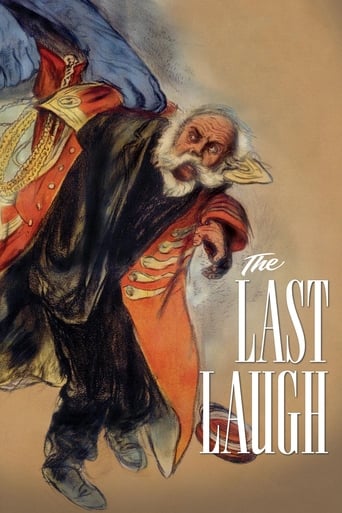
German actor who worked during the silent film era of the 1920s, achieving his most notable screen appearance in F.W. Murnau's masterpiece 'The Last Laugh' (1924). Hiller appeared as one of the hotel guests in this German Expressionist film, which starred Emil Jannings as an elderly hotel doorman who faces humiliation after being demoted to washroom attendant. His career appears to have been extremely brief, with documented film work limited to the year 1924, suggesting he may have been a bit player or extra rather than a leading character actor. Like many supporting actors in German cinema of this period, Hiller contributed to the background characters that gave films like 'The Last Laugh' their authentic, lived-in quality. The film itself was revolutionary for its innovative camera techniques and visual storytelling, making even minor roles part of cinema history. Unfortunately, detailed records about Hiller's life, training, or other potential film work are scarce, which was common for supporting actors of the silent era who often worked anonymously or under various pseudonyms.
The Craft
Milestones
- Appeared in F.W. Murnau's 'The Last Laugh' (1924)
Best Known For
Iconic Roles
Must-See Films
Working Relationships
Worked Often With
Why They Matter
Impact on Culture
Max Hiller's contribution to cinema, while minor in scope, places him within the context of. As a participant in 'The Last Laugh,' he was part of a revolutionary production that pioneered camera techniques like the 'unchained camera' method, which would influence filmmakers for decades. The film itself is studied in film schools worldwide for its visual innovation and emotional storytelling without intertitles, making even the smallest roles historically significant as part of this cinematic milestone.
Lasting Legacy
Max Hiller's legacy is tied to his participation in 'The Last Laugh,' ensuring his place in film history as a contributor to one of cinema's most important works. While he may not have achieved individual fame, his appearance in this landmark film means he is forever associated with the golden age of German Expressionist cinema and the technical innovations that transformed filmmaking. His brief career represents the countless anonymous actors who helped create the masterpieces of silent cinema.
Who They Inspired
As a bit player with an extremely brief career, Max Hiller's direct influence on other actors or filmmakers is not documented. However, his participation in 'The Last Laugh' contributed to a film that profoundly influenced directors worldwide, including Hollywood filmmakers who would adapt German Expressionist techniques for their own works in the late 1920s and 1930s.
Off Screen
Very little is documented about Max Hiller's personal life, which was typical for many bit players and supporting actors in German silent cinema. Records about his family background, personal relationships, or life outside of his brief film career have not been preserved in film archives or historical documents.
Did You Know?
- Appeared in what is considered one of the greatest German silent films ever made
- Worked with legendary director F.W. Murnau during his peak creative period
- Participated in a film that famously used no intertitles, relying solely on visual storytelling
- Was part of a production that pioneered the 'unchained camera' technique developed by cinematographer Karl Freund
- His entire documented film career spans only one year, 1924
- Appeared alongside Emil Jannings, who would later become the first winner of the Academy Award for Best Actor
- The film 'The Last Laugh' was a major influence on Alfred Hitchcock's early work
Frequently Asked Questions
Who was Max Hiller?
German with credits in this catalog.W. Murnau's acclaimed 1924 film 'The Last Laugh.' His career appears to have been extremely brief, with documented work limited to 1924.
What films is Max Hiller best known for?
Titles linked here include The Last Laugh (1924).
When was Max Hiller born and when did he die?
Unfortunately, specific birth and death dates for Max Hiller are not documented in available film archives or historical records, which was common for supporting actors of the silent era.
What awards did Max Hiller win?
There are no records of Max Hiller receiving any formal awards or recognition, which was typical for bit players and supporting actors in German cinema of the 1920s.
What was Max Hiller's acting style?
Given his brief career and minor role in 'The Last Laugh,' specific details about Max Hiller's acting style are not documented. He appeared as a background character in a film known for its realistic ensemble performances.
Did Max Hiller work with any famous directors?
Yes, Max Hiller worked with F.W. Murnau,.
What was the significance of 'The Last Laugh' in film history?
'The Last Laugh' was revolutionary for its time, camera techniques like the 'unchained camera' method and telling its story entirely without intertitles, relying on visual narrative. It's considered a masterpiece of German Expressionist cinema and influenced filmmakers worldwide.