Films
1 film
About Hans Unterkircher
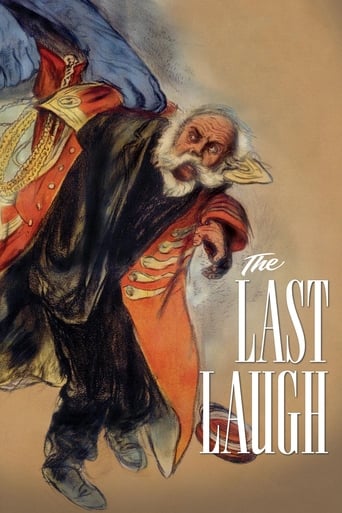
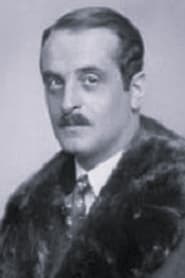
Austrian actor who worked during the silent film era of the 1920s, primarily in German and Austrian cinema productions. He is best remembered for his appearance in F.W. Murnau's 1924 film 'The Last Laugh' (Der letzte Mann), where he played a supporting role alongside Emil Jannings. While his filmography appears to be limited primarily to the year 1924, his participation in this landmark film places him within the context of the German Expressionist movement that was revolutionizing cinema at the time. Like many character actors of the silent era, Unterkircher contributed to the European cinema during its formative years, though detailed records of his complete career remain scarce. His work exemplifies the collaborative nature of silent film production, where even smaller roles were crucial to the overall impact of these cinematic masterpieces.
The Craft
On Screen
As a supporting actor in German Expressionist cinema, Unterkircher likely employed the exaggerated gestures and facial expressions characteristic of silent film acting, using physical performance to convey emotion without dialogue.
Milestones
- Appeared in F.W. Murnau's 'The Last Laugh' (1924)
- Participated in German Expressionist cinema movement
Best Known For
Iconic Roles
Must-See Films
Working Relationships
Worked Often With
Studios
Why They Matter
Impact on Culture
Hans Unterkircher's contribution to cinema, while not extensively documented, is part of the broader impact of German Expressionist film on international cinema. His participation in 'The Last Laugh' places him within a film that revolutionized cinematic technique through its innovative camera movements, subjective perspectives, and complete absence of intertitles. The film itself influenced countless directors and cinematographers worldwide, and Unterkircher, as part of this production, contributed to this artistic breakthrough even in a supporting capacity.
Lasting Legacy
Hans Unterkircher's legacy is primarily preserved through his involvement in. While he may not have achieved the lasting fame of stars like Emil Jannings, his work represents the collective effort of countless actors, technicians, and artists who created the foundation of modern cinema. His name appears in film histories as part of the cast of 'The Last Laugh,' ensuring his place in the chronicle of cinematic innovation.
Who They Inspired
As a supporting actor in a highly influential film, Unterkircher's direct influence on other performers is difficult to trace. However, his participation in 'The Last Laugh' contributed to a film that demonstrated new possibilities for cinematic storytelling, influencing generations of filmmakers and actors who followed. The film's techniques and approaches to character development would become part of the cinematic vocabulary that later actors would draw upon.
Off Screen
Very little is documented about Hans Unterkircher's personal life, which is common for supporting actors from the silent era who did not achieve major stardom. Details about his family background, relationships, or life outside of acting remain largely unknown to film historians.
Did You Know?
- Appeared in what is considered one of the greatest silent films ever made
- Worked with director F.W. Murnau
- Part of the German Expressionist film movement
- His filmography appears to be concentrated primarily in 1924
- 'The Last Laugh' was revolutionary for its lack of intertitles
- The film's title refers to the protagonist's loss of status, not literal laughter
- UFA, the studio behind the film, was one of Europe's most important film production companies
- The film's camera techniques were groundbreaking for their time
Frequently Asked Questions
Who was Hans Unterkircher?
Austrian with credits in this catalog.W. Murnau's 1924 masterpiece 'The Last Laugh.' He was a supporting actor in German Expressionist cinema during the mid-1920s.
What films is Hans Unterkircher best known for?
Titles linked here include The Last Laugh (1924).
When was Hans Unterkircher born and when did he die?
Specific birth and death dates for Hans Unterkircher are not well-documented in historical records, which is common for supporting actors from the silent era. He was Austrian by nationality and active in cinema during 1924.
What awards did Hans Unterkircher win?
There are no documented awards or nominations for Hans Unterkircher, which was typical for many supporting actors of the silent era whose contributions were not formally recognized through award systems that were still developing at the time.
What was Hans Unterkircher's acting style?
As an actor in German Expressionist cinema, Unterkircher likely employed the exaggerated physical performance style characteristic of silent films, using gestures and facial expressions to convey emotion without dialogue, typical of the period's acting techniques.