Films
1 film
About Tatyana Mukhina
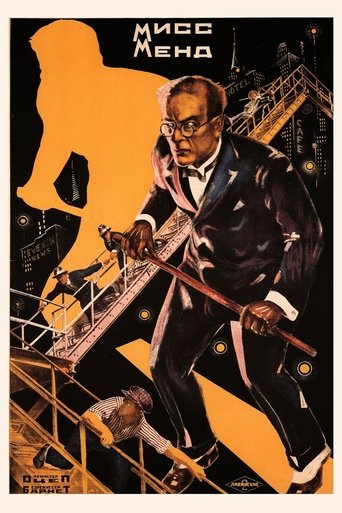
Soviet actress who emerged during the vibrant silent film era of the 1920s. Her career, though brief, intersected with periods in Soviet cinema history. She is primarily known for her appearance in the 1926 adventure film 'Miss Mend,' which became popular Soviet films of its decade. The film was directed by Fedor Ozep and based on a novel by Marietta Shaginyan, representing the Soviet Union's attempt to create popular entertainment alongside more ideologically-driven works. Mukhina's role in this ambitious production placed her alongside notable actors like Igor Ilyinsky and Vladimir Fogel, who were prominent figures in Soviet cinema. Unfortunately, like many actors from this period, particularly those with limited filmographies, detailed records of her life and career remain scarce. Her brief appearance in the film industry coincided with the transition from silent films to sound, a period that saw many careers either flourish or fade away.
The Craft
On Screen
While specific details about Tatyana Mukhina's acting style are not well-documented, her participation in 'Miss Mend' suggests she was trained in the theatrical and expressive style typical of Soviet silent cinema. Actors of this era often employed exaggerated gestures and facial expressions to convey emotion without dialogue, a technique that was particularly prevalent in Soviet film production of the mid-1920s.
Milestones
- Appeared in the landmark Soviet silent film 'Miss Mend' (1926)
- Participated in
Best Known For
Iconic Roles
Must-See Films
Working Relationships
Worked Often With
Studios
Why They Matter
Impact on Culture
Tatyana Mukhina's contribution to cinema, while limited to a single known film, places her within the context of the Soviet silent film movement of the 1920s. 'Miss Mend' was significant as one of the first Soviet adventure films and represented the industry's efforts to create popular entertainment that could compete with foreign imports. The film's success demonstrated that Soviet cinema could produce commercially viable entertainment alongside more ideologically-focused works. By participating in this production, Mukhina contributed to a film that helped establish the commercial possibilities of Soviet cinema during a crucial period of its development.
Lasting Legacy
Tatyana Mukhina's legacy is tied primarily to her appearance in 'Miss Mend,' a film that remains an important artifact of Soviet silent cinema. While her personal legacy may be limited due to the brevity of her career, the film itself continues to be studied by film historians interested in the development of popular cinema in the Soviet Union. Her contribution, though small, is part of the broader tapestry of Soviet film history during one of its most creative periods.
Who They Inspired
Due to the limited documentation of her career and the brevity of her time in the film industry, there is little evidence of Tatyana Mukhina's direct influence on other actors or filmmakers. However, her participation in 'Miss Mend' places her within a generation of Soviet actors who helped establish the foundations of the country's film industry during its formative years.
Off Screen
Very little information is available about Tatyana Mukhina's personal life, which is not uncommon for supporting actors from the Soviet silent era whose careers were brief and whose lives were not extensively documented in historical records.
Did You Know?
- 'Miss Mend' was
- The film was based on a novel by Marietta Shaginyan and was one of the first Soviet adventure films
- Director Fedor Ozep would later emigrate to the West and continue his filmmaking career
- The film was released in both domestic and international markets, helping to establish Soviet cinema's commercial viability
- Like many Soviet actors of the silent era, Mukhina's career appears to have ended with the transition to sound films
- The film featured elaborate action sequences and special effects, making it technically ambitious for its time
Frequently Asked Questions
Who was Tatyana Mukhina?
Soviet actress from the silent film era, primarily known for her appearance in the 1926 adventure film 'Miss Mend.' Her career appears to have been brief, with this film being her only documented credit, which was not uncommon for many actors in early Soviet cinema.
What films is Tatyana Mukhina best known for?
Titles linked here include Miss Mend (1926).
When was Tatyana Mukhina born and when did she die?
Unfortunately, specific birth and death dates for Tatyana Mukhina are not available in historical records, which is common for many supporting actors from the Soviet silent era whose lives were not extensively documented.
What awards did Tatyana Mukhina win?
There are no documented awards or honors for Tatyana Mukhina, which is typical for actors with brief careers in the 1920s Soviet film industry, especially those in supporting roles.
What was Tatyana Mukhina's acting style?
While specific details about her acting style are not documented, as a participant in Soviet silent cinema of the 1920s, she likely employed the theatrical and expressive techniques common to the era, using exaggerated gestures and facial expressions to convey emotion without dialogue.