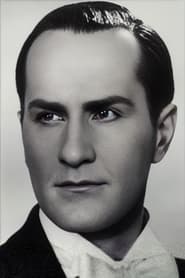
Vladimir Zeldin
Actor
Born: February 10, 1915 in Kozlov, Tambov Governorate, Russian Empire (now Michurinsk, Russia) Died: October 31, 2016 Active: 1938-2016 Birth Name: Vladimir Mikhailovich Zeldin
Films
2 films
About Vladimir Zeldin
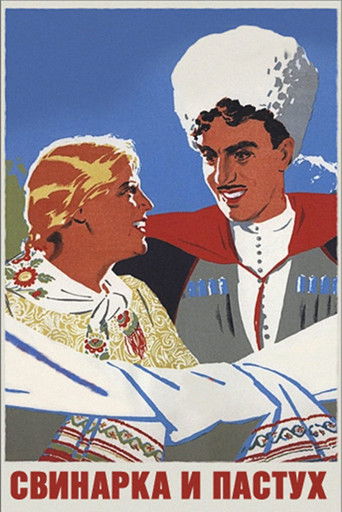
Vladimir Mikhailovich Zeldin was one of Russia's most beloved and enduring actors, whose remarkable over seven decades from the 1940s until his death at age 101. Born in 1915 in Kozlov (now Michurinsk), he began his career studying under the theater director Vsevolod Meyerhold before graduating from the State Institute of Theatre Arts in 1938. His breakthrough role came in the 1941 film 'Swineherd and Shepherd,' which established him as a leading man in Soviet cinema. Throughout his career, Zeldin balanced successful film work with an equally impressive stage career, primarily at the Moscow State Academic Theatre of Satire where he performed for over 60 years. He continued acting well into his centenary years, making him one of the oldest working actors in world history. His performances were characterized by a warm, dignified presence and remarkable versatility across dramatic and comedic roles. Zeldin received numerous state honors and was widely regarded as a national treasure in Russia, embodying the golden age of Soviet performing arts.
The Craft
On Screen
Zeldin was known for his refined, dignified acting style that combined classical Russian theatrical tradition with naturalistic screen presence. His performances were characterized by emotional depth, intellectual sophistication, and a warm, charismatic presence that resonated with Soviet and Russian audiences. He excelled in both dramatic and comedic roles, bringing a subtle wit and humanity to every character. His stage training under Meyerholt's system gave him exceptional physical control and expressive capabilities, while his film work demonstrated remarkable adaptability to the camera medium.
Milestones
- Breakthrough role in 'Swineherd and Shepherd' (1941)
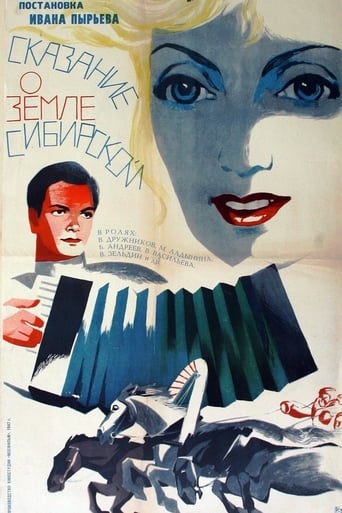
- Lead role in 'Tale of the Siberian Land' (1947)
- Decades-long association with Moscow State Academic Theatre of Satire
- Received title of People's Artist of the USSR (1975)
- Continued performing into his 100s, making him one of the world's oldest working actors
- Awarded Hero of Socialist Labor (1990)
- Received State Prize of the Russian Federation (1996)
Best Known For
Iconic Roles
Must-See Films
Accolades
Won
- Hero of Socialist Labor (1990)
- People's Artist of the USSR (1975)
- State Prize of the Russian Federation (1996)
- Order of Merit for the Fatherland, 1st class (2015)
- Order of Merit for the Fatherland, 2nd class (2010)
- Order of Merit for the Fatherland, 3rd class (2005)
- Order of the Red Banner of Labour (1975)
- Order of the October Revolution (1985)
- Order of Friendship (1995)
- Lenin Prize (1972)
Nominated
- Nika Award for Best Actor (1991)
- Various Soviet and Russian film award nominations throughout career
Special Recognition
- Hero of Socialist Labor
- People's Artist of the USSR
- People's Artist of the RSFSR (1959)
- Honored Artist of the RSFSR (1954)
- Moscow Government Prize (2003)
- Stanislavsky Award (2001)
- Crystal Turandot Award (2000)
- Golden Eagle Award for Lifetime Achievement (2007)
Working Relationships
Worked Often With
Studios
Why They Matter
Impact on Culture
Vladimir Zeldin became a cultural icon in Soviet and Russian cinema, representing the ideal of the refined, intellectual actor who could embody both the Soviet ideal and universal human values. His performances helped define the golden age of Soviet cinema, particularly during the post-war period when films like 'Tale of the Siberian Land' helped shape national identity and reconstruction narratives. Zeldin's work bridged the gap between theatrical tradition and cinematic realism, influencing generations of Russian actors. His longevity made him a living connection to the early Soviet film era, and he continued to be an active participant in Russian cultural life well into the 21st century, serving as a mentor and inspiration to younger generations of performers.
Lasting Legacy
Vladimir Zeldin's legacy is that of one of Russia's most enduring and beloved cultural figures, whose active years covered from the Stalin era through post-Soviet Russia. He is remembered not only for his remarkable film and stage performances but also for his extraordinary longevity in the profession, continuing to perform into his 100s. Zeldin represented the continuity of Russian theatrical tradition through dramatic political and social changes, maintaining artistic integrity throughout. His contributions to both cinema and theater earned him the highest honors in the Soviet and Russian cultural establishments. Today, he is celebrated as a national treasure who embodied the best of Russian performing arts, and his performances continue to be studied and admired by actors and scholars.
Who They Inspired
Zeldin influenced generations of Russian and Soviet actors through his combination of classical technique and naturalistic performance style. His work at the Theatre of Satire helped establish a model for ensemble theater that balanced entertainment with artistic merit. Younger actors who worked with him often cited his professionalism, dedication, and ability to remain current while respecting tradition as major influences. His longevity demonstrated that actors could maintain relevance and artistic vitality throughout their entire lives, challenging ageism in the performing arts. Zeldin's approach to character development, particularly his ability to find humanity in both dramatic and comedic roles, became a model for Russian actors seeking versatility in their careers.
Off Screen
Vladimir Zeldin was married twice during his long life. His first marriage was to fellow actress Ivetta Yevdokimova, with whom he had a son, Vladimir. After their divorce, he married actress and director Alla Larionova in 1966, and they remained together until her death in 2000. Zeldin was known for his dedication to his craft and maintained an active personal and professional life well into his centenary years. He was widely respected for his professionalism, modesty, and commitment to the theatrical arts.
Education
Graduated from the State Institute of Theatre Arts (GITIS) in 1938, studied under the direction of Vsevolod Meyerhold and other prominent Soviet theater educators
Family
- Ivetta Yevdokimova (1940s-1960s)
- Alla Larionova (1966-2000, until her death)
Did You Know?
- Lived to be 101 years old, making him one of the oldest working actors in world history
- Continued performing on stage until just months before his death at age 101
- His breakthrough role in 'Swineherd and Shepherd' (1941) came when he was 26 years old
- Received the title of People's Artist of the USSR, the highest artistic honor in the Soviet Union
- Worked at the same theater (Theatre of Satire) for over 60 years
- His second wife Alla Larionova was also a famous Soviet actress
- Performed in over 30 films and numerous stage productions throughout his career
- Was one of the few Soviet actors who successfully transitioned from Stalin era to post-Soviet Russia
- Celebrated his 100th birthday with a special performance at the Theatre of Satire
- Received the Hero of Socialist Labor, one of the Soviet Union's highest civilian honors
In Their Own Words
The theater is my home, and the stage is my life. As long as I can stand and speak, I will perform.
Age is just a number. What matters is the fire in your soul and the desire to create.
Every role is a new life, a new opportunity to understand human nature better.
The secret to longevity is simple: love what you do and never stop learning.
In our profession, we don't age - we accumulate experience and wisdom.
Frequently Asked Questions
Who was Vladimir Zeldin?
Renowned Russian and Soviet with credits in this catalog. He was.
What films is Vladimir Zeldin best known for?
Titles linked here include Swineherd and Shepherd (1941), Tale of the Siberian Land (1947).
When was Vladimir Zeldin born and when did he die?
Born February 10, 1915; died October 31, 2016.
What awards did Vladimir Zeldin win?
Zeldin received numerous prestigious awards including the title of People's Artist of the USSR (1975), Hero of Socialist Labor (1990), State Prize of the Russian Federation (1996), and the Lenin Prize (1972), among many other state honors and artistic awards.
What was Vladimir Zeldin's acting style?
Zeldin was known for his refined, dignified acting style that combined classical Russian theatrical tradition with naturalistic screen presence. His performances were characterized by emotional depth, intellectual sophistication, and a warm, charismatic presence that excelled in both dramatic and comedic roles.
How long did Vladimir Zeldin's career last?
Zeldin's incredible career lasted 78 years, from his graduation in 1938 until his death in 2016. He continued performing on stage until just months before his 101st birthday, making him one of the oldest working actors in world history.
What theater was Vladimir Zeldin associated with?
Zeldin was associated with the Moscow State Academic Theatre of Satire for over 60 years, where he performed numerous leading roles and became one of the theater's most celebrated actors.