Films
1 film
About Franklin Dyall
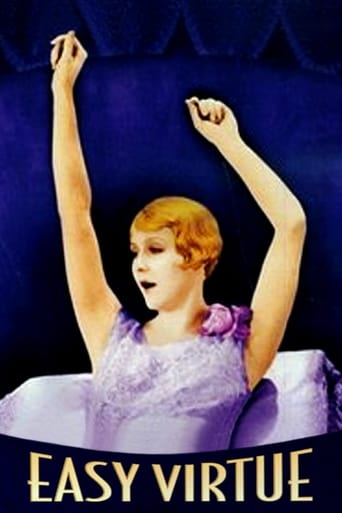
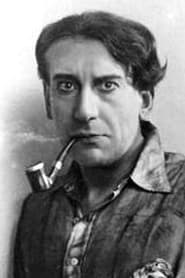
British actor: the transition from silent cinema to the early sound era, with his most prominent work occurring during the 1920s and 1930s. Born in Liverpool in 1888, Dyall began his career on the British stage before transitioning to film, where he quickly established himself as a reliable character actor with a commanding presence. His breakthrough role came in Alfred Hitchcock's 1928 silent film 'Easy Virtue,' where he played the character John Whittaker, demonstrating his ability to convey complex emotions through the limited medium of silent performance. Throughout his career, Dyall appeared in numerous British productions, often playing authoritative or aristocratic characters that suited his bearing and refined delivery. He successfully navigated the challenging transition to sound films, adapting his acting style to accommodate dialogue while maintaining the expressive qualities that had made him effective in silent cinema. Dyall continued working in film through the 1930s and into the early 1940s, appearing in both leading and supporting roles across various genres including drama, romance, and early crime films. His career, while not achieving the international recognition of some of his contemporaries, represents the important work of character actors who formed the backbone of British cinema during its formative years.
The Craft
On Screen
Dyall was known for his refined, theatrical acting style that was well-suited to both silent and early sound films. He possessed a commanding stage presence and aristocratic bearing that made him particularly effective in roles requiring authority and sophistication. His performances were characterized by precise gestures and expressive facial features in silent films, which translated well to the more nuanced requirements of sound cinema where his clear diction and measured delivery served him well.
Milestones
- Starred in Alfred Hitchcock's Easy Virtue (1928)
- Successfully transitioned from silent to sound films
- Established career as a character actor in British cinema
- Appeared in numerous films during the Golden Age of British cinema
Best Known For
Iconic Roles
Must-See Films
Working Relationships
Worked Often With
Studios
Why They Matter
Impact on Culture
Franklin Dyall contributed to the development of British cinema during its crucial transition period from silent films to sound, representing the type of skilled character actor who provided essential support to the leading stars and directors of the era. His work in Hitchcock's 'Easy Virtue' places him within the context of early British cinema's most important artistic movements, helping to establish the sophisticated dramatic style that would become characteristic of British film production. As an actor who successfully navigated the technical and artistic challenges of the sound transition, Dyall exemplified the adaptability required of performers during this revolutionary period in film history.
Lasting Legacy
Franklin Dyall's legacy lies primarily in his contribution to the foundation of British cinema during its formative years, particularly through his collaboration with emerging talents like Alfred Hitchcock. While not achieving the lasting fame of some contemporaries, his body of work represents the essential supporting performances that enabled British films of the 1920s and 1930s to achieve their artistic ambitions. His career serves as an example of the journeyman actors who formed the backbone of the film industry, providing continuity and expertise during a period of rapid technological and artistic change in cinema.
Who They Inspired
As a character actor who worked consistently during the transition from silent to sound films, Dyall influenced younger performers through his demonstrated ability to adapt to new cinematic technologies while maintaining artistic integrity. His work in early Hitchcock films contributed to the development of the distinctive acting style that would become associated with British psychological thrillers, emphasizing restraint and psychological depth over overt dramatic gestures.
Off Screen
Franklin Dyall maintained a relatively private personal life throughout his career, with limited public information available about his family relationships or personal affairs. His professional life was his primary public focus, and he was respected within the British film industry for his dedication to his craft and his consistent performances across various film genres. Like many actors of his generation, he experienced the challenges of maintaining a career during the transition from silent to sound films and through the economic difficulties of the 1930s.
Did You Know?
- Appeared in Alfred Hitchcock's early silent film 'Easy Virtue' (1928)
- Successfully transitioned from silent films to talkies
- Was primarily active in British cinema rather than Hollywood
- His active years covered the crucial transition period in film history
- Often played aristocratic or authoritative characters
- Worked during the Golden Age of British cinema
- Part of the generation of actors who helped establish British film as a distinct artistic medium
Frequently Asked Questions
Who was Franklin Dyall?
British with credits in this catalog. He was a character actor who successfully transitioned from silent to sound films during this pivotal period in cinema history.
What films is Franklin Dyall best known for?
Titles linked here include Easy Virtue (1928), The Man Who Changed His Name (1934).
When was Franklin Dyall born and when did he die?
Born 1888; died 1950.
What awards did Franklin Dyall win?
There are no recorded major awards or honors specifically attributed to Franklin Dyall. Like many character actors of his era, his contributions were primarily through consistent, reliable performances rather than through formal recognition or awards.
What was Franklin Dyall's acting style?
Dyall was known for his refined, theatrical acting style with a commanding presence and aristocratic bearing. In silent films, he used precise gestures and expressive features, while in sound films, he employed clear diction and measured delivery, making him particularly effective in authoritative or sophisticated roles.