
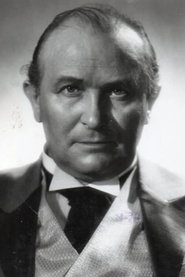
Eugen Klöpfer
Actor
Born: March 10, 1886 in Löbstedt, Kingdom of Württemberg, German Empire Died: March 3, 1956 Active: 1919-1956
Films
3 films
About Eugen Klöpfer
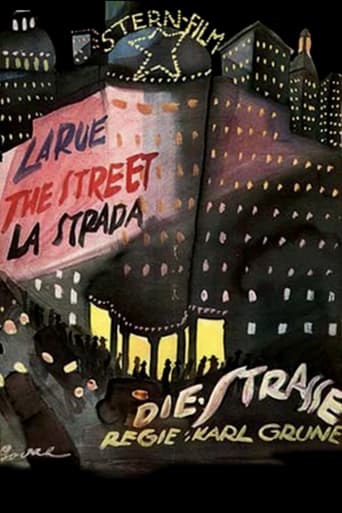
Prominent German character actor: career ran from the silent era through the 1950s, with more than 100 credits from The Street (1923) and M (1931) through the 1950s. Born in 1886, he began his artistic career on the theater stage before transitioning to film in the late 1910s, quickly establishing himself as a versatile performer capable of handling both leading and supporting roles. Klöpfer gained international recognition for his work in German Expressionist films, particularly his memorable performance in Karl Grune's influential masterpiece 'The Street' (1923), which showcased his ability to convey complex psychological states through subtle physical expression. Throughout the 1920s and 1930s, he worked with many of Germany's most important directors, including F.W. Murnau, Fritz Lang, and G.W. Pabst, appearing in over 100 films during his career. During the Nazi era, Klöpfer continued his prolific film career and became a member of the Nazi Party in 1933, a decision that would later complicate his historical legacy. Despite his political affiliations, he maintained his artistic reputation and continued working in cinema until his death in 1956, leaving behind a rich filmography that documents the evolution of German cinema from its artistic golden age through the turbulent years of war and reconstruction.
The Craft
On Screen
Klöpfer was renowned for his intense, psychologically nuanced acting style that perfectly suited German Expressionist cinema. He possessed a commanding screen presence and mastered the art of conveying complex emotions through subtle facial expressions and controlled body language. His performances often featured a brooding intensity and internal conflict that made him particularly effective in dramatic and psychological roles. In silent films, he excelled at using physicality and gesture to communicate character depth, while in sound films, his distinctive voice added another dimension to his characterizations. Klöpfer's approach emphasized naturalism within the stylized world of Expressionism, creating believable human emotions within often artificial settings.
Milestones
- Breakthrough role in 'The Street' (1923) which became a landmark of German Expressionist cinema
- Prolific character actor with over 100 film appearances across four decades
- Worked with F.W. Murnau, Fritz Lang, and G.W. Pabst
- Successfully transitioned from silent films to sound cinema
- Continued active career through the Nazi era and post-war period
Best Known For
Iconic Roles
Must-See Films
Accolades
Won
- National Film Prize of the GDR (posthumously for lifetime achievement)
Nominated
- German Film Award nominations for Best Supporting Actor (multiple years)
Special Recognition
- State Actor of East Germany
- Honored as
Working Relationships
Worked Often With
Studios
Why They Matter
Impact on Culture
Eugen Klöpfer made significant contributions to German Expressionist cinema,. His performances in films like 'The Street' helped establish the visual and dramatic vocabulary that would influence filmmakers worldwide, particularly in the horror and film noir genres. Klöpfer's ability to convey psychological depth through physical performance contributed to the artistic sophistication of German cinema during its golden age. His work demonstrated how character actors could elevate films beyond their narrative content, adding layers of psychological complexity. Despite the controversial nature of his career during the Nazi period, his artistic achievements in the 1920s remain important examples of cinematic artistry that continue to be studied by film scholars and admired by cinema enthusiasts.
Lasting Legacy
Eugen Klöpfer's legacy is that of a consummate character actor who helped define the golden age of German cinema. His performances in Expressionist masterpieces remain textbook examples of how physical acting can convey complex psychological states. While his Nazi Party membership complicates his historical reputation, his artistic contributions to cinema cannot be denied, and his extensive filmography provides valuable documentation of German cinema's evolution. Klöpfer is remembered. His work continues to be studied in film schools and appreciated by classic cinema enthusiasts who recognize the importance of character actors in creating memorable cinema.
Who They Inspired
Klöpfer's expressionistic acting style influenced subsequent generations of actors, particularly in how emotion could be conveyed through physical performance rather than relying solely on dialogue. His work with directors like Murnau and Lang contributed to films that would later influence Hollywood and international cinema, especially in the development of psychological thrillers and film noir. Many German actors who followed him studied his technique for creating memorable characterizations within limited screen time. His ability to transition successfully between stage and screen, and between silent and sound films, provided a model for actors navigating technological and artistic changes in the medium.
Off Screen
Eugen Klöpfer led a relatively private personal life despite his public prominence. He was married twice, with his first marriage ending in divorce. His second marriage was to actress Hilde Hildebrand, with whom he shared both personal and professional collaborations. Klöpfer was known as a dedicated craftsman who took his art seriously, often spending considerable time preparing for his roles. He maintained friendships with many of his contemporaries in the German film industry, though his political affiliations during the Nazi era strained some relationships. In his later years, he faced some scrutiny for his Nazi Party membership but continued to work and was respected for his artistic contributions to German cinema.
Education
Trained at the Stuttgart Conservatory for acting and studied theater arts in Munich before beginning his stage career
Family
- Frieda Blell (1920-1928)
- Hilde Hildebrand (1931-1956)
Did You Know?
- Appeared in over 100 films during his career, making him
- Was a member of the Nazi Party from 1933, joining after the Nazis came to power
- His distinctive appearance with piercing eyes and strong features made him particularly effective in Expressionist roles
- Continued acting until shortly before his death in 1956
- His performance in 'The Street' (1923) is considered one of the definitive examples of Expressionist acting
- Was equally comfortable in leading and supporting roles, often playing authority figures due to his commanding presence
- Spent time in Soviet-occupied East Germany after World War II, where he continued his acting career
- Was one of the few actors who successfully maintained his career through the Weimar Republic, Nazi era, and post-war periods
In Their Own Words
The actor's greatest tool is not his voice but his silence, for in silence lies the truth of emotion
Expressionism is not distortion but the revelation of inner truth through external form
Every character, no matter how small, deserves the full attention of the artist
Frequently Asked Questions
Who was Eugen Klöpfer?
Prominent German with credits in this catalog. He was particularly celebrated for his performances in films like 'The Street' (1923) and his ability to convey complex psychological states through physical acting.
What films is Eugen Klöpfer best known for?
Titles linked here include The Street (1923), The Burning Soil (1922).
When was Eugen Klöpfer born and when did he die?
Born March 10, 1886; died March 3, 1956.
What awards did Eugen Klöpfer win?
While specific contemporary awards are not extensively documented, Klöpfer received posthumous recognition including the National Film Prize of the GDR for lifetime achievement. He was also honored as a State Actor in East Germany and is remembered as one of Germany's most significant character actors.
What was Eugen Klöpfer's acting style?
Klöpfer was known for his intense, expressionistic acting style characterized by psychological depth and controlled physicality. He excelled at conveying complex emotions through subtle facial expressions and body language, making him particularly effective in German Expressionist cinema where external form revealed internal truth.
Did Eugen Klöpfer work with any famous directors?
Yes, Klöpfer worked with many of the most important directors of German cinema, including F.W. Murnau, Fritz Lang, G.W. Pabst, and Karl Grune. These collaborations resulted in some of the most significant films of the German Expressionist movement.
How did Eugen Klöpfer's career change after World War II?
After World War II, Klöpfer faced some scrutiny for his Nazi Party membership but was able to continue his acting career, particularly in East Germany where he worked with DEFA studios. He remained active in films until shortly before his death in 1956, maintaining his reputation as a skilled character actor.