Bruno Lopinski
Actor
- Active
- 1912-1912
Films 1
About Bruno Lopinski
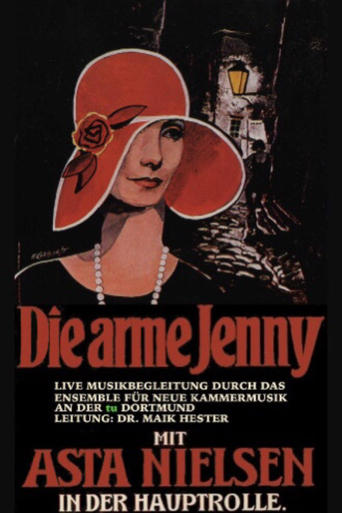
Bruno Lopinski is a largely obscure figure from the silent-film era, known in surviving film records primarily for his credited appearance in the 1912 production Poor Jenny. Available documentation on him is extremely limited, and he appears to have been active only briefly, or at least only briefly in films that have survived in indexes and databases. He is best understood as one of the many early screen performers whose work helped populate the emerging narrative cinema of the 1910s, when film credits were often incomplete and many careers passed into obscurity. No reliable biographical record has been confirmed for his birth, death, training, or later life, which is not unusual for minor performers of the period. Because of this scarcity of evidence, his contribution is mainly historical: he represents the thousands of actors who participated in the formative years of motion pictures but left only a faint trace in the archival record. Further identification would likely depend on trade-paper research, studio paperwork, or local historical records that have not yet been linked to his screen credit.
More about Bruno Lopinski
In film history
Bruno Lopinski's cultural impact is primarily archival and historical rather than celebrity-driven. He stands as evidence of how early cinema depended on a wide body of working performers, many of whom never became stars but still contributed to the development of screen performance in the silent period. His presence in early film records also illustrates the uneven survival of information from 1910s filmmaking, when many actors were not fully credited in contemporary publicity and their careers could be lost to history. For researchers and database historians, names like Lopinski are important because they help reconstruct the labor force behind early motion pictures and preserve the breadth of film culture beyond the most famous stars.
Later reputation
His legacy lies in documentation rather than fame. Bruno Lopinski is part of the historical record of silent cinema, a reminder that the early film industry was built not only by marquee names but also by innumerable lesser-known performers whose work supported the medium's growth. Even when no extensive biography survives, a single credited film can be enough to secure a small but meaningful place in cinema history. For film historians, such figures are valuable because they help complete cast lists and improve the accuracy of early film scholarship.
Influence
There is no verified evidence that Bruno Lopinski directly influenced other actors or directors in a documented way. His importance is better understood as indirect: by participating in early screen production, he contributed to the collective evolution of acting before the camera during the silent era. As with many obscure performers from the period, his name persists mainly as a data point in the larger history of cinema rather than as a widely acknowledged influence on later artists.
Off screen
No reliable biographical information about Bruno Lopinski's personal life has been confirmed in accessible standard film references. There is no verified record here of his family background, marriages, children, residence, or activities outside his brief screen credit. This lack of detail is common for minor silent-era performers, especially those who worked before systematic studio publicity and consistent crediting practices became standard. Any further claims about his personal life would require primary-source verification.
Credits
- Credited screen appearance in Poor Jenny (1912), the only readily documented film associated with his name
- Participation in the silent-film era during a period when American and international cinema were rapidly developing narrative form and screen acting conventions
- Representation of the many early performers whose careers are preserved only in fragmentary filmographic references
Roles
- Role in Poor Jenny (1912)
Films
- Poor Jenny (1912)
Notes
- Bruno Lopinski is known in surviving records primarily for one film credit: Poor Jenny (1912).
- His career, as currently documented, falls entirely within a single year, making him an especially elusive silent-era figure.
- He is an example of an early film performer whose biographical details were not preserved in standard reference sources.
- Because early film credits were often inconsistent, it is possible that additional appearances by him may exist in archival sources not yet fully connected to his name.
- His surviving record highlights how many participants in silent cinema remain under-researched despite appearing in historically significant productions.
- He is not widely represented in mainstream histories of classic Hollywood, which makes him a useful subject for archival film research.
Questions
Who was Bruno Lopinski?
Bruno Lopinski was a silent-era actor who is currently documented mainly for his appearance in Poor Jenny (1912). He is a relatively obscure figure, and surviving information about his life and broader career is extremely limited. His importance today is mostly historical, as part of the early film workforce that shaped the medium.
What films is Bruno Lopinski best known for?
He is best known for Poor Jenny (1912), which is the only film credit currently associated with him in readily accessible references. No other confirmed titles can be stated with confidence here. If additional credits exist, they are not securely documented in the standard information available.
When was Bruno Lopinski born and when did he die?
His birth and death dates are not currently confirmed in accessible reference sources. The same is true for his birthplace and place of death, if applicable. This is common for many minor performers from the silent era whose records were never fully preserved.
What awards did Bruno Lopinski win?
No awards or nominations are currently documented for Bruno Lopinski. As a little-known early silent-film performer, he appears to predate the awards culture that later became central to Hollywood recognition. His historical value lies in his screen credit rather than in formal honors.
What was Bruno Lopinski's acting style?
There is no surviving critical description of his personal acting style in the accessible record. Since he worked in the silent era, any performance would have relied on the expressive physical techniques typical of early screen acting. However, no specific stylistic assessment can be verified for him individually.
What is Bruno Lopinski's legacy in film history?
His legacy is that of an early cinema participant whose name survives despite the loss of most personal details. He helps illustrate the breadth of the silent-film industry and the many working actors whose careers were not fully recorded. For historians, such names are important because they preserve the cast history of early films and keep the record of cinema's formative years more complete.