1912 · Approximately 40 minutes

Also available on: YouTube Archive.org
Poor Jenny

Poor Jenny

1912 Approximately 40 minutes Denmark
Sexual double standardsFemale vulnerabilitySocial shame and ostracismClass disparityUrban temptation and moral downfall

Plot

Poor Jenny follows Jenny, a working-class cleaner whose life is upended when she is pursued and seduced by the elegant local playboy Edouard. After spending the night with him, Jenny is cast out by her parents, who reject her for bringing shame upon the family. Unable to return to her former life, she is forced to seek work on the stage and becomes a vaudeville dancer, but her vulnerability and isolation continue to deepen. The film traces her gradual social descent with a melodramatic inevitability, ending in her ruin and abandonment in the gutter, a stark indictment of sexual double standards and the limited options available to women in early 20th-century society.

About the Production

Release Date 1912
Production Rex Film, Nordisk Film Company
Filmed In Copenhagen, Denmark

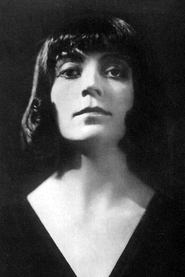
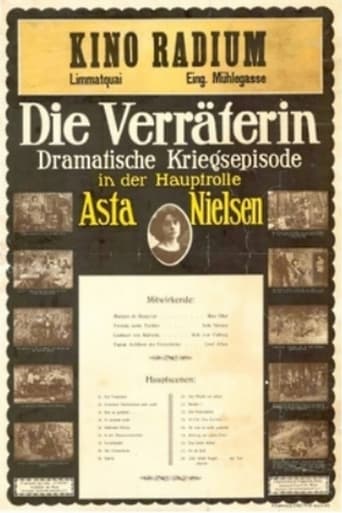
Poor Jenny was produced during the early phase of Urban Gad and Asta Nielsen's collaboration, which helped establish Nielsen as one of Europe’s first major screen celebrities. The film is characteristic of the psychologically driven melodramas that made Gad and Nielsen internationally famous, emphasizing social realism, sexual politics, and the tragic consequences of moral judgment. As with many Danish silent films of the period, exact production records such as budget and box office are not well documented, but the film was part of the highly exportable output of the Danish industry before World War I. Its success relied heavily on Nielsen’s intense, modern screen acting style, which contrasted sharply with the more theatrical performances common in earlier cinema.

Historical Background

Poor Jenny was released in 1912, during the formative years of feature-length narrative cinema, when film industries in Denmark, Italy, France, and the United States were rapidly developing longer, more sophisticated stories. The early 1910s were also a period of strong social anxiety around women’s sexuality, urbanization, and class mobility, and films like this tapped directly into those tensions by dramatizing the punishment of a woman who falls outside respectable norms. Danish cinema, led by companies such as Nordisk, enjoyed an especially strong international reputation at the time, exporting films across Europe and beyond before the disruptions of World War I. The film matters historically because it represents both the star-driven rise of Asta Nielsen and the development of a more modern, emotionally nuanced silent-film melodrama that would influence later dramatic cinema.

Why This Film Matters

The film is significant as part of the body of work that established Asta Nielsen as a modern screen icon, especially in her portrayals of women whose emotional lives and social struggles were treated with unusual seriousness for the era. Its depiction of a woman punished for sexual transgression reflects the moral codes of the time, but it also exposes the harshness and hypocrisy of those codes, making the film an important document of early cinematic gender politics. In film history, Poor Jenny belongs to the tradition that helped define the 'fallen woman' melodrama and influenced the treatment of female suffering, social critique, and psychological realism in silent cinema. For scholars, it remains valuable for understanding how early European films combined sensational subject matter with an emerging interest in character psychology and social observation.

Making Of

Poor Jenny was made at a moment when Danish cinema was becoming internationally prominent, and Urban Gad was one of the key figures shaping its prestige dramas. The film was crafted to showcase Asta Nielsen’s screen presence, with the role of Jenny designed around her ability to communicate shame, desire, humiliation, and resilience through restrained but highly expressive gestures. The collaboration between Gad and Nielsen was professionally and personally significant; together they helped redefine what a film actress could be, moving away from static, stage-like performance and toward a more intimate cinematic style. Because surviving production documentation is sparse, many details about crew personnel, shooting schedule, and design are not fully recorded, but the film is clearly part of the polished, export-oriented Nordic production system that emphasized strong narratives and emotional intensity.

Visual Style

The cinematography of Poor Jenny is representative of early Danish silent drama, favoring clear staging, expressive close observation of the actors, and compositions that allow the emotional stakes of the story to register without intertitles doing all the work. Like many films associated with Urban Gad, it likely uses relatively restrained camera placement and carefully balanced blocking to keep focus on Nielsen’s performance. The visual style is not notable for flamboyant camera movement, but rather for its controlled, intimate presentation of humiliation, seduction, and social exclusion. The film’s images would have relied heavily on costume, gesture, and spatial contrast between domestic respectability, urban entertainment spaces, and Jenny’s final degradation.

Innovations

Poor Jenny is not known for a single breakthrough technical innovation, but it is important for its refinement of silent melodramatic storytelling and its contribution to the naturalistic acting style associated with Asta Nielsen. The film demonstrates the early cinematic use of performance, framing, and pacing to express psychological change without heavy reliance on theatrical exaggeration. Its production also reflects the efficiency and sophistication of the Danish film industry, which was capable of making compact but internationally resonant dramas. In historical terms, the film helped normalize the idea that cinema could convey adult social tragedy with subtlety and emotional realism.

Music

As a 1912 silent film, Poor Jenny originally had no synchronized recorded soundtrack. Like most silent features of the period, it would have been accompanied in performance by live music, often improvised or selected from cue sheets by a theater pianist or small ensemble. No original commissioned score is widely documented in surviving references. Modern screenings may use archive-created accompaniment or newly compiled silent-film music tailored to the print being shown.

Famous Quotes

I am unable to verify any surviving original intertitle quotes from Poor Jenny.
No widely cited dialogue or quoted intertitles are documented in modern reference sources.

Memorable Scenes

  • Jenny’s seduction by Edouard, which establishes the film’s central moral and emotional conflict.
  • The moment her parents reject her after learning she has spent the night with him, crystallizing the social cruelty at the heart of the story.
  • Jenny’s attempt to rebuild her life as a vaudeville dancer, showing the precariousness of her new existence.
  • The final descent into the gutter, a stark and emblematic ending that visually underscores her total social ruin.

Did You Know?

  • Poor Jenny stars Asta Nielsen, who was one of the first internationally recognized film stars and one of the earliest major female screen icons in cinema history.
  • The film was directed by Urban Gad, Nielsen’s husband at the time, and the pair collaborated on a number of influential early dramas.
  • The story belongs to the genre of the so-called 'fallen woman' melodrama, a popular subject in early cinema that explored the punishment of women who transgressed sexual norms.
  • The film is often discussed as part of the rise of more naturalistic and psychologically complex acting in silent cinema, especially in contrast to stage-derived performance styles.
  • Danish cinema was highly influential in the years before the First World War, and films like Poor Jenny circulated widely in European markets.
  • The film’s reputation today rests largely on its association with Asta Nielsen and on its importance as an early example of social melodrama rather than on mass contemporary visibility.
  • Early silent films such as this one often survive in incomplete or archival copies; preservation status can vary by source and archive cataloging.
  • The title is sometimes rendered in translated catalogues as a reference to Jenny’s social fall and vulnerability, reflecting the moral framing common to the period.
  • Urban Gad frequently tailored roles to highlight Nielsen’s expressive face and body language, which became a signature element of these films.
  • Poor Jenny is a useful example of how Danish films of the era blended intimate domestic tragedy with urban social critique.

What Critics Said

Contemporary critical reception was generally favorable to early Asta Nielsen and Urban Gad dramas, which were admired for their emotional power, polished production values, and Nielsen’s compelling performances; however, precise surviving reviews for Poor Jenny are limited. In retrospect, the film is valued more by historians than by general audiences, chiefly for its place within the development of Danish silent cinema and its contribution to Nielsen’s stardom. Modern criticism often reads the film through feminist and melodramatic frameworks, noting both its punitive view of female sexuality and its implicit critique of a society that leaves women with few choices. Its artistry is now appreciated in relation to the broader international circulation of early Nordic cinema and the evolution of screen acting.

What Audiences Thought

No detailed box-office or audience-survey data survives, which is typical for a 1912 silent film, but the film was made within a commercial system that relied on strong public appeal and international distribution. The popularity of Asta Nielsen suggests that audiences were drawn to her emotionally direct, modern performances and to the dramatic intensity of stories like Jenny’s. The film’s tragic subject matter and moral framework would have aligned with the tastes of early 1910s spectators who were accustomed to melodramas about virtue, temptation, and downfall. Today, audiences encountering the film in archives or retrospectives usually respond to its historical atmosphere, Nielsen’s screen magnetism, and its stark portrayal of social condemnation.

Film Connections

Influenced By

  • Stage melodrama and fallen-woman narratives of the late 19th and early 20th centuries
  • Contemporary European social dramas about class and morality
  • Early Danish naturalistic film style associated with Nordisk productions

This Film Influenced

  • Later European fallen-woman melodramas
  • Silent-era social tragedy films centered on female protagonists
  • The psychological performance style associated with star actresses in international cinema

Film Restoration

The film is not generally regarded as lost, but surviving materials and completeness may depend on archive holdings and print condition; it is preserved in archival context and available through film-historical sources and occasional retrospective screenings.

Themes & Topics