1913 · Approximately 40-50 minutes

Also available on: Archive.org
The Film Prima Donna

The Film Prima Donna

1913 Approximately 40-50 minutes Denmark
Celebrity and performanceUnrequited loveFemale vulnerability and agencyTheatricality versus real lifeMelodramatic sacrifice

Plot

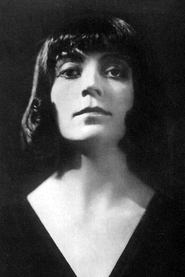
Film star Ruth Breton is a celebrated prima donna whose life is driven as much by romantic impulse as by artistic vanity. While she is involved with Walter, she becomes fascinated by the aristocratic Von Zornhorst, only to discover that his interest is shallow and temporary. When Zornhorst casts her aside, Ruth is left emotionally devastated and sinks into melancholy, her public glamour contrasting sharply with her private misery. In an effort to comfort her and win back her affection, Walter writes a stage play for Ruth, giving her a final opportunity to shine. During the climactic performance of "Pierrot's Death," Ruth is so consumed by the tragedy of the role and by her own emotional collapse that she dies onstage, bringing her story to a fatal and tragic end.

About the Production

Release Date 1913
Production Nordisk Films Kompagni
Filmed In Denmark

The film was produced during the early Danish silent era, when Nordisk Films Kompagni was one of Europe’s most influential production companies and Urban Gad was closely associated with the international rise of Asta Nielsen. As with many films from 1913, precise surviving production records are limited, so budgetary details, exact shooting locations, and studio logistics are not reliably documented in widely available sources. The film’s construction reflects the period’s emphasis on star-centered melodrama, with Asta Nielsen’s image as a modern, emotionally complex screen personality at the center of the narrative. Its theatrical-within-the-film structure, culminating in a stage performance, is characteristic of early cinema’s fascination with performance, celebrity, and the boundary between life and art.

Historical Background

The Film Prima Donna was produced in 1913, at the height of the European silent cinema boom and just before World War I would dramatically reshape the film industries of the continent. Denmark, though a small nation, had become an international leader in film production through companies such as Nordisk, whose films circulated broadly throughout Europe and beyond. This was also the era when screen acting was becoming recognized as a distinct art form, and Asta Nielsen’s fame helped define the modern film star as a figure of both mass popularity and psychological complexity. The film reflects early twentieth-century anxieties and fascinations surrounding female independence, public celebrity, romantic freedom, and the instability of identity between stage and real life. As a historical artifact, it is important for showing how silent cinema was already exploring meta-theatrical storytelling and the emotional costs of performance culture.

Why This Film Matters

The film matters most as part of the Asta Nielsen-Urban Gad collaboration that helped establish the expressive possibilities of screen melodrama and the international appeal of the female star vehicle. It contributes to the history of early celebrity cinema by centering a famous performer playing a famous performer, turning fame itself into the subject of the drama. Nielsen’s performances in this period were influential in shifting cinematic acting toward a subtler, more emotionally nuanced style, and films like this helped legitimize the idea that film could sustain serious psychological characterization. The work also stands as part of Denmark’s major contribution to early world cinema, a contribution often overshadowed in popular histories by later Hollywood dominance. For film historians, it is significant as an example of early 1910s melodrama that combines theatricality, romance, and self-conscious commentary on stardom.

Making Of

The film was made at a moment when Urban Gad and Asta Nielsen were among the most important creative forces in European silent cinema. Their collaborations frequently centered on women whose desires, ambitions, and emotional lives were given dramatic seriousness unusual for the period. This production likely drew on Nordisk’s efficient studio system, but surviving documentation does not provide a full account of shooting schedules, set construction, or censorship issues. What is clear is that the film was designed as a showcase for Nielsen’s star persona, combining melodrama with a performance-centered narrative that allowed her to play both a public celebrity and a privately wounded woman. The final-act stage death is emblematic of early silent film’s tendency to merge theatrical spectacle with cinematic emotional excess.

Visual Style

The film’s cinematography would have followed the elegant, stage-informed visual grammar common to Nordisk productions of the period, with careful framing that highlighted performers’ gestures and emotional reactions. Early Danish films often used relatively clean compositions, strong tableau staging, and measured camera placement to preserve dramatic clarity. In a film built around a stage performance, visual emphasis likely fell on the distinction between offstage intimacy and onstage spectacle, allowing the camera to observe the heroine’s emotional deterioration through performance cues rather than rapid cutting. Even without detailed shot-by-shot records, the film can be understood as part of the period’s transition from purely theatrical presentation to a more cinematic treatment of private feeling and psychological drama.

Innovations

The film is not known for radical technical innovation, but it is notable for its use of star-centered melodramatic construction and its play-within-a-film premise. Its structure exploits the expressive potential of silent acting, allowing emotional transformation to be communicated through gesture, pose, and escalating dramatic action. The climactic stage-death sequence likely provided a strong example of early cinema’s ability to create layered performance spaces, with the heroine dying both as character and as actress. In historical terms, its craftsmanship belongs to the polished Nordisk style that helped standardize high-quality European feature production before the First World War.

Music

As a 1913 silent film, it originally had no synchronized recorded soundtrack. It would have been accompanied in theaters by live music, typically a pianist, organist, or small ensemble depending on venue and region, with accompaniment tailored to the mood of the melodrama. No original cue sheet or definitive surviving score is widely documented in accessible sources. Any modern screenings would generally use archival accompaniment, improvised music, or a commissioned restoration score if an extant print were shown.

Memorable Scenes

  • Ruth Breton’s public identity as a glamorous film star contrasted with her private emotional collapse.
  • The scene in which Walter writes a stage play for Ruth as a romantic gesture and attempt at redemption.
  • The final performance of "Pierrot's Death," where the heroine dies during the climactic onstage moment.

Did You Know?

  • The film is also known by the Danish title "Filmprinsessen" in some references, reflecting translation and cataloging differences across archival sources.
  • It stars Asta Nielsen, one of the most famous silent-era actresses in Europe and an international screen icon long before the Hollywood star system fully solidified.
  • Urban Gad directed many of Nielsen’s most important early films and is often credited with helping shape her screen persona as a modern, psychologically expressive woman.
  • The story is a classic early cinema melodrama built around jealousy, performance, and the destructive effects of fame and romantic obsession.
  • The film is notable for placing a female performer at the center of a narrative about celebrity, theatrical self-display, and emotional vulnerability.
  • Because many surviving records from 1913 are incomplete, exact contemporary reviews and detailed production notes are scarce compared with later films.
  • The film belongs to the period when Nordisk was distributing Danish films widely across Europe, helping establish Denmark as a major silent-film exporter.
  • Its plot device of a play within the film mirrors early cinema’s interest in adapting stage conventions while also exploring the expressive possibilities of film acting.
  • Asta Nielsen’s performance style in these films helped move screen acting away from exaggerated pantomime toward a more restrained and psychologically suggestive mode.
  • The film survives in film-historical memory largely because of the importance of Nielsen and Gad, even though it is less widely seen today than their most famous collaborations.

What Critics Said

Contemporary critical reaction is not well documented in widely accessible English-language sources, but the film emerged in an era when Asta Nielsen’s films were generally treated as major prestige attractions on the European market. In retrospect, the film is valued primarily for its historical importance rather than for widespread modern viewership, since many early silent films are difficult to access and some survive only in limited archival form. Modern critics and historians tend to evaluate it within the broader body of Nielsen and Gad collaborations, emphasizing the evolution of performance style, gender representation, and early film melodrama. Its reputation is therefore more scholarly than popular: an important surviving or documented example of early Danish star cinema rather than a household-title classic.

What Audiences Thought

Specific audience data from 1913 is unavailable, but the film was made for a market that strongly responded to Asta Nielsen’s star power and to emotionally charged melodramas. Nielsen was an international draw, and films featuring her were often successful because audiences were fascinated by her modern screen presence and her willingness to play flawed, passionate women. Today, general audiences are unlikely to know the film unless they are interested in silent cinema, Danish film history, or Nielsen’s career. Among silent-film enthusiasts and archivists, however, it retains interest as a representative example of early star-centered drama.

Film Connections

Influenced By

  • Stage melodrama and boulevard theater traditions
  • Early Danish star vehicles built around Asta Nielsen
  • Urban Gad's own earlier silent melodramas
  • Contemporary theatrical narratives about actresses and performers

This Film Influenced

  • Later silent melodramas centered on actresses and divas
  • Self-reflexive performance films about fame and the stage
  • European star vehicles that foreground psychological realism

Film Restoration

The film is an early silent-era title whose survival status is not consistently documented in general reference sources. It is best treated as an archival film with limited availability, likely preserved in specialized film archives or held in incomplete form, but not widely circulated in commercial distribution. No mainstream restoration campaign is widely known from readily accessible sources.

Themes & Topics

silent filmmelodramaactress heroinelove triangletheater within filmfatal performance