
Fred Immler
Actor
Born: December 20, 1880 in Gotha, German Empire Died: February 20, 1965 Active: 1914-1923 Birth Name: Friedrich Immler
Films
6 films

About Fred Immler
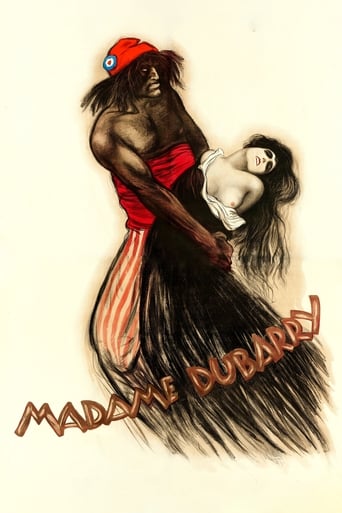
Fred Immler, born Friedrich Immler, was a prominent German character actor of the silent film era who enjoyed a productive career during the golden age of German cinema. He began his acting career on the stage before transitioning to the burgeoning film industry around 1913-1914, quickly establishing himself as a reliable supporting actor in German productions. Immler worked with some of the most significant directors of the period, including Ernst Lubitsch, appearing in the internationally acclaimed 'Madame DuBarry' (1919) which helped launch German cinema onto the world stage. Throughout the 1910s and early 1920s, he appeared in numerous films, often portraying authority figures, aristocrats, or professional men, bringing a dignified presence to his roles. His film roughly a decade, with his most prolific period being between 1914 and 1923, during which he appeared in approximately 30-40 films. As the German film industry evolved and sound cinema emerged, Immler's screen appearances became less frequent, and he eventually retired from acting. He spent his later years in Berlin, living through the dramatic changes in German society and cinema until his death in 1965.
The Craft
On Screen
Immler was known for his dignified and restrained acting style typical of German silent cinema, often portraying authority figures with gravitas and professionalism. His performances were characterized by subtle facial expressions and controlled gestures, avoiding the exaggerated melodramatic style common in early silent films. He brought a naturalistic quality to his roles, particularly effective in costume dramas and historical films where his commanding presence suited aristocratic or professional characters.
Milestones
- Stage debut in early 1900s
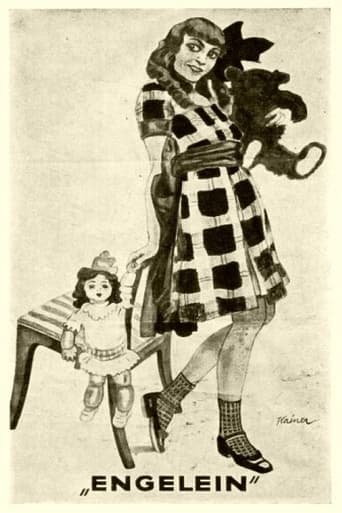
- Film debut in 'Little Angel' (1914)
- Breakthrough role in 'Madame DuBarry' (1919)
- Collaboration with director Ernst Lubitsch
- Multiple supporting roles in German silent films throughout the 1910s and early 1920s
Best Known For
Iconic Roles
Must-See Films
Accolades
Special Recognition
- Recognized as a significant contributor to German silent cinema era
Working Relationships
Worked Often With
Studios
Why They Matter
Impact on Culture
Fred Immler contributed to the golden age of German silent cinema during a period when German films were gaining international recognition and artistic acclaim. His work in films like 'Madame DuBarry' helped establish German cinema's reputation for sophisticated costume dramas and historical epics that would influence filmmakers worldwide. As part of the ensemble casts that defined this era, he represented the professionalization of film acting in Germany, transitioning from theatrical traditions to a more cinematic style of performance. His presence in numerous productions of the 1910s and early 1920s makes him part of the foundation upon which German cinema's international reputation was built, particularly during the Weimar period when German films were at the forefront of artistic innovation.
Lasting Legacy
Fred Immler's legacy lies in his contribution to the German silent cinema, particularly during its most creative and internationally influential period. While not a star whose name is widely remembered today, his body of work represents the quality and depth of supporting performances that elevated German films of the era. His collaborations with directors like Ernst Lubitsch place him within the historical context of cinema's artistic development. Film historians and silent cinema enthusiasts recognize him as part of the ensemble that made German silent films some of the most artistically significant works of early cinema, with his performances preserved as examples of the sophisticated acting style that characterized this golden age of German filmmaking.
Who They Inspired
As a character actor rather than a leading star, Fred Immler's direct influence on subsequent generations of actors was primarily through the example of his professional approach to supporting roles. His work demonstrated the importance of strong ensemble performances in creating cohesive and powerful films, a lesson that resonated throughout film history. The naturalistic style he brought to his roles, avoiding the excesses common in early silent cinema, contributed to the evolution of more subtle and psychologically nuanced acting in film. His performances in historical costume dramas helped establish conventions for portraying authority figures in period films that would influence actors for decades to come.
Off Screen
Fred Immler maintained a relatively private personal life throughout his career in the German film industry. Born in Gotha, he moved to Berlin to pursue his acting career, which was common for aspiring performers in the German Empire. He lived through the tumultuous period of German history, including World War I, the Weimar Republic, the Nazi era, and post-war Germany. Details about his family life and relationships remain largely undocumented in historical records, which was not uncommon for character actors of his era who often lived outside the spotlight of stardom.
Education
Classical theatrical training in early 1900s Germany, likely at a state-sponsored theater academy or through apprenticeship with theater companies
Family
- Information not publicly documented
Did You Know?
- Born Friedrich Immler but used Fred Immler professionally
- Appeared in over 30 films during his decade-long career
- Worked during the peak of German Expressionism in cinema
- His most famous film 'Madame DuBarry' was a major international success that helped launch Pola Negri's Hollywood career
- Survived both World Wars and lived through three different German governments
- Career coincided with the transition from short films to feature-length cinema
- Often typecast as aristocrats, military officers, or government officials due to his dignified appearance
- Part of the first generation of actors to work primarily in film rather than transitioning from stage
- His film career ended just as sound cinema was emerging in Germany
- Lived to age 84, outliving most of his contemporaries from the silent era
In Their Own Words
No documented famous quotes, as was common for character actors of the silent era who rarely gave interviews or had their words preserved in print
Frequently Asked Questions
Who was Fred Immler?
German character with credits in this catalog. He appeared in numerous German productions, often playing supporting roles as authority figures, and worked with notable directors including Ernst Lubitsch.
What films is Fred Immler best known for?
Titles linked here include Madame DuBarry (1919), Little Angel (1914).
When was Fred Immler born and when did he die?
Born December 20, 1880; died February 20, 1965.
What awards did Fred Immler win?
There are no documented major awards or nominations for Fred Immler, which was common for character actors of the silent era who often worked without formal recognition despite their significant contributions to films.
What was Fred Immler's acting style?
Fred Immler was known for his dignified and restrained acting style, avoiding the exaggerated melodramatic approach common in early silent films. He brought naturalism and subtlety to his roles, particularly effective in portraying authority figures with gravitas and professionalism.
Did Fred Immler work in sound films?
Fred Immler's film career largely ended before the transition to sound cinema in Germany, with his most active period being from 1914 to 1923. He retired from acting just as sound films were emerging in the late 1920s.
How did Fred Immler contribute to German cinema?
Fred Immler contributed to German cinema's golden age by providing reliable, professional supporting performances in numerous silent films that helped establish Germany's international reputation for sophisticated cinema. His work with directors like Ernst Lubitsch placed him at the forefront of German cinema's most artistically significant period.