The Suffragette
Plot
Nelly is drawn into the women’s suffrage movement after her mother, an ardent activist, persuades her that the struggle for voting rights is a moral cause worth fighting for. As the women’s campaign grows more militant, Nelly becomes involved in a daring plan that places her at the center of a political attack on Lord William. The plot takes a melodramatic turn when a bomb is hidden under Lord William’s chair, but the encounter unexpectedly shifts from confrontation to romance as love develops between Nelly and the aristocrat. The film blends political agitation, social reform drama, and sentimental romance, using the suffrage struggle as the backdrop for a story about class, gender, and personal transformation. Its narrative reflects the era’s fascination with controversial social issues presented through emotionally heightened, morally legible storytelling.
About the Production
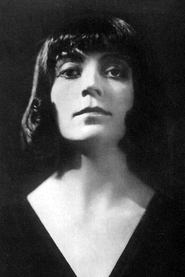
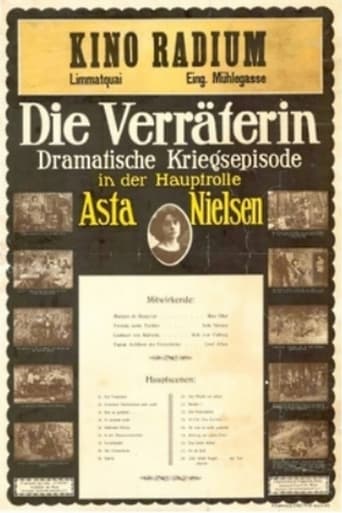
The film was directed by Urban Gad and stars Asta Nielsen, one of the most internationally famous screen performers of the early 1910s. It was made during the silent era when politically topical melodramas were often mounted quickly and economically, and surviving documentation on exact production circumstances is limited. Like many films associated with Nielsen and Gad, it was designed to showcase the actress’s expressive physical style and star persona, which often foregrounded modern, independent women navigating social conflict. The film’s suffrage theme was unusually timely for 1913, when women’s voting rights were still a fiercely debated issue in Europe, and its combination of political activism with romance suggests an attempt to reach broad audiences rather than present a purely didactic message.
Historical Background
The film was made in 1913, during a pivotal moment in the women’s suffrage movement across Europe and North America. In several countries the campaign for voting rights was intensifying, and suffragettes were frequently covered in newspapers as both heroic reformers and threatening agitators, depending on the outlet. Cinema of the period often absorbed contemporary social anxieties, and this film reflects how women's political activism had become a subject dramatic enough for mainstream entertainment. It also emerged during the growth of international silent film culture, when Scandinavian cinema, and especially the work of Asta Nielsen, had a strong reputation for sophisticated acting and modern subject matter. As a result, the film is historically important not just as a suffrage story, but as part of the broader early cinema conversation about modern womanhood, politics, and mass culture.
Why This Film Matters
The Suffragette is significant as an early cinematic engagement with women’s political rights at a time when the issue was still controversial and unresolved. By framing suffrage within a melodramatic narrative, the film helped translate a real political movement into a form accessible to popular audiences, even if it softened or sensationalized the politics. Asta Nielsen’s participation also matters culturally, since she was one of the most influential screen actresses of the silent era and often portrayed women whose independence challenged conventional norms. The film contributes to the history of feminist representation in cinema by showing that women’s activism was visible on screen decades before later waves of feminist filmmaking. It also illustrates how early film could simultaneously exploit and normalize new ideas about female agency, making it an important artifact of both cinema history and social history.
Making Of
The Suffragette belongs to the period when Urban Gad and Asta Nielsen were working together on films that emphasized psychologically charged, socially modern heroines. Nielsen’s fame depended in part on roles that departed from passive Victorian femininity, and this production fits that pattern by placing a woman at the center of political action and romantic complication. As with many productions from the 1910s, especially those made by European companies outside the better-documented Hollywood studio system, detailed records of rehearsals, set construction, and shooting schedules are scarce. The film’s subject matter suggests that the filmmakers were responding to current public debates about women’s rights, using melodrama and topicality to create a commercially viable story. Its blend of agitation, danger, and romance indicates a production strategy aimed at giving audiences both social relevance and emotional payoff.
Visual Style
As a silent Scandinavian production of the early 1910s, the film likely relied on relatively static but carefully composed framing, expressive acting, and clear visual storytelling rather than rapid cutting. Urban Gad’s films with Asta Nielsen were known for emphasizing facial expression and body language, allowing emotional and political conflict to register through performance. The visual style would have been shaped by the conventions of the period: studio and controlled-location setups, strong attention to costume and gesture, and straightforward continuity designed for readability in silent exhibition. Any surviving copies or descriptions suggest a melodramatic visual approach rather than technical experimentation for its own sake.
Innovations
The film does not appear to be associated with major technical innovations, but it is notable for its early use of topical social commentary within the conventions of silent melodrama. Its achievement lies more in synthesis than invention: it combines political subject matter, star-centered performance, and narrative suspense in a format accessible to broad audiences. As a Scandinavian silent production, it also represents the polished visual storytelling that helped the region’s cinema gain international prestige in the early 1910s. The film’s survival value for historians is tied to its thematic boldness and to the prominence of its creative team rather than to any single groundbreaking technical device.
Music
As a silent film, The Suffragette did not have an original synchronized soundtrack. Like most films of the period, it would have been accompanied in exhibition by live music chosen by the theater, often improvised or assembled from stock cues, with the exact accompaniment varying by venue and country. No universally documented original score survives with the film in the way later sound-era music would. Contemporary screenings may have used piano, small ensemble, or organ accompaniment depending on the exhibition context.
Memorable Scenes
- Nelly being persuaded by her suffragette mother to join the political cause, establishing the film's conflict between domestic ties and activism.
- The tense moment in which a bomb is placed under Lord William's chair, turning the suffrage plot into a suspense sequence.
- The romantic reversal where the confrontation between Nelly and Lord William unexpectedly gives way to love, a classic melodramatic turn.
- Scenes that contrast militant political energy with aristocratic refinement, visually underscoring the film’s class and gender tensions.
Did You Know?
- The film is associated with Asta Nielsen, one of the first major international film stars and a key figure in early screen acting.
- Despite the title, the story is not only about politics; it mixes suffrage activism with a melodramatic romance plot, a common strategy in early cinema to broaden appeal.
- Urban Gad directed many of Nielsen’s most important early films, and their collaborations were influential in shaping modern acting for the screen.
- The film was made at a time when suffrage activism was a highly visible public issue across Europe, giving the story immediate contemporary relevance.
- Silent-era political films often survive only in fragmentary records, and detailed production data such as budget and box office is generally unavailable for this title.
- The movie reflects early 1910s fascination with the so-called 'new woman' figure: independent, politically conscious, and socially disruptive.
- Its plot device involving a bomb under a chair is typical of the sensationalist melodrama used in many early social issue films.
- This title is one of several early European productions that used women's rights as a dramatic subject long before suffrage became a standard historical topic in cinema.
- Because it is a silent film, contemporary performances would have relied heavily on visual expressiveness, gesture, and intertitles to communicate political conflict and emotional shifts.
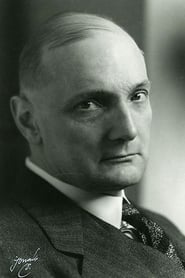
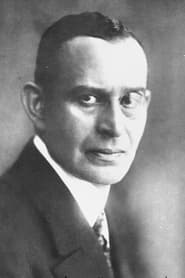
- The film’s cast includes Max Landa and Mary Scheller, both associated with early European screen production during the silent era.
What Critics Said
Contemporary critical documentation is limited, but the film would have been viewed within the early 1910s context of serialized melodrama, star vehicles, and socially topical subjects. Reviews from the era for Asta Nielsen and Urban Gad collaborations often praised Nielsen’s intense, modern screen presence and the emotional immediacy of the films. Modern scholars tend to view the title as valuable for its intersection of suffrage politics, star performance, and early European film style, though it is not among the most widely discussed silent films in general circulation. Its reputation today depends largely on archival interest, film history scholarship, and the continuing importance of Nielsen as a pioneer of screen acting.
What Audiences Thought
Audience reception cannot be measured precisely because surviving box-office data and widespread exhibition records are lacking. However, the combination of topical politics, romance, and a major star would likely have made it attractive to contemporary viewers familiar with Asta Nielsen’s work. Early audiences often responded strongly to films that dramatized current social issues, especially when those issues were packaged with suspense and melodrama. The title’s enduring interest among film historians suggests that it has remained notable more as a cultural artifact and star vehicle than as a mass-recalled popular favorite.
Film Connections
Influenced By
- Contemporary suffrage movement journalism and public debate
- Stage melodrama traditions
- Early European social problem films
- Asta Nielsen's star persona and modern-woman roles
This Film Influenced
- Later suffrage dramas and feminist historical films
- Early social issue melodramas featuring politically active women
- Silent-era star vehicles built around independent heroines
You Might Also Like
More Drama Films
View allMore from Urban Gad
View allFilm Restoration
The film is believed to survive in archival form, though detailed public information about the completeness and condition of extant elements is limited. It is not generally regarded as a lost film in standard film-historical references, but access may depend on archive holdings and restoration status. Any available prints or copies are of special interest because early Asta Nielsen films are important to silent cinema preservation and scholarship.