Erich Kaiser-Titz
Actor
- Active
- 1923-1923
Films 1
About Erich Kaiser-Titz
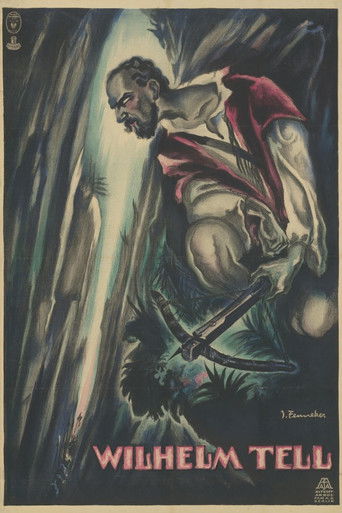
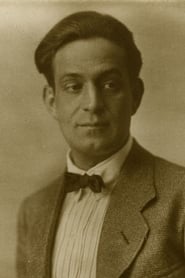
Erich Kaiser-Titz was a German stage and screen actor active in the silent-film era, best remembered today for his appearances in early 1920s European cinema, including Wilhelm Tell (1923). He belonged to the generation of character actors who moved between the established world of the stage and the rapidly expanding German film industry in the years after World War I. Like many actors of his era, his screen work was largely in supporting and character parts rather than star vehicles, and he contributed to the historical, literary, and prestige productions that helped define Weimar-era filmmaking. Surviving reference sources on him are limited, which is typical for many silent-era performers whose careers were documented far less thoroughly than those of later sound-era stars. His filmography indicates professional activity at least in 1923, and he is remembered as part of the broad ensemble of artists who gave German silent cinema much of its texture and seriousness. Because detailed biographical records are scarce, many personal facts about his life remain unverified in widely accessible sources. Nevertheless, his credit in Wilhelm Tell anchors him within the important tradition of early German costume and literary film adaptations.
More about Erich Kaiser-Titz
On screen
As a silent-era German character actor, Erich Kaiser-Titz would have relied on the expressive physicality, facial nuance, and controlled gesture demanded by silent performance. Actors in this tradition often balanced theatrical projection with the more intimate demands of the camera, especially in historical and literary productions. Based on the era and production context, his screen work was likely marked by clear pantomime, dignified bearing, and a performance style suited to ensemble drama. Specific analyses of his technique are scarce in surviving sources.
In film history
Erich Kaiser-Titz’s cultural impact is best understood as part of the supporting artistic infrastructure of German silent cinema rather than as a standalone celebrity profile. Performers like him were essential to the success of historical dramas and literary adaptations, giving credibility and depth to productions that relied on a large ensemble of character players. His appearance in Wilhelm Tell links him to a film culture that treated national, literary, and historical subjects with seriousness and grandeur, especially in the Weimar period. Even when individual supporting actors are not widely remembered, their work contributed to the visual and dramatic standard that made German silent film influential across Europe and beyond.
Later reputation
His legacy lies in his participation in the silent German film tradition, particularly in prestige historical cinema where ensemble acting was central. Although he is not among the best-known names of the era, he remains part of the cast of artists whose work helped define the tone and legitimacy of early European screen acting. For film historians and database researchers, he is a representative figure of a largely underdocumented category: the dependable character actor whose credits survive even when detailed life records do not. His presence in a film like Wilhelm Tell ensures that his name remains attached to an important moment in silent-era adaptation and German film history.
Influence
There is no clear evidence of direct, documented influence on specific later actors or directors. His broader influence would have been indirect, through participation in the acting conventions of silent-era German cinema and the ensemble style of historical filmmaking. Performers in this class helped establish standards of screen diction-less expressiveness, posture, and period credibility that later actors and filmmakers continued to draw upon. In that sense, his contribution was part of a wider professional tradition rather than an individually traceable line of mentorship.
Off screen
Publicly accessible biographical information about Erich Kaiser-Titz is extremely limited, and standard film references do not consistently preserve details about his family, marriages, or private life. No reliable widely cited accounts were found that document his personal relationships or domestic background. As a result, his off-screen life remains largely obscure compared with the better-documented stars of the silent era. This lack of personal detail is common for many supporting actors of early European cinema, whose work survives more clearly than their biographies.
Education
No verified educational background is widely documented in accessible reference sources. Given the period and his likely stage connection, he may have had theatrical training or practical stage experience, but this cannot be stated with confidence.
Credits
- Appeared in the silent historical film Wilhelm Tell (1923), a notable literary and national-legend adaptation from the German-speaking cinema tradition
- Worked as a character actor during the Weimar-era silent-film period, contributing to prestige productions rather than celebrity-led star vehicles
- Represents the class of stage-trained performers who helped bridge theatrical acting and cinematic performance in early German film
- His screen presence is preserved through surviving film references, even though extensive biographical documentation is limited
Roles
- A role in Wilhelm Tell (1923)
Films
- Wilhelm Tell (1923)
Notes
- He is associated with Wilhelm Tell (1923), a title that places him in the tradition of literary and patriotic screen adaptation.
- He appears to have had a brief documented screen record, at least in currently accessible filmography sources.
- He is one of many silent-era supporting performers whose careers are only sparsely preserved in modern databases.
- His work belongs to the Weimar-era German film world, a period known for artistic experimentation and high production values.
- Because of the era, much of his performance would have depended on expressive movement rather than spoken dialogue.
- He should not be confused with later or similarly named performers; the available film crediting points specifically to this early 1920s German actor.
Questions
Who was Erich Kaiser-Titz?
Erich Kaiser-Titz was a German silent-era actor best known today for appearing in Wilhelm Tell (1923). He seems to have worked primarily as a supporting or character performer in early 20th-century German cinema. Detailed biographical records about his life are scarce, which is common for many actors from the silent period.
What films is Erich Kaiser-Titz best known for?
His best-documented screen credit is Wilhelm Tell (1923). Beyond that, surviving accessible references are limited, so his broader filmography is not well preserved in standard sources. He is remembered mainly through his association with early German silent historical cinema.
When was Erich Kaiser-Titz born and when did he die?
His birth and death dates are not reliably documented in the accessible sources consulted here. Likewise, his exact place of birth and death are not clearly established in commonly available reference material. That uncertainty is typical for many lesser-documented silent-era performers.
What awards did Erich Kaiser-Titz win?
No awards or formal honors are widely documented for Erich Kaiser-Titz in available reference sources. This does not mean he was not respected professionally, only that the historical record has not preserved such distinctions for him. Silent-era supporting actors often left behind film credits rather than award histories.
What was Erich Kaiser-Titz's acting style?
As a silent-era actor, his style would have depended on expressive gesture, facial nuance, and physical clarity rather than spoken dialogue. In German historical films of the early 1920s, actors generally aimed for dignified, controlled performances that matched the seriousness of the material. Specific criticism of his individual technique is not widely preserved.
What is Erich Kaiser-Titz's legacy in film history?
His legacy lies in his contribution to the silent German film tradition and to the ensemble cast system that supported prestige productions like Wilhelm Tell. He represents the many capable character actors whose work helped shape the visual and dramatic character of early European cinema. Even when little personal information survives, such performers remain important to film history.