Films
1 film
About Emmy Wyda
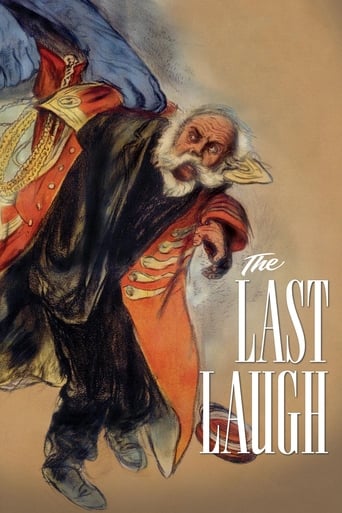
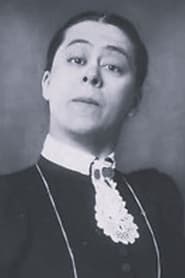
German actress who worked during the silent film era, primarily known for her brief but memorable appearance in F.W. Murnau's masterpiece 'The Last Laugh' (1924). Her career appears to have been exceptionally short, with most historical records indicating that 1924 was her only active year in cinema. As a character actress during the height of German Expressionism, she contributed to films of the silent era. Her role, though small, was part of the ensemble that brought to life Murnau's innovative storytelling techniques. Like many supporting actors of the period, her legacy is preserved primarily through her participation in this landmark film. The limited documentation of her career suggests she may have been a stage actress who briefly ventured into film or someone who left the industry shortly after her debut. Her contribution to 'The Last Laugh' represents her entire known filmography, making her a fascinating example of the many talented performers who briefly graced the silver screen during cinema's formative years.
The Craft
On Screen
As a character actress in German Expressionist cinema, Wyda likely employed the exaggerated yet nuanced performance style characteristic of the era, using facial expressions and body language to convey emotion without dialogue
Milestones
- Appeared in F.W. Murnau's 'The Last Laugh' (1924)
- Participated during the golden age of German Expressionist cinema
- Contributed to
Best Known For
Iconic Roles
Must-See Films
Working Relationships
Worked Often With
Studios
Why They Matter
Impact on Culture
Emmy Wyda's cultural impact is primarily tied to her participation in 'The Last Laugh,'. Although her role was small, she contributed to a film that revolutionized cinematic language through its innovative camera movements, lack of intertitles, and psychological depth. The film itself had enormous influence on international cinema, particularly in its use of subjective camera techniques and visual storytelling. As part of this landmark production, Wyda's work, however brief, is preserved in film history as part of a masterpiece that influenced generations of filmmakers from Alfred Hitchcock to modern auteurs.
Lasting Legacy
Emmy Wyda's legacy exists primarily through her association with one of cinema's most important early works. While she may not have achieved lasting fame as an individual performer, her contribution to 'The Last Laugh' ensures her place in film history. The film continues to be studied and celebrated worldwide, meaning that her performance, however small, continues to be seen by new generations of film enthusiasts and scholars. She represents the countless talented supporting actors who helped create the masterpieces of early cinema, even if their names are not widely remembered today.
Who They Inspired
Due to the limited scope of her known film work, Emmy Wyda's direct influence on other performers or filmmakers is difficult to trace. However, her participation in a film that was hugely influential on cinematic technique means she was part of a production that shaped the future of film language. The innovative techniques used in 'The Last Laugh' influenced countless directors and cinematographers, and by extension, the actors who worked in films that followed in its wake.
Off Screen
Very little is documented about Emmy Wyda's personal life, which is typical for many supporting actors of the silent era who were not major stars. The lack of extensive biographical information suggests she may have had a brief career in film or primarily worked in other theatrical mediums.
Did You Know?
- Appeared in only one known film during her entire career
- Worked with director F.W. Murnau during his peak creative period
- Participated in a film that was revolutionary for its lack of intertitles
- Her film 'The Last Laugh' was selected for preservation in the National Film Registry
- The film she appeared in was highly influential on Alfred Hitchcock's early work
- Worked during the height of the German Expressionist movement
- Her entire known filmography consists of a single year of work
- The film she appeared in is considered one of the greatest silent films ever made
Frequently Asked Questions
Who was Emmy Wyda?
German actress from the silent film era, known exclusively for her appearance in F.W. Murnau's 1924 masterpiece 'The Last Laugh.' Her career appears to have been exceptionally brief, with 1924 being her only documented year of activity in cinema.
What films is Emmy Wyda best known for?
Titles linked here include The Last Laugh (1924).
When was Emmy Wyda born and when did she die?
Specific birth and death dates for Emmy Wyda are not documented in available historical records. Based on her appearance in a 1924 film, she was likely born in the late 19th century, but exact dates remain unknown.
What awards did Emmy Wyda win?
There are no documented awards or nominations for Emmy Wyda, which is typical for many supporting actors of the silent era, especially those with very brief careers. However, the film she appeared in, 'The Last Laugh,' has received numerous accolades over the decades.
What was Emmy Wyda's acting style?
As an actress in German Expressionist cinema, Wyda likely employed the characteristic style of the era, using exaggerated facial expressions and body language to convey emotion without dialogue. This was the standard acting approach in silent films before the advent of sound.
Why is Emmy Wyda significant in film history?
Despite her brief career, Emmy Wyda is significant because she participated in 'The Last Laugh,'. The film revolutionized cinematic technique and continues to influence filmmakers today.