
Films
2 films
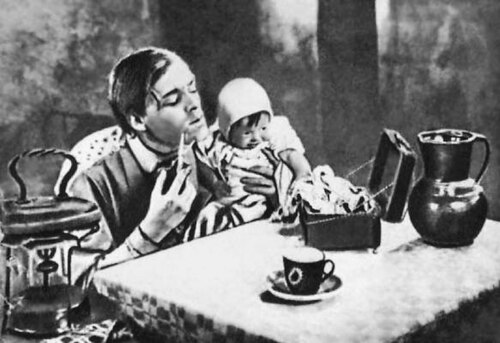
About Viktor Portnov
Soviet actor active during the late silent film era of the 1920s. His career, though brief, coincided with a pivotal period in Soviet cinema when experimental filmmaking techniques were being developed and refined. Portnov appeared in two notable films of this era: 'House in the Snow-Drifts' (1928) and the acclaimed 'Fragment of an Empire' (1929), which is considered one of the masterpieces of Soviet silent cinema. Like many actors of his generation, Portnov's career was likely impacted by the transition to sound films in the early 1930s and the changing political landscape of the Soviet Union. His performances, though in supporting roles, contributed to the Soviet cinematic art during its formative years. The limited documentation of his career suggests he may have been primarily a character actor or someone who left the film industry relatively early.
The Craft
Milestones
- Appeared in 'House in the Snow-Drifts' (1928)
- Acted in the acclaimed Soviet film 'Fragment of an Empire' (1929)
Best Known For
Must-See Films
Working Relationships
Worked Often With
Studios
Why They Matter
Impact on Culture
Viktor Portnov's contribution to Soviet cinema, while not extensively documented, represents the collective work of numerous actors who helped establish the foundation of Soviet film art during its most experimental and politically charged period. His participation in 'Fragment of an Empire,' a film that exemplifies Soviet montage theory and revolutionary themes, places him within the context of one of cinema's most historically significant movements. The film itself is studied in film schools worldwide as an example of early Soviet cinematic excellence, and all who contributed to it, including Portnov, are part of this important cultural legacy.
Lasting Legacy
Viktor Portnov's legacy is preserved through his contributions to two significant Soviet films from the late 1920s. While detailed information about his life and career is scarce, his work remains accessible through these surviving examples of Soviet silent cinema. 'Fragment of an Empire' in particular continues to be screened at film festivals and studied by cinema historians, ensuring that Portnov's performances, however brief, remain part of the historical record of Soviet film achievements.
Who They Inspired
Given the limited scope of Portnov's documented career, there is insufficient information to determine his direct influence on other actors or filmmakers. However, as a participant in the Soviet film industry during its formative years, he was part of a generation that helped establish acting techniques and approaches specific to Soviet cinema's ideological and artistic requirements.
Off Screen
Very limited information is available about Viktor Portnov's personal life, which is common for many Soviet actors from the silent era who had brief careers or worked primarily in supporting roles.
Did You Know?
- Appeared in films during the transition period between silent and sound cinema
- Worked during
- His film 'Fragment of an Empire' is considered a masterpiece of Soviet silent cinema
- Like many Soviet actors of his era, detailed biographical information is scarce
- His active years covered only two known films, suggesting either a brief career or incomplete documentation
- Participated in the Soviet film industry during a time of significant political and artistic change
Frequently Asked Questions
Who was Viktor Portnov?
Screen credits include two notable silent films: 'House in the Snow-Drifts' (1928) and 'Fragment of an Empire' (1929). His career was brief but coincided with a golden age of Soviet cinema.
What films is Viktor Portnov best known for?
Titles linked here include Fragment of an Empire (1929), House in the Snow-Drifts (1928).
When was Viktor Portnov active in films?
Viktor Portnov's known film active years covered from 1928 to 1929, placing him at the end of the silent film era and the beginning of the transition to sound cinema in the Soviet Union.
What was Viktor Portnov's contribution to Soviet cinema?
Portnov contributed to Soviet cinema as an actor during one of its most innovative periods, participating in films that exemplified Soviet artistic and ideological approaches to filmmaking, particularly in the acclaimed 'Fragment of an Empire'.
Why is there limited information about Viktor Portnov?
Limited information about Viktor Portnov is typical for many Soviet actors from the silent era, especially those with brief careers or who worked in supporting roles. Historical records from this period are often incomplete, and many actors' biographies were not thoroughly documented.
What is 'Fragment of an Empire' and why is it significant?
'Fragment of an Empire' (1929) is a Soviet silent film directed by Friedrich Ermler that tells the story of a soldier with amnesia who returns to find revolutionary Russia transformed. It's considered a masterpiece of Soviet cinema and an important example of montage theory and revolutionary filmmaking.