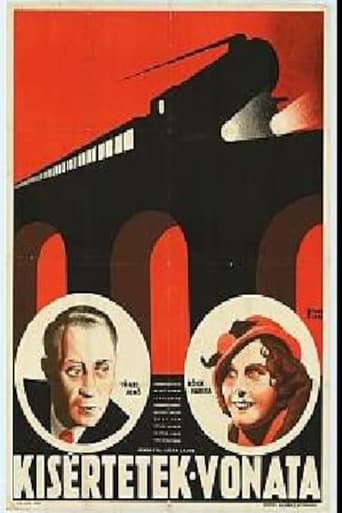
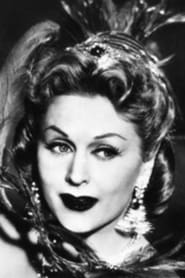
Marika Rökk
Actor
Born: November 3, 1913 in Cairo, Egypt Died: May 16, 2004 Active: 1930-1972 Birth Name: Marie Karoline Rökk
Films
1 film
About Marika Rökk
Marika Rökk was stars of German cinema during the Nazi era and post-war period, renowned for her exceptional dancing abilities and charismatic screen presence. Born in Cairo to Hungarian parents, she began her career as a dancer in Paris and London before transitioning to film in Germany. Her breakthrough came with the 1936 film 'Der Bettelstudent,' which established her as a major star in German musical cinema. Throughout the 1930s and 1940s, she became the highest-paid and most popular actress in the Third Reich, starring in lavish musical revues and romantic comedies that provided escapist entertainment. Despite her association with Nazi-era cinema, she successfully continued her career after World War II, adapting to changing times while maintaining her status as a beloved entertainer. Her over four decades, during which she appeared in more than 40 films and became an icon of German popular culture. Rökk's legacy remains complex due to her success during the Nazi period, though her artistic talents and enduring popularity are undeniable.
The Craft
On Screen
Known for her energetic and vivacious performances, Rökk specialized in musical comedy roles that showcased her exceptional dancing talents. Her acting style was characterized by a blend of charm, wit, and physical grace, often playing confident, independent women who could sing and dance with equal skill. She had a natural screen presence that made her particularly effective in revue and musical films, where her performances were both technically proficient and emotionally engaging.
Milestones
- Breakthrough role in 'Der Bettelstudent' (1936)
- Starred in 'Kora Terry' (1940)
- Appeared in 'Münchhausen' (1943)
- Post-war comeback with 'Die Csárdásfürstin' (1951)
- Television success with 'Die Fledermaus' (1960)
- Final film appearance in 'Die Zwillinge vom Zillertal' (1972)
Best Known For
Iconic Roles
Must-See Films
Accolades
Won
- Bambi Award (1948)
- Bambi Award (1968)
- Filmband in Gold for lifetime achievement (1987)
Nominated
- German Film Award nomination for 'Die Fledermaus' (1960)
Special Recognition
- Order of Merit of the Federal Republic of Germany (1987)
- Austrian Cross of Honour for Science and Art (1990)
- Honorary citizen of Baden bei Wien
Working Relationships
Worked Often With
Studios
Why They Matter
Impact on Culture
Marika Rökk became an icon of German popular culture during. Her films provided escapist entertainment for millions of Germans during the Nazi era, making her the highest-paid actress of the Third Reich. Despite the political implications of her success during this period, her talent and charisma transcended political boundaries, and she remained beloved by audiences across generations. Rökk represented a particular type of European glamour - sophisticated, talented, and resilient - that influenced the development of musical cinema in Germany and Austria. Her ability to reinvent herself after World War II demonstrated remarkable adaptability and contributed to the reconstruction of German popular culture.
Lasting Legacy
Marika Rökk's legacy is complex and multifaceted, reflecting both her extraordinary artistic achievements and the controversial historical context of her greatest success. She left an indelible mark on German-language cinema as one of its most versatile and talented performers, particularly in the musical genre. Her films continue to be studied and appreciated for their technical excellence and entertainment value, while her life story serves as a reminder of the complex relationship between art and politics. Rökk paved the way for future generations of European entertainers, demonstrating that talent and perseverance could overcome even the most challenging historical circumstances.
Who They Inspired
Rökk influenced generations of German and Austrian performers, particularly in the musical and entertainment genres. Her combination of singing, dancing, and acting skills set a standard for versatility that many later performers aspired to emulate. She helped establish the template for the modern European musical film star and demonstrated that female performers could be both glamorous and technically accomplished. Her post-war career provided a model for other artists who had worked during the Nazi period and needed to adapt to changing cultural and political landscapes.
Off Screen
Marika Rökk led a colorful personal life marked by two significant marriages and a family deeply involved in the entertainment industry. She married director Georg Jacoby in 1940, with whom she had her daughter Gabriele Jacoby, who also became an actress. After Jacoby's death in 1964, she married Hungarian actor Fred Raul in 1968. Rökk was known for her close friendships with other European stars and maintained a relatively private personal life despite her immense public fame.
Education
Trained in dance from childhood, studied ballet and modern dance in Budapest, Paris, and London. Attended acting classes in Berlin during her early film career.
Family
- Georg Jacoby (1940-1964)
- Fred Raul (1968-1985)
Did You Know?
- Was born in Cairo, Egypt, to Hungarian parents
- Spoke fluent Hungarian, German, English, and French
- Was originally a dancer before becoming an actress
- Earned more than any other German actress during the Nazi era
- Her films were temporarily banned in East Germany after WWII
- Made a successful comeback in the 1950s with television appearances
- Was a close friend of Marlene Dietrich
- Her daughter Gabriele Jacoby also became a successful actress
- Was offered contracts by Hollywood studios but declined to stay in Europe
- Continued performing well into her 60s
- Her dancing style incorporated elements of ballet, acrobatics, and modern dance
In Their Own Words
Dancing is not just movement, it's storytelling with your body.
I never thought about politics when I made films - I just wanted to make people happy.
Success in show business requires talent, hard work, and a bit of luck.
The stage was my first love, but film allowed me to reach more people.
Even in the darkest times, entertainment has its place in bringing joy to people's lives.
Frequently Asked Questions
Who was Marika Rökk?
Hungarian-born actress, dancer, and singer who became widely known. She was particularly renowned for her work in musical films and was the highest-paid actress in Nazi Germany.
What films is Marika Rökk best known for?
Titles linked here include Der Bettelstudent (1936), Gasparone (1937).
When was Marika Rökk born and when did she die?
Born November 3, 1913; died May 16, 2004.
What awards did Marika Rökk win?
Rökk won several Bambi Awards (1948, 1968), the Filmband in Gold for lifetime achievement (1987), and received national honors including the Order of Merit of the Federal Republic of Germany and the Austrian Cross of Honour for Science and Art.
What was Marika Rökk's acting style?
Rökk was known for her energetic and vivacious performances, specializing in musical comedy that showcased her exceptional dancing talents. Her style combined charm, wit, and physical grace, often playing confident women who could sing and dance with equal skill.