
Princess Beatrice
Actor
- Born
- April 14, 1857, Buckingham Palace, London, England
- Died
- October 26, 1944
- Active
- 1896-1896
- Birth name
- Princess Beatrice Mary Victoria Feodore
Films 1
About Princess Beatrice
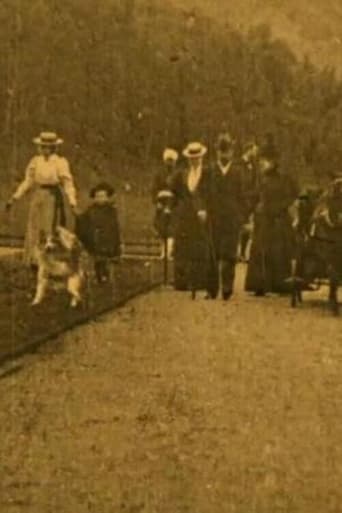
Princess Beatrice of the United Kingdom, later Princess Beatrice of Battenberg and then Princess Beatrice, Mrs. Henry Seymour, was not a professional film actor in the normal sense, but a British royal who appeared in one of the earliest surviving cinematic records of royalty. Born in 1857 as the youngest child of Queen Victoria and Prince Albert, she lived through the birth of cinema and became part of early film history through the 1896 actuality film Scenes at Balmoral, which captured members of the royal family at their Scottish residence. Her appearance belongs to the earliest period of motion-picture filmmaking, when short, unscripted views of public life and notable figures were especially significant as cultural documents rather than narrative entertainment. Because of her royal status, her screen presence was incidental and ceremonial rather than the result of an acting career, but it nevertheless makes her a figure of interest in film history as one of the earliest women of prominence to appear on film. She spent most of her life in courtly, charitable, and family duties, and her public identity was defined far more by dynastic and social roles than by the cinema. Her connection to film is therefore historically unique: she is remembered less as an actress than as a real-life person whose image entered the medium during its infancy. She died in 1944 in England, long after the film era she briefly touched at its dawn.
More about Princess Beatrice
On screen
Not applicable in the conventional sense, as Princess Beatrice was not a working performer. Her on-screen presence in early actuality footage would have been natural, formal, and unscripted, reflecting the restrained posture and ceremonial bearing expected of royalty in the late Victorian era.
In film history
Princess Beatrice's importance in cinema lies in the historical significance of her filmed presence rather than a body of performance work. Scenes at Balmoral belongs to the first wave of motion-picture footage in Britain, when filmmakers were documenting notable public life, and the inclusion of a royal family member gave the medium a powerful aura of legitimacy and fascination. As a daughter of Queen Victoria, she embodied the visible continuity of monarchy at a moment when moving images were transforming how audiences encountered famous people. Her appearance is valuable to film historians because it illustrates how early cinema circulated images of power, ceremony, and elite domestic life. In this way, she stands as both a royal subject and an early moving-image artifact.
Later reputation
Her lasting legacy in film history is tied to the survival and study of early actuality films featuring the British monarchy. Even though she was not an actress in the professional sense, her appearance in Scenes at Balmoral has made her a recurring reference point in discussions of the first generation of filmed royalty and the beginnings of non-fiction cinema. For historians of the silent era, she represents the intersection of monarchy, media, and technological modernity at the end of the Victorian age. More broadly, she is remembered as part of Queen Victoria's family and as a historical figure whose image helped define the public visibility of royalty in the age of moving pictures. Her legacy is therefore archival, cultural, and symbolic rather than performance-based.
Influence
Princess Beatrice did not influence acting technique or filmmaking as a performer would, but her filmed appearance helped establish the idea that cinema could record and authenticate the presence of eminent public figures. The attraction of seeing royalty on screen contributed to early audiences' sense that the motion picture was a new medium for historical witnessing. In that respect, her presence indirectly influenced the cultural prestige of film as a documentary and news medium. Later filmmakers and archivists have also benefited from such early recordings as reference points for costume, gesture, and ceremonial etiquette in the late 19th century.
Off screen
Princess Beatrice was the youngest child and fifth daughter of Queen Victoria and Prince Albert, and she remained especially close to her mother throughout Victoria's life. In 1885 she married Prince Henry of Battenberg, and after his death she continued her public and family responsibilities with considerable devotion. Her life was shaped by dynastic duty, private grief, and long service to the monarchy, including acting as an important family support figure and a keeper of her mother's papers and memory. She had four children, and her descendants became connected with several European royal houses. Her personal life was marked by loyalty to the royal family, careful public conduct, and a long widowhood after Prince Henry's death.
Education
She was educated privately within the royal household under the supervision of tutors and governesses, as was customary for British royalty in the Victorian era.
Credits
- Appeared in the early actuality film Scenes at Balmoral (1896), making her one of the earliest recorded royal figures on film
- Belonged to the first generation of public figures captured by motion pictures during cinema's infancy
- Played an important historical role as a living link between the Victorian era and the modern age
- Served in prominent royal and charitable capacities throughout her life, which increased public interest in her image and likeness
- Her filmed presence provides historians with a rare glimpse of late-19th-century royal life and the ceremonial uses of early cinema
Roles
- Self in Scenes at Balmoral (1896)
Films
- Scenes at Balmoral (1896)
Honors
- Member of the British royal family as the youngest child of Queen Victoria
- Princess of the United Kingdom by birth
- Princess of Battenberg by marriage
- Historically significant figure in early cinema documentation
Collaborators
- Members of the British royal family appearing in Scenes at Balmoral (1896)
Studios
- No formal studio affiliation known; appearance was in an early actuality production
Family
- Prince Henry of Battenberg (1885-1896)
Notes
- She was the youngest child of Queen Victoria and Prince Albert.
- Her screen appearance in Scenes at Balmoral (1896) is one of the earliest recorded moving-image appearances by a member of the British royal family.
- She was born at Buckingham Palace and lived through the transition from the horse-and-carriage age to the age of radio and cinema.
- After marriage she was known as Princess Beatrice of Battenberg and later Princess Beatrice, Mrs. Henry Seymour in some contexts after the titles changed within her family history.
- Her daughter Victoria Eugenie became Queen consort of Spain, linking her directly to another European monarchy.
- She served as an important companion and aide to Queen Victoria, especially in the later years of the queen's life.
- Her appearance in film was not a career choice but a product of early cinematic recording of notable public events and personalities.
- She outlived the entire silent era and died in 1944, long after the early films in which she was captured.
Questions
Who was Princess Beatrice?
Princess Beatrice of the United Kingdom was the youngest daughter of Queen Victoria and Prince Albert and a British royal figure of the Victorian and Edwardian eras. In cinema history, she is notable for appearing in the early actuality film Scenes at Balmoral (1896), which captured members of the royal family on film.
What films is Princess Beatrice best known for?
She is primarily known for Scenes at Balmoral (1896). Her significance comes from being included in one of the earliest moving-image records of the British royal family rather than from a professional acting career.
When was Princess Beatrice born and when did she die?
Princess Beatrice was born on April 14, 1857, at Buckingham Palace in London, England. She died on October 26, 1944, in England.
What awards did Princess Beatrice win?
She did not have a performing career and therefore has no acting awards or film-industry honors. Her recognition is historical and dynastic, as a princess of the British royal family and an important public figure of her era.
What was Princess Beatrice's acting style?
Princess Beatrice was not a professional actor, so she did not develop an acting style in the conventional sense. Her appearance in early film would have been formal, restrained, and unscripted, consistent with royal etiquette and the documentary nature of the footage.
What is Princess Beatrice's legacy in film history?
Her legacy lies in being part of the earliest filmed royal imagery and in helping demonstrate cinema's power to record prominent public figures. She is remembered as a historical presence in the infancy of motion pictures rather than as an entertainer.