Films
1 film
About Walter Janssen
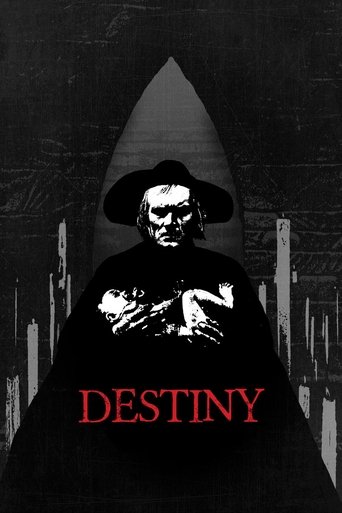
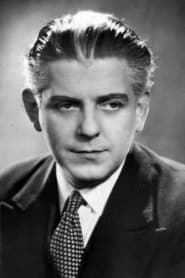
Made his mark during the golden age of German Expressionist cinema, though his career was notably brief. Born in the late 19th century, Janssen emerged as a film actor during the transformative period when German cinema was establishing its artistic identity on the international stage. His most significant contribution came in 1921 when he was cast by the visionary director Fritz Lang as the young man in the landmark silent film 'Destiny' (Der müde Tod), one of the masterpieces of German Expressionism. In this role, Janssen portrayed the devoted lover who challenges Death itself to save his beloved, delivering a performance that embodied the emotional intensity and visual style characteristic of the Expressionist movement. Despite the critical acclaim and artistic significance of this film, Janssen's film career appears to have been limited to this single notable appearance, making him somewhat of an enigma in film history. His brief but impactful contribution to cinema represents the collaborative nature of the German film industry during its creative peak, where even actors with short careers could participate in creating enduring works of art. While details about his life beyond this single film remain scarce, his performance in 'Destiny' ensures his place in the annals of classic cinema as part of films of the silent era.
The Craft
On Screen
Based on his performance in 'Destiny,' Walter Janssen's acting style reflected the dramatic, emotionally charged approach characteristic of German Expressionist cinema. His performance featured the exaggerated gestures and intense facial expressions required to convey deep emotion in silent films, particularly within the Expressionist tradition that emphasized psychological states through physical expression. Janssen demonstrated a ability to portray romantic devotion and desperation through his body language and facial expressions, essential skills for silent film actors who had to communicate complex emotions without dialogue. His performance balanced the theatrical demands of Expressionism with a certain naturalistic quality that made his character's struggles believable to audiences. The emotional range he displayed in his single known film suggests he was well-suited to the heightened reality and psychological depth that defined German Expressionist cinema.
Milestones
- Starred as the young man in Fritz Lang's landmark Expressionist film 'Destiny' (1921)
- Participated in
- Contributed to the German Expressionist movement during its peak creative period
Best Known For
Iconic Roles
Must-See Films
Working Relationships
Worked Often With
Studios
Why They Matter
Impact on Culture
Walter Janssen's cultural impact, while limited to a single film, is nonetheless significant due to his participation in 'Destiny,'. His performance contributed to the film's exploration of love, death, and the human struggle against fate, themes that resonated deeply in post-World War I Germany. As part of this landmark production, Janssen helped create a work that would influence generations of filmmakers internationally, particularly in the development of film noir and psychological thriller genres. The visual and emotional techniques employed in 'Destiny,' in which he participated, demonstrated how cinema could explore philosophical themes through visual storytelling and expressive performance. His contribution to this artistic movement represents the collaborative nature of German Expressionist cinema, where even actors with brief film careers could participate in creating enduring works of art that transcended their time and place.
Lasting Legacy
Walter Janssen's legacy in film history is that of a performer who made a single but significant contribution during. His role in 'Destiny' ensures his place in the history of German Expressionism,. While his name may not be widely recognized outside of film scholarship circles, his performance is preserved as part of a film that continues to be studied and admired for its artistic innovation and emotional power. For cinema historians and enthusiasts, Janssen represents the many talented actors who participated in creating classic films despite having limited film careers. His brief but notable contribution serves as a reminder of the collaborative nature of filmmaking and how even supporting roles in landmark films can achieve immortality through the enduring power of the works themselves. His legacy is intrinsically tied to the continued appreciation and study of German Expressionist cinema.
Who They Inspired
As an actor with a brief film career, Walter Janssen's direct influence on other actors or filmmakers appears limited. However, his performance in 'Destiny' contributed to the film's lasting influence on cinema, particularly in how emotional states could be conveyed through physical expression in silent films. The techniques he employed as part of the Expressionist style influenced subsequent generations of actors in how to portray psychological depth through physical performance. While he may not have directly mentored other actors or been cited as a specific influence, his participation in creating a
Off Screen
Very little is documented about Walter Janssen's personal life, which is not uncommon for actors who had brief careers during the silent film era. The scarcity of information about him beyond his single notable film role suggests he may have primarily worked in other fields or returned to theatrical work after his brief film appearance. Like many actors from this period, detailed biographical information was often not preserved, especially for those who did not achieve long-term fame in the burgeoning film industry. His German nationality and participation in a major German production suggest he was likely part of the German theatrical or artistic community of the early 1920s. The lack of documentation about his life outside of his film work makes him a somewhat mysterious figure in cinema history, known primarily through his single but significant contribution to German Expressionist cinema.
Education
Educational background not documented in available sources, but likely had theatrical training given his film performance abilities