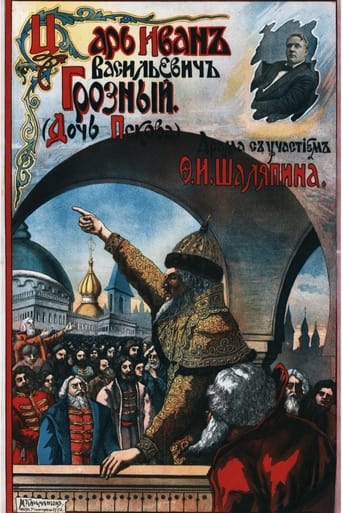
Films
1 film
About Volk-Krachkovskaya
This archive lists one role for Volk-Krachkovskaya: Tsar Ivan Vasilevich The Terrible (1915). Very little is documented about this performer, who is known primarily for their role in the 1915 historical drama 'Tsar Ivan Vasilevich The Terrible.' Volk-Krachkovskaya was part of the burgeoning Russian film industry that emerged in the early 1910s, a period when Russian cinema was producing ambitious historical epics. Their career appears to have been extremely brief, with film records showing activity only in 1915. Like many actors from this period of Russian cinema, their work was likely interrupted by the Russian Revolution of 1917, which dramatically transformed the country's film industry. The scarcity of information about Volk-Krachkovskaya reflects the challenges of documenting film history from this turbulent era, where many records were lost or destroyed during the subsequent decades of political upheaval.
The Craft
Milestones
- Appeared in 'Tsar Ivan Vasilevich The Terrible' (1915) during the golden age of Imperial Russian cinema
Best Known For
Iconic Roles
Must-See Films
Why They Matter
Impact on Culture
Volk-Krachkovskaya represents the largely undocumented actors who contributed to Russia's early film industry during its creative peak in the 1910s. Their participation in 'Tsar Ivan Vasilevich The Terrible' places them within the context of Imperial Russia's ambitious historical film productions, which sought to celebrate Russian history and culture through the new medium of cinema. While their individual impact may be difficult to trace due to limited documentation, they were part of a generation of performers who helped establish the foundations of Russian cinematic art during a period of remarkable creative output before the Revolution transformed the country's cultural landscape.
Lasting Legacy
The legacy of Volk-Krachkovskaya is primarily preserved through their appearance in the 1915 film 'Tsar Ivan Vasilevich The Terrible,' which represents an important example of pre-revolutionary Russian historical cinema. While the actor themselves remains largely obscure to film historians, their work contributes to our understanding of the acting styles and production values of Imperial Russian film. Their story highlights the challenges of preserving film history from this era, where many performers' contributions have been lost to time due to incomplete records and the destruction of archival materials during Russia's turbulent 20th century.
Who They Inspired
Due to the limited documentation of Volk-Krachkovskaya's career and the brevity of their known film work, it is difficult to trace their specific influence on subsequent generations of actors. However, like all performers from Russia's silent film era, they were part of establishing early cinematic traditions that would later influence Soviet and post-Soviet Russian cinema.
Off Screen
Very little information is available about the personal life of Volk-Krachkovskaya. As with many actors from the early Russian silent film era, personal details were not extensively documented, and many records may have been lost during the political upheavals of the early 20th century in Russia.
Did You Know?
- Appeared in only one known film, 'Tsar Ivan Vasilevich The Terrible' (1915)
- Active during the peak years of Imperial Russian cinema before the 1917 Revolution
- Part of the historical film genre that was popular in pre-revolutionary Russian cinema
- Their film work predates the establishment of the Soviet film industry
- Like many actors from this period, their complete filmography may never be known due to lost records
- The 1915 film they appeared in was part of a series of Russian historical epics produced before World War I
- Their career coincided with what many film historians consider the golden age of pre-revolutionary Russian cinema
Frequently Asked Questions
Who was Volk-Krachkovskaya?
Russian with credits in this catalog.' Very little is documented about this performer, who appears to have had an extremely brief career in Imperial Russia's burgeoning film industry.
What films is Volk-Krachkovskaya best known for?
Titles linked here include Tsar Ivan Vasilevich The Terrible (1915).
When was Volk-Krachkovskaya born and when did they die?
Unfortunately, the birth and death dates of Volk-Krachkovskaya are not documented in available historical records. This lack of personal information is common for many actors from Russia's early silent film era.
What awards did Volk-Krachkovskaya win?
There are no records of Volk-Krachkovskaya receiving any formal awards or recognition. The film industry in 1915 Imperial Russia had not yet established the comprehensive award systems that would later become common in cinema.
What was Volk-Krachkovskaya's acting style?
Due to the lack of documentation about their performances and the loss of many films from this era, specific details about Volk-Krachkovskaya's acting style are not available. However, actors in Imperial Russian cinema of this period typically employed the theatrical, exaggerated gestures common to silent film performance.