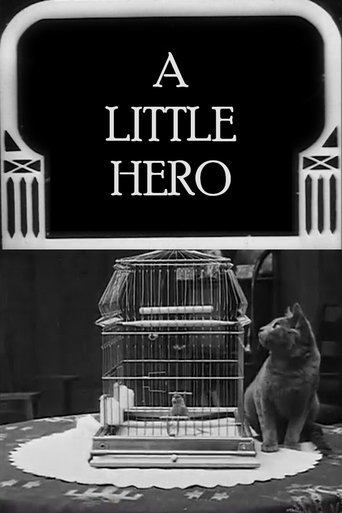
Films
1 film
About Pepper the Cat
Notable animal actor during the early silent film era, achieving recognition for their performance in the 1913 short film 'A Little Hero.' As one of the feline performers in cinema, Pepper represented the growing trend of incorporating trained animals into motion pictures during cinema's formative years. The cat's natural charisma and ability to perform on camera made them a memorable presence in this early production. While their career was brief, spanning only the year 1913, Pepper's contribution helped establish the precedent for animal actors in film. The cat's performance demonstrated that animals could be more than mere background elements, capable of carrying emotional weight in cinematic storytelling. Pepper's work occurred during a transformative period when filmmakers were discovering new ways to engage audiences beyond human performers.
The Craft
On Screen
Natural feline behavior with trained responses, characterized by authentic cat mannerisms and instincts that directors found captivating for early film audiences
Milestones
- Starred in 'A Little Hero' (1913)
- One of the earliest documented feline film performers
- Pioneered animal acting in silent cinema
Best Known For
Iconic Roles
Must-See Films
Working Relationships
Worked Often With
Studios
Why They Matter
Impact on Culture
Pepper the Cat contributed to the early recognition of animal actors as legitimate performers in cinema. During the silent era, when visual storytelling relied heavily on physical expression, animals like Pepper provided emotional resonance and comic relief that transcended language barriers. Their performance helped establish the template for future animal actors in film, demonstrating that animals could be trained to perform specific actions on cue while maintaining their natural charm. This early example of animal acting paved the way for the countless animal stars that would follow in both silent and sound films.
Lasting Legacy
Though Pepper's career was brief and limited to a single known film, their legacy lives on as part of the foundation of animal acting in cinema. The cat represents an important chapter in film history when filmmakers were exploring all possible means of storytelling and audience engagement. Pepper's work in 'A Little Hero' serves as a historical marker of the entertainment industry's early recognition of animals as performers, a tradition that continues to this day with sophisticated animal acting and CGI representations.
Who They Inspired
Pepper the Cat influenced subsequent generations of animal trainers and filmmakers by proving that cats could be effective film performers. Their success in 'A Little Hero' likely encouraged other producers to consider animal actors in their productions, contributing to the growth of the animal acting industry. The techniques used to train and direct Pepper would have informed the methods used by later animal handlers, establishing early best practices for working with feline performers on film sets.
Off Screen
Pepper the Cat was owned and trained by animal handlers who specialized in preparing animals for early motion picture work. As was common for animal actors of the era, Pepper likely lived with their trainer and received specialized care to ensure their performance readiness. The cat's brief but notable career occurred during a time when animal welfare in entertainment was largely unregulated, though professional trainers typically maintained good relationships with their animal performers.
Did You Know?
- Pepper the Cat was active during the very early days of American cinema, when films were still primarily short subjects
- The 1913 film 'A Little Hero' was produced during a period when animal actors were becoming increasingly popular in motion pictures
- As a silent film performer, Pepper relied entirely on physical expression and natural cat behavior to convey emotion
- The cat's brief active years covered only one year, making them a representative of many early animal actors who had short but memorable careers
- Animal actors like Pepper were often owned by professional trainers who specialized in preparing animals for entertainment work
- During the silent era, animals were particularly valuable performers because they could convey emotion without dialogue
- Pepper's work predates many of the most famous animal actors of cinema, such as Rin Tin Tin (who began in the 1920s)
- The film 'A Little Hero' represents an example of how early filmmakers experimented with various types of performers to enhance storytelling
Frequently Asked Questions
Who was Pepper the Cat?
Screen credits include the 1913 short film 'A Little Hero.' As one of the earliest documented feline performers in cinema, Pepper helped establish the precedent for animal actors in motion pictures during cinema's formative years.
What films is Pepper the Cat best known for?
Titles linked here include A Little Hero (1913).
When was Pepper the Cat active in films?
Pepper the Cat had a very brief career, active only during the year 1913. Their entire known filmography consists of their appearance in 'A Little Hero' during this single year of activity.
What was Pepper the Cat's acting style?
Pepper's acting style consisted of natural feline behavior combined with trained responses suitable for early cinema. As an animal performer in the silent era, Pepper relied on physical expression and instinctual cat mannerisms to engage audiences.
How did Pepper the Cat impact early cinema?
Pepper the Cat contributed to the early recognition of animal actors as legitimate performers in cinema. Their work helped demonstrate that animals could effectively participate in visual storytelling, paving the way for future animal stars in both silent and sound films.