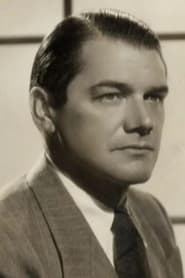
James Edward Grant
Director
Born: July 2, 1905 in Chicago, Illinois, USA Died: February 19, 1966 Active: 1936-1966
Films
1 film
About James Edward Grant
Prolific American screenwriter and occasional director who became one of John Wayne's most important collaborators during Hollywood's Golden Age. Born in 1905, Grant began his writing career in the 1930s and quickly established himself excelled in the Western genre, known for his distinctive dialogue and character-driven storytelling. His partnership with John Wayne began in the 1940s and would span over two decades, resulting in some of Wayne's most memorable films including 'Angel and the Badman' (1947), 'The Alamo' (1960), and 'McLintock!' (1963). Grant's scripts often featured strong moral themes, rugged individualism, and complex protagonists that perfectly suited Wayne's screen persona. Beyond Westerns, Grant also wrote dramas and adventure films, demonstrating remarkable versatility across genres. His directorial work was limited but included several films where he worked closely with Wayne. Grant's career was cut short by his death in 1966, but his legacy lives on through the enduring popularity of the films he helped create.
The Craft
Behind the Camera
Grant's directing style emphasized character development and moral complexity within genre frameworks. He preferred naturalistic performances and often allowed actors significant improvisational freedom, particularly John Wayne. His visual approach was straightforward and unpretentious, focusing on serving the story rather than showcasing technical flourishes.
Milestones
- Began screenwriting career in the mid-1930s
- Formed legendary partnership with John Wayne in 1947
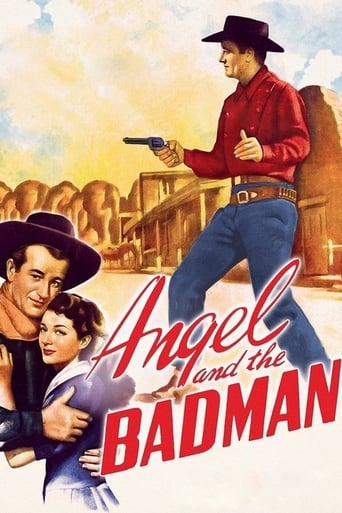
- Wrote 'Angel and the Badman' (1947), establishing his Western credentials
- Co-wrote and produced 'The Alamo' (1960), earning Academy Award nominations
- Created the character-driven Western formula that defined Wayne's later career
- Directed several films including 'Big Jim McLain' (1952)
Best Known For
Must-See Films
Accolades
Won
- Writers Guild of America Award for Best Written American Western (1961) for The Alamo
Nominated
- Academy Award nomination for Best Picture (1961) for The Alamo
- Academy Award nomination for Best Writing, Screenplay Based on Material from Another Medium (1961) for The Alamo
- Academy Award nomination for Best Sound (1961) for The Alamo
- Academy Award nomination for Best Film Editing (1961) for The Alamo
- Academy Award nomination for Best Music, Scoring of a Dramatic or Comedy Picture (1961) for The Alamo
- Directors Guild of America Award nomination for Outstanding Directorial Achievement in Motion Pictures (1961) for The Alamo
Special Recognition
- Posthumous induction into the Western Writers Hall of Fame
- Multiple films preserved in the National Film Registry
Working Relationships
Worked Often With
Studios
Why They Matter
Impact on Culture
James Edward Grant fundamentally shaped the modern Western genre through his collaboration with John Wayne, creating a new type of Western hero who was morally complex yet ultimately righteous. His scripts helped transition the Western from simple good-versus-evil narratives to more sophisticated stories exploring themes of honor, redemption, and American individualism. The films he wrote, particularly during the 1950s and early 1960s, reflected and influenced Cold War-era American values, presenting a vision of frontier justice that resonated with contemporary audiences. Grant's work contributed to John Wayne's transformation from a popular actor to an American cultural icon, and their films together became touchstones of American identity during a period of significant social change.
Lasting Legacy
James Edward Grant's legacy endures through the continued popularity of the John Wayne films he wrote, which remain staples of television programming and film study. His screenwriting approach, emphasizing character depth and moral complexity within genre conventions, influenced generations of Western writers and filmmakers. The Grant-Wayne collaboration created a template for the star-driven production company model that would become common in later Hollywood. His scripts are studied in film schools as examples of effective genre writing, and several of his films have been preserved by the National Film Registry for their cultural significance. Grant's ability to blend entertainment with thoughtful commentary on American values ensured his work would remain relevant long after his death.
Who They Inspired
Grant's influence extends beyond Westerns to affect American screenwriting in general, particularly in the area of creating morally ambiguous protagonists. His dialogue style, characterized by naturalistic speech patterns and memorable one-liners, has been emulated by countless screenwriters. The professional relationship he developed with Wayne as both writer and producer influenced how creative partnerships could function in Hollywood, demonstrating the power of long-term collaborative relationships. Younger writers who worked with him, or studied his scripts, carried forward his emphasis on character-driven storytelling within genre frameworks. His work also influenced how American values were portrayed in cinema, helping establish a more nuanced approach to patriotism and individualism in film.
Off Screen
James Edward Grant was known for his intense work ethic and dedication to his craft, often working long hours to perfect his scripts. He maintained a close personal friendship with John Wayne that extended beyond their professional collaboration. Grant was married and had children, though he kept his family life relatively private compared to his public professional persona. He was known for his political conservatism, which aligned with Wayne's views and often influenced the themes in their films together.
Education
University of Illinois (attended, did not graduate)
Family
- Patricia Grant (married until his death in 1966)
Did You Know?
- Wrote over 30 film and television scripts during his career
- Often used the pseudonym 'Peter O'Crotty' for uncredited writing work
- Was one of the few writers John Wayne trusted to rewrite his dialogue
- Co-founded Batjac Productions with John Wayne in 1952
- His script for 'The Alamo' took over two years to write
- Was known for his extensive research into historical accuracy for his Westerns
- Often incorporated his conservative political views into his scripts
- Had a reputation for being one of the fastest writers in Hollywood
- His collaboration with Wayne produced some of Wayne's most critically acclaimed performances
- Several of his films have been referenced in later works by directors like Clint Eastwood and Quentin Tarantino
In Their Own Words
"A good Western isn't about cowboys and Indians, it's about right and wrong." - On his approach to Western writing
"John Wayne doesn't need a writer, he needs a translator." - On working with Wayne
The best dialogue sounds like it's being said for the first time, even when it's been written a hundred times." - On his writing philosophy",
Every script I write is a prayer for the America I believe in." - On his patriotic themes
Frequently Asked Questions
Who was James Edward Grant?
Prominent American screenwriter and occasional on YTB.my. He wrote many of Wayne's most famous films including 'Angel and the Badman' and 'The Alamo,' helping shape the modern Western genre and Wayne's iconic screen persona.
What films is James Edward Grant best known for?
Titles linked here include Angel and the Badman (1947), The Alamo (1960).
When was James Edward Grant born and when did he die?
Born July 2, 1905; died February 19, 1966.
What awards did James Edward Grant win?
Grant won the Writers Guild of America Award for Best Written American Western for 'The Alamo' in 1961. He also received multiple Academy Award nominations for 'The Alamo' including Best Picture and Best Screenplay, though he did not win an Oscar.
What was James Edward Grant's writing style?
Grant's writing style emphasized naturalistic dialogue, complex character development, and strong moral themes within genre frameworks. He specialized in creating morally ambiguous protagonists and incorporated his conservative values into stories about American individualism and frontier justice.