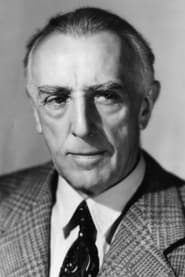
Walter Hampden
Actor
Born: June 30, 1879 in Brooklyn, New York, USA Died: June 11, 1955 Active: 1900-1955 Birth Name: Walter Hampden Dougherty
Films
2 films
About Walter Hampden
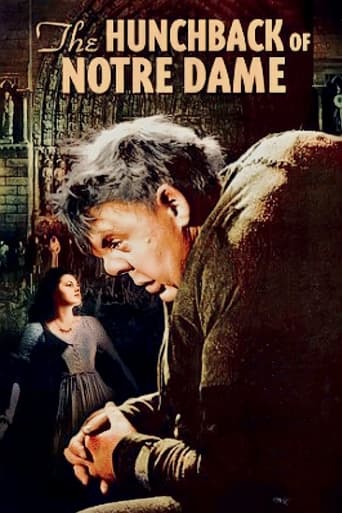
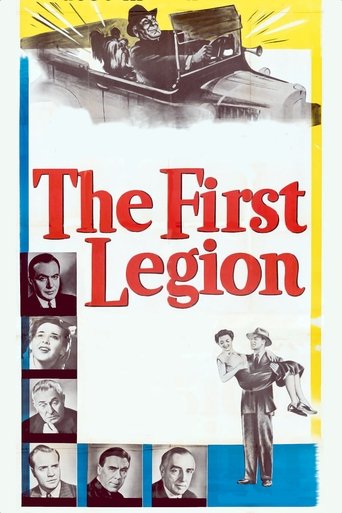
Walter Hampden was one of America's most classical actors, renowned primarily for his illustrious stage career before transitioning to character roles in film. Born Walter Hampden Dougherty, he achieved status on Broadway, particularly for his Shakespearean performances, where he was considered the successor to the great 19th-century tragedians. His stage over five decades, during which he both acted and produced numerous classical productions. Hampden made his film debut relatively late in life, bringing his theatrical gravitas to supporting roles that capitalized on his dignified presence and resonant voice. His most memorable film performances included Archbishop Claude Frollo in 'The Hunchback of Notre Dame' (1939) and his role as the Monsignor in 'The First Legion' (1951). Despite limited film appearances, each role was marked by the same theatrical excellence that defined his stage career. Hampden continued performing until shortly before his death in 1955, leaving behind a legacy as one of America's foremost classical actors.
The Craft
On Screen
Hampden was known for his commanding stage presence, resonant baritone voice, and classical training that emphasized diction and dramatic intensity. His acting style was rooted in the 19th-century theatrical tradition, characterized by grand gestures and emotional depth, yet he adapted well to the more naturalistic demands of film. He brought dignity and gravitas to every role, whether playing tragic heroes or character parts. His Shakespearean performances were particularly noted for their intellectual depth and poetic delivery.
Milestones
- Broadway debut in 1900 with 'A Royal Family'
- Founded his own theatrical company in 1915
- Renowned for his Shakespearean roles, particularly Hamlet and Cyrano de Bergerac
- Film debut in 'The Hunchback of Notre Dame' (1939)
- President of the Players Club from 1937-1950
- Received the first Shakespeare Medal from the Shakespeare Society of America
- Final film appearance in 'The Silver Chalice' (1954)
Best Known For
Iconic Roles
Must-See Films
Accolades
Won
- First recipient of the Shakespeare Medal from the Shakespeare Society of America
- Tony Award for Lifetime Achievement (posthumous)
Special Recognition
- President of The Players Club (1937-1950)
- Inducted into the American Theatre Hall of Fame
- Star on the Hollywood Walk of Fame
Working Relationships
Worked Often With
Studios
Why They Matter
Impact on Culture
Walter Hampden represented the bridge between 19th-century theatrical tradition and 20th-century American drama, helping to establish Shakespeare and classical theater as legitimate American art forms. His dedication to high theatrical standards influenced generations of American actors and helped legitimize American classical theater on the world stage. Hampden's film roles, though few, demonstrated how classical training could enhance cinema, bringing depth and dignity to character roles that might otherwise have been forgettable.
Lasting Legacy
Walter Hampden's legacy endures through his contributions to American theater and his influence on classical acting in the United States. He helped establish Broadway as a venue for serious dramatic art and proved that American actors could successfully interpret classical roles. His name remains synonymous with theatrical excellence and dedication to craft. The Players Club, which he led for over a decade, continues to honor his memory and contributions to American theater.
Who They Inspired
Hampden influenced countless actors through his example of dedication to classical theater and his mastery of Shakespearean performance. His approach to character development and textual interpretation became a model for subsequent generations of American classical actors. Many prominent actors, including John Barrymore and Maurice Evans, cited Hampden as an influence on their own approach to classical material. His success proved that American theater could support and nurture serious classical acting talent.
Off Screen
Walter Hampden was married twice during his lifetime. His first marriage was to actress Mabel Moore, which ended in divorce. He later married actress Juliette Crosby, with whom he remained until his death. Hampden was known as a private individual who maintained a separation between his public theatrical persona and his private life. He was widely respected in theatrical circles for his professionalism and dedication to the craft of acting.
Education
Graduated from Brooklyn Polytechnic Institute, studied acting in Paris under Jacques Rullier
Family
- Mabel Moore (1905-1915)
- Juliette Crosby (1925-1955)
Did You Know?
- Changed his professional name from Walter Hampden Dougherty to Walter Hampden early in his career
- Spoke fluent French and studied acting in Paris before returning to America
- Was the first American actor to play Hamlet on Broadway in the 20th century
- Made his Broadway debut in the same production as actress Ethel Barrymore
- Performed over 1,000 times as Cyrano de Bergerac on stage
- Was offered film roles throughout the 1920s but declined to focus on theater
- Served as president of The Players Club for 13 years, longer than any other president
- His final performance was in 'The Silver Chalice' (1954), released after his death
- Was a founding member of the American Shakespeare Festival
- His son, Paul, became a successful architect rather than following his father into acting
In Their Own Words
The theater is not a refuge from life, but a preparation for it.
Classical training is not a restriction but a liberation for the actor.
Shakespeare is not museum piece; he is living, breathing drama for today.
The actor's greatest responsibility is to the truth of the character, not to the applause of the audience.
Frequently Asked Questions
Who was Walter Hampden?
Walter Hampden was one of America's most classical actors, renowned primarily for his illustrious Broadway career and Shakespearean performances before transitioning to character roles in films like 'The Hunchback of Notre Dame' (1939).
What films is Walter Hampden best known for?
Titles linked here include The Hunchback of Notre Dame (1939), The First Legion (1951).
When was Walter Hampden born and when did he die?
Born June 30, 1879; died June 11, 1955.
What awards did Walter Hampden win?
Walter Hampden received the first Shakespeare Medal from the Shakespeare Society of America, a posthumous Tony Award for Lifetime Achievement, and was inducted into the American Theatre Hall of Fame.
What was Walter Hampden's acting style?
Hampden's acting style combined 19th-century theatrical tradition with classical training, characterized by commanding stage presence, resonant diction, and dramatic intensity, which he successfully adapted for film roles.
Was Walter Hampden more famous for stage or film work?
Walter Hampden was far more famous for his stage work, particularly his Shakespearean roles on Broadway, where he was considered America's foremost classical actor of his generation.
What was Walter Hampden's real name?
Walter Hampden's birth name was Walter Hampden Dougherty, which he shortened to Walter Hampden early in his theatrical career.