
Johannes Riemann
Actor
Born: May 31, 1888 in Berlin, Germany Died: September 30, 1959 Active: 1921-1959
Films
2 films
About Johannes Riemann
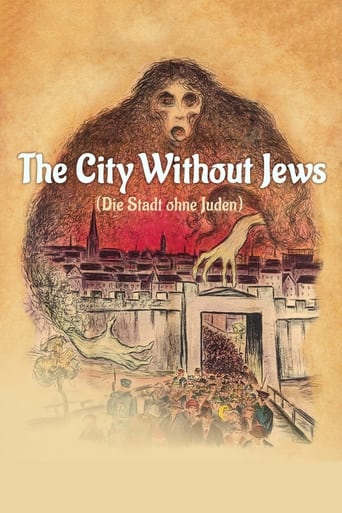
Prominent German actor: the silent era and early sound period of German cinema. Born in Berlin in 1888, he began his acting career on the stage before transitioning to film in the early 1920s. Riemann gained recognition for his roles in socially conscious films, particularly his appearance in the controversial Austrian film 'The City without Jews' (1924), which was an early warning against anti-Semitism. Throughout his career, he appeared in numerous German productions, often playing sophisticated leading roles and character parts. His film career continued through the 1930s and 1940s, though he faced challenges during the Nazi era due to his earlier work in progressive films. After World War II, he resumed his career in West German cinema and television. Riemann remained active in the entertainment industry until his death in 1959, leaving behind a legacy as a versatile character actor who bridged multiple eras of German filmmaking.
The Craft
On Screen
Riemann was known for his naturalistic acting style that bridged the theatrical traditions of the stage with the more intimate demands of cinema. His performances often featured subtle emotional nuances and a sophisticated demeanor, making him particularly effective in dramatic and romantic roles. In silent films, he mastered the art of conveying complex emotions through gesture and expression without appearing melodramatic.
Milestones
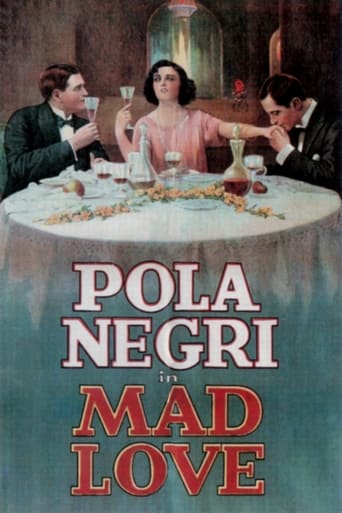
- Breakthrough role in 'Mad Love' (1921)
- Controversial appearance in 'The City without Jews' (1924)
- Transition to sound films in the 1930s
- Post-war career in West German cinema and television
Best Known For
Iconic Roles
Must-See Films
Working Relationships
Worked Often With
Studios
Why They Matter
Impact on Culture
Johannes Riemann's most significant cultural impact came from his participation in 'The City without Jews' (1924), a prescient film that warned against the rising tide of anti-Semitism in Europe. This film, though controversial at the time, has been recognized in retrospect as an important historical document and early example of anti-fascist cinema. Riemann's career trajectory also reflects the broader story of German artists who navigated the turbulent political landscape of the 20th century, from the Weimar Republic through the Nazi era and into post-war Germany.
Lasting Legacy
Johannes Riemann is remembered as a versatile character actor who successfully transitioned from silent films to sound and later to television. His most enduring legacy is his role in 'The City without Jews,' which has been restored and recognized as a significant work of early European cinema. The film serves as both a historical document and a powerful warning against prejudice, with Riemann's performance contributing to its lasting impact. His career represents the resilience of artists who continued their work despite political upheaval and changing cinematic technologies.
Who They Inspired
Riemann influenced subsequent generations of German actors through his naturalistic acting style and his ability to adapt to changing media formats. His work in socially relevant films demonstrated how cinema could address important political and social issues, paving the way for later German filmmakers who used their art as a form of social commentary. His longevity in the industry also served as an example of how actors could maintain relevance across different eras of filmmaking.
Off Screen
Johannes Riemann was married multiple times throughout his life, including to actress Carla Rust. He had children from his marriages who sometimes followed in his artistic footsteps. His personal life was marked by the political upheavals of 20th century Germany, including the challenges faced by artists during the Nazi regime and the subsequent division of Germany after World War II. Despite these challenges, he maintained his career and continued working in the entertainment industry until his final years.
Education
Trained at acting schools in Berlin; specific educational institutions not well documented
Family
- Carla Rust (1933-1938)
- Additional marriage records incomplete
Did You Know?
- Appeared in 'The City without Jews,' one of the first films to explicitly address anti-Semitism in Europe
- Successfully transitioned from silent films to sound films, a challenge many actors of his era couldn't overcome
- Continued acting career into the television era, appearing in early West German TV productions
- Was married to actress Carla Rust, another prominent figure in German cinema
- His active years covered four different political periods in German history: Imperial Germany, Weimar Republic, Nazi Germany, and West Germany
- The film 'The City without Jews' was considered lost for decades before being rediscovered and restored
- Worked with both German and Austrian production companies during his career
- Like many actors of his generation, began his career on the theatrical stage before moving to film
In Their Own Words
(No documented famous quotes are available from Johannes Riemann's public appearances or interviews)
Frequently Asked Questions
Who was Johannes Riemann?
German with credits in this catalog. He successfully transitioned from stage to film and from silent to sound pictures, maintaining a long career in German entertainment.
What films is Johannes Riemann best known for?
Titles linked here include Mad Love (1921), The City without Jews (1924).
When was Johannes Riemann born and when did he die?
Born May 31, 1888; died September 30, 1959.
What awards did Johannes Riemann win?
There are no documented major awards or honors specifically recorded for Johannes Riemann, which was common for character actors of his era. His recognition has come primarily through the historical significance of his film work, particularly 'The City without Jews'.
What was Johannes Riemann's acting style?
Riemann was known for his naturalistic acting style that successfully bridged theatrical traditions with cinematic demands. He excelled at conveying subtle emotions through gesture and expression in silent films, making him particularly effective in dramatic and romantic roles.
How did Johannes Riemann's career reflect German history?
Riemann's career mirrored the tumultuous history of 20th century Germany, spanning from the Weimar Republic through the Nazi era to post-war West Germany. His participation in politically progressive films like 'The City without Jews' and his ability to continue working through different regimes demonstrate the adaptability required of artists during this period.