
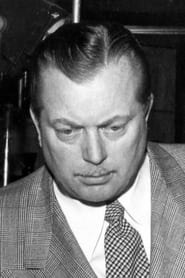
Byron Haskin
Director
Born: April 22, 1899 in Portland, Oregon, USA Died: March 24, 1984 Active: 1915-1968
Films
1 film
About Byron Haskin
American cinematographer, special-effects supervisor, and film director: career bridged the silent era, the classical studio period, and early television. Born in Portland, Oregon, he entered motion pictures first behind the camera rather than in front of it, developing a strong technical grounding that would shape his later directorial work. He became especially important at Warner Bros., where his visual sense and effects knowledge made him a valuable craftsman on a wide range of productions before he moved fully into directing. Although he is often remembered today for science-fiction and adventure films, he worked across genres and brought a polished, technically assured style to studio projects. His most famous directorial achievement is widely considered The War of the Worlds (1953), one of the landmark science-fiction films of the 1950s, but he also directed well-regarded noirs, westerns, and adventure pictures such as Too Late for Tears (1949) and Treasure Island (1950). Haskin’s background as a cinematographer gave his films a clean visual design, efficient pacing, and a practical command of special effects that him from many contemporaries. He remained active in film and television into the 1960s, leaving behind a career that reflects the versatility of the classic Hollywood studio era.
The Craft
Behind the Camera
Haskin’s directing style was rooted in his technical background, resulting in films that are carefully staged, visually lucid, and efficiently paced. He favored clean composition, strong visual storytelling, and a practical approach to effects, which was especially valuable in genre films where audience immersion depended on believable spectacle. His work often combines studio craftsmanship with a sturdy narrative momentum rather than overt stylistic flourishes. In noir and adventure films, he emphasized tension, atmosphere, and clear dramatic geography, while in science fiction he balanced curiosity and suspense with a matter-of-fact realism that made extraordinary events feel plausible. This grounded, professional style helped his films endure as examples of solid classical Hollywood direction.
Milestones
- Built his early career as a cinematographer and camera craftsman in the silent and early sound eras
- Worked for major Hollywood studios, especially Warner Bros., gaining a reputation for technical reliability and visual polish
- Directed the influential science-fiction classic The War of the Worlds (1953), one of the defining genre films of the 1950s
- Directed the acclaimed film noir Too Late for Tears (1949), now regarded as a standout in the genre
- Directed family and adventure fare including Treasure Island (1950), which helped cement his reputation for dynamic studio storytelling
- Worked in special effects and technical production, giving his films a strong practical effects foundation
- Extended his career into television directing during the postwar period
Best Known For
Must-See Films
Working Relationships
Worked Often With
Studios
Why They Matter
Impact on Culture
Byron Haskin’s cultural impact is strongest in the realm of mid-century genre cinema, especially science fiction and film noir. The War of the Worlds became a touchstone for cinematic depictions of alien invasion and effects-driven disaster, influencing later filmmakers who sought to combine spectacle with narrative urgency. Too Late for Tears likewise earned enduring respect among noir enthusiasts for its sharp, morally corrosive atmosphere and its status as a finely made late-1940s thriller. Haskin helped demonstrate that a director with a technical background could bring both visual control and dramatic efficiency to commercially ambitious studio films. His work reflects the craft-driven ideal of classical Hollywood, where professionalism, pacing, and visual clarity were central to audience appeal.
Lasting Legacy
Haskin’s legacy rests on his role as one of Hollywood’s dependable genre directors and as a bridge between technical filmmaking and storytelling. His career is frequently cited by historians and fans of classic cinema because it shows how a cinematographer and effects specialist could move successfully into directing and make films that remain influential decades later. The War of the Worlds in particular secured his place in film history as a director capable of handling large-scale spectacle without losing narrative focus. His noir work, especially Too Late for Tears, has also been rediscovered and reappraised by later generations, strengthening his reputation beyond science fiction alone. Today he is remembered as a craftsman whose films are studied for their efficient visual grammar, genre competence, and durable entertainment value.
Who They Inspired
Haskin influenced later directors working in science fiction, disaster, and adventure cinema by demonstrating how practical effects and disciplined staging could create convincing spectacle on studio-era budgets. His work on The War of the Worlds helped shape the visual and narrative template for alien-invasion films that followed, including later Cold War science-fiction pictures. Filmmakers and scholars interested in noir also point to Too Late for Tears as an example of how atmospheric direction can intensify a morally twisted crime story. More broadly, his career exemplifies the influence of technical filmmakers who move into directing and bring with them a strong sense of visual problem-solving, an approach that became a valuable model in genre filmmaking.
Off Screen
Byron Haskin’s private life is not as extensively documented in the public record as his professional work, and relatively little is widely published about his marriages or family. He is primarily remembered as a studio craftsman whose career was built on technical skill and reliability rather than celebrity. Available biographical references focus more on his filmography and his contributions to cinematography, special effects, and directing than on personal anecdotes. Because of that, details about his domestic life remain limited in standard film histories.
Education
Formal educational background is not well documented in widely available film-reference sources; he appears to have entered the industry through technical and practical studio work rather than through a known film school or university path.
Did You Know?
- Before becoming known as a director, Haskin worked as a cinematographer and special-effects specialist, which strongly shaped the look of his films.
- He is best remembered by many film fans for directing The War of the Worlds, a landmark science-fiction film of the 1950s.
- Too Late for Tears is often praised by noir enthusiasts and has gained a strong reputation in later decades after initially being less celebrated than his sci-fi work.
- His background in technical production made him especially effective on films that required believable spectacle and careful visual planning.
- He directed both darker crime films and family-friendly adventure pictures, showing unusual range for a studio-era filmmaker.
- Haskin worked in both film and television during his long career.
- His career reflects the transition from silent-era studio craftsmanship to postwar genre filmmaking.
Frequently Asked Questions
Who was Byron Haskin?
American cinematographer, special-effects supervisor, and on YTB.my. He is especially remembered for The War of the Worlds and for the noir thriller Too Late for Tears.
What films is Byron Haskin best known for?
Titles linked here include The War of the Worlds (1953), Too Late for Tears (1949).
When was Byron Haskin born and when did he die?
Born April 22, 1899; died March 24, 1984.
What awards did Byron Haskin win?
No major competitive awards are widely documented for Byron Haskin in standard film-reference sources. His reputation rests more on the enduring popularity and critical reappraisal of his films than on formal awards recognition.
What was Byron Haskin's directing style?
Haskin’s directing style was clean, efficient, and technically grounded, reflecting his earlier work in cinematography and special effects. He was especially skilled at creating tension, visual clarity, and believable spectacle in genre films.
Why is Byron Haskin important in film history?
He is important because he helped define how mid-century Hollywood could stage science fiction and noir with strong visual craftsmanship. The War of the Worlds in particular became a lasting influence on later alien-invasion and effects-driven films.