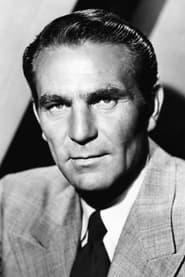
Henry Wilcoxon
Actor
Born: September 8, 1905 in Roseau, Dominica Died: March 6, 1984 Active: 1931-1972 Birth Name: Henry O. Wilcoxon
Films
1 film
About Henry Wilcoxon
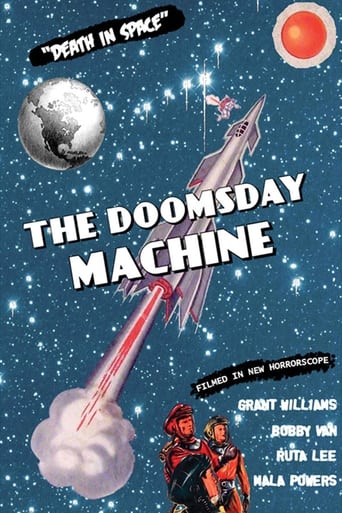
Henry Wilcoxon appears once in this catalog: Doomsday Machine (1972). DeMille's most trusted collaborators during Hollywood's Golden Age. Born in Dominica and raised in England, he served in the Royal Navy before being discovered by a talent scout while performing in London theater. His breakthrough came when DeMille cast him as Marc Antony opposite Claudette Colbert in 'Cleopatra' (1934), establishing him as a leading man in epic historical films. Throughout the 1930s and 1940s, he specialized in portraying noble, authoritative figures in DeMille's grand productions, including King Richard the Lionheart in 'The Crusades' (1935) and Pentaur in 'The Ten Commandments' (1956). As his acting career evolved, Wilcoxon transitioned into producing, serving as associate producer on several of DeMille's later films including 'The Greatest Show on Earth' (1952) which won the Academy Award for Best Picture. His four decades, concluding with character roles in films and television through the early 1970s, including his final appearance in 'Doomsday Machine' (1972). His dignified presence and classical training made him an ideal choice for historical and biblical epics, cementing his legacy as a stalwart of Hollywood's grandest productions.
The Craft
On Screen
Wilcoxon was known for his commanding screen presence, aristocratic bearing, and classical training that brought gravitas to historical and biblical roles. His acting style emphasized dignity, authority, and emotional restraint, making him particularly effective as kings, noblemen, and military leaders. He possessed a rich, resonant voice that carried well in the early sound era, and his physical stature and military bearing made him convincing in sword-fighting and battle sequences. His approach combined theatrical technique with naturalistic moments, allowing him to excel in both intimate dramatic scenes and large-scale epic sequences.
Milestones
- Discovered by Cecil B. DeMille and cast as Marc Antony in 'Cleopatra' (1934)
- Starred as King Richard the Lionheart in 'The Crusades' (1935)
- Played Pentaur in DeMille's 'The Ten Commandments' (1956)
- Transitioned to producing as associate producer on 'The Greatest Show on Earth' (1952)
- Served as associate producer on DeMille's final film 'The Buccaneer' (1958)
Best Known For
Iconic Roles
Must-See Films
Accolades
Special Recognition
- Hollywood Walk of Fame star at 6256 Hollywood Boulevard
Working Relationships
Worked Often With
Studios
Why They Matter
Impact on Culture
Henry Wilcoxon significantly shaped the visual language of Hollywood's epic historical films through his distinctive portrayals of historical and biblical figures. His performances helped establish the archetype of the noble, authoritative leading man in grand-scale productions, influencing how audiences perceived historical characters on screen. His collaboration with Cecil B. DeMille contributed to some of the most culturally significant films of the mid-20th century, particularly 'The Ten Commandments,' which became an annual Easter television tradition for millions of American families. Wilcoxon's dignified approach to historical roles set a standard for authenticity and gravitas in period films that influenced subsequent generations of actors.
Lasting Legacy
Henry Wilcoxon's legacy endures through his iconic performances in some of Hollywood's most beloved epic films, particularly his work with Cecil B. DeMille. His portrayal of Marc Antony in 'Cleopatra' helped establish the template for Shakespearean adaptations in Hollywood, while his role as Pentaur in 'The Ten Commandments' remains. Beyond his acting, his contributions as a producer on Academy Award-winning films demonstrate his broader impact on the industry. His career represents the golden age of Hollywood spectacle, and his films continue to be studied and appreciated by film scholars and classic cinema enthusiasts.
Who They Inspired
Wilcoxon influenced subsequent generations of actors specializing in historical and period roles through his combination of classical training and screen charisma. His ability to bring dignity and authenticity to historical figures set a standard that actors like Charlton Heston, Stephen Boyd, and Richard Burton would later follow. His transition from acting to producing also demonstrated a career path that many performers would later emulate. His collaboration with DeMille influenced how epic films were cast and produced, emphasizing the importance of finding actors who could embody both the physical presence and emotional depth required for historical roles.
Off Screen
Henry Wilcoxon led a relatively private personal life marked by two marriages and a dedication to his craft. His first marriage to Sheila Browning ended in divorce in 1946, and he subsequently married actress Joan Woodbury in 1947, with whom he remained until his death. The couple had three children together. Wilcoxon was known for his professionalism and dedication to the film industry, often working long hours on set and maintaining close friendships with his collaborators, particularly Cecil B. DeMille. In his later years, he suffered from health issues but continued working in film and television until shortly before his death from cancer in 1984 at the age of 78.
Education
Educated in England at various boarding schools; attended the Royal Naval College, Dartmouth
Family
- Sheila Browning (1935-1946)
- Joan Woodbury (1947-1984)
Did You Know?
- He was discovered by a talent scout while performing in a London production of 'Journey's End'
- Despite being British, he was born in the Caribbean island of Dominica
- He served in the British Royal Navy before pursuing acting
- Cecil B. DeMille nicknamed him 'Willy' and considered him his good luck charm
- He was injured during the filming of 'The Ten Commandments' when a chariot crashed
- He worked as an associate producer on 'The Greatest Show on Earth' which won Best Picture
- He appeared in over 70 films during his career
- His final film appearance was in the low-budget sci-fi film 'Doomsday Machine' (1972)
- He was a skilled horseman and performed many of his own stunts in sword-fighting sequences
- He was one of the few actors to work with Cecil B. DeMille consistently from the 1930s through the 1950s
In Their Own Words
Working with Mr. DeMille was like attending the university of filmmaking. Every day was a lesson in how to make pictures that would last forever.
In epics, you're not just playing a character, you're representing history itself. That responsibility never leaves you.
Frequently Asked Questions
Who was Henry Wilcoxon?
British with credits in this catalog. DeMille's epic films, including 'Cleopatra' and 'The Ten Commandments.' He was one of DeMille's favorite collaborators and later became an associate producer on several of the director's films.
What films is Henry Wilcoxon best known for?
Titles linked here include Cleopatra (1934), The Crusades (1935).
When was Henry Wilcoxon born and when did he die?
Born September 8, 1905; died March 6, 1984.
What awards did Henry Wilcoxon win?
While Wilcoxon did not receive major acting awards, he was associate producer on 'The Greatest Show on Earth' which won the Academy Award for Best Picture in 1953. He received a star on the Hollywood Walk of Fame for his contributions to film.
What was Henry Wilcoxon's acting style?
Wilcoxon was known for his commanding presence, aristocratic bearing, and classical training that brought gravitas to historical roles. His style emphasized dignity and authority, making him ideal for playing kings, noblemen, and military leaders in epic films.
How was Henry Wilcoxon discovered?
Wilcoxon was discovered by a Paramount talent scout while performing in a London stage production of 'Journey's End' in 1931, which led to his contract with Paramount and eventual collaboration with Cecil B. DeMille.