
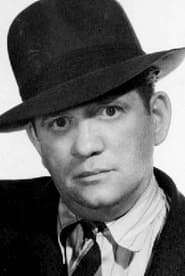
Sam Newfield
Director
Born: July 29, 1904 in New York City, New York, USA Died: May 16, 1964 Active: 1920s-1950s Birth Name: Samuel Neufeld
Films
2 films
About Sam Newfield
Prolific American film director who became industrious craftsmen in Hollywood’s low-budget and exploitation sectors during the 1930s, 1940s, and 1950s. Born Samuel Neufeld, he worked with extraordinary speed and efficiency, directing a vast number of B-movies, Westerns, crime pictures, and novelty productions across multiple studios and independent companies. He is especially remembered for helming The Terror of Tiny Town (1938), an unusual all-midget Western that has become a perennial curiosity in film history, and for later exploitation titles such as Wild Weed (1949). Newfield’s career was defined less by prestige than by sheer volume, adaptability, and an ability to deliver marketable entertainment on extremely tight schedules and budgets. He often worked under pseudonyms and across different production units, a common practice for directors in the low-budget era, and his filmography reflects the demands of the Poverty Row system. Although he was rarely celebrated by mainstream awards bodies, his work has become important to scholars and fans interested in the economics, aesthetics, and eccentricities of mid-century American genre cinema. His legacy lies in the endurance of his films as artifacts of a highly efficient, fast-moving production culture that helped sustain popular cinema outside the major studio spotlight.
The Craft
Behind the Camera
Sam Newfield’s directing style was primarily functional, fast-moving, and highly pragmatic, shaped by the severe economic pressures of low-budget production. He was known for working quickly, staging scenes efficiently, and delivering a finished product that met commercial requirements rather than pursuing elaborate visual flourishes. His films often emphasize direct narrative momentum, economical coverage, and uncomplicated presentation, all of which suited the needs of cheap Westerns, crime stories, and exploitation features. While he was not typically regarded as a stylist in the auteur sense, his body of work shows a dependable command of genre pacing and an ability to adapt his approach to wildly different material, from novelty Western spectacle to moralistic exploitation cinema. His directing can be understood as a classic example of studio-era craft under constraint: minimal waste, maximum throughput, and a practical sense of what would play on lower-budget exhibition circuits.
Milestones
- Became
- Directed The Terror of Tiny Town (1938), one of the best-known novelty Westerns in cult-film history
- Built a reputation for extraordinary speed and efficiency, often completing films on very tight schedules
- Worked extensively in Westerns, action programmers, crime dramas, horror, and exploitation cinema
- Directed Wild Weed (1949), a notable postwar exploitation title associated with anti-drug moral panic filmmaking
- Contributed to the long-running ecosystem of B-movie production that fed double features and neighborhood theaters
- Used his versatility to move between genres and production companies, maintaining a long career despite operating outside the prestige studio system
Best Known For
Must-See Films
Working Relationships
Worked Often With
Studios
Why They Matter
Impact on Culture
Sam Newfield’s cultural impact is most visible in the survival and afterlife of the many B-movies and exploitation pictures he directed, films that helped define the look, rhythm, and commercial logic of low-budget American cinema. Although his name was never synonymous with prestige, his work contributed to the enormous body of genre filmmaking that sustained neighborhood theaters, double bills, and drive-in programming for decades. The Terror of Tiny Town, in particular, has remained culturally memorable because of its unusual casting concept and its status as a novelty Western that continues to attract historians, cult audiences, and revival screenings. Newfield’s films also reveal how Hollywood and independent producers responded to audience demand for quick, inexpensive entertainment, and in that sense his career is a key case study in the industrial history of classic American cinema. His output demonstrates how genre filmmaking could be both formulaic and inventive, especially when filmmakers had to create marketable hooks under severe budget constraints.
Lasting Legacy
Newfield’s lasting legacy is that of a consummate workhorse director whose films document the practical side of American studio-era genre production. He is remembered less for critical acclaim than for the sheer breadth of his filmography and the odd, memorable titles that continue to circulate among cult-film audiences and scholars of exploitation cinema. Because he worked in the lower tiers of the industry, his films offer valuable insight into how B-movies were made, packaged, and consumed, and they preserve a large cross-section of genre conventions from the 1930s through the 1950s. Modern interest in cult cinema has given his work a second life, especially titles that are so unusual they transcend their original commercial purpose. In film history, he stands as an emblem of the efficient, anonymous artisans whose labor made the classic Hollywood ecosystem function beyond the marquee names.
Who They Inspired
Newfield influenced later generations indirectly through the template of efficient, low-cost genre production that he helped perfect. Directors working in television, exploitation cinema, and independent features could look to the B-movie model he exemplified: fast shooting, clear storytelling, and strong marketing hooks rather than expensive spectacle. His work also influenced the way later scholars and fans think about the creative possibilities of constraint, showing that even utilitarian filmmaking can generate enduring cult interest. In cult and genre circles, his films have become reference points for discussions of novelty Westerns, Poverty Row horror, and anti-drug exploitation pictures.
Off Screen
Sam Newfield was born Samuel Neufeld into a family connected to film production; he is widely associated with the Neufeld family of filmmakers, which also included his brother Sigmund Neufeld, a producer who worked extensively in the same low-budget arena. Like many directors of his era, he kept much of his private life out of the public spotlight, and surviving biographical details tend to focus more on his work than on his household affairs. He was part of a working film family rather than a celebrity culture, and his career reflects the collaborative, sometimes anonymous nature of Poverty Row moviemaking. Detailed information about his marriages, children, and day-to-day domestic life is comparatively limited in standard film-reference sources.
Education
Detailed formal education information is not widely documented in standard film-reference sources; he appears to have entered film work through early industry experience rather than a prominently recorded academic pathway.
Did You Know?
- He was born Samuel Neufeld but is best known professionally as Sam Newfield.
- He became famous among film historians for the remarkable speed and volume of his directing output.
- He often worked in the low-budget sphere where directors were expected to shoot quickly and economically.
- He is frequently associated with his producer brother Sigmund Neufeld, who helped shape the same B-movie world.
- His films include horror, Western, crime, and exploitation titles, showing unusual genre range for a Poverty Row director.
- Because many of his films were made on tight schedules, he is sometimes cited as a model of industrial efficiency rather than artistic flamboyance.
- Wild Weed reflects the postwar trend toward exploitation filmmaking that dramatized social fears for commercial effect.
- He directed several films that have become cult favorites despite, or because of, their low-budget origins.
- His work provides a revealing snapshot of how American genre cinema functioned outside the major studio prestige system.
Frequently Asked Questions
Who was Sam Newfield?
American on YTB.my. Born Samuel Neufeld, he became one of the busiest craftsmen in Poverty Row filmmaking and is now remembered as a major figure in the history of B-movie production.
What films is Sam Newfield best known for?
Titles linked here include The Terror of Tiny Town (1938), Wild Weed (1949).
When was Sam Newfield born and when did he die?
Born July 29, 1904; died May 16, 1964.
What awards did Sam Newfield win?
No major mainstream awards or Academy Award nominations are widely documented for Sam Newfield. His recognition has been largely historical and cult-oriented, based on the significance and sheer quantity of the films he directed.
What was Sam Newfield's directing style?
His directing style was efficient, economical, and highly pragmatic, shaped by the demands of low-budget filmmaking. He emphasized quick pacing, functional staging, and clear storytelling rather than elaborate visual showmanship.
Why is Sam Newfield important in film history?
He is important because he represents the industrial backbone of classic genre cinema outside the major studios. His films show how Hollywood’s lower-budget sector operated, and several of his titles have become cult favorites that continue to attract scholars and fans.