Films
1 film
About F. Osipov
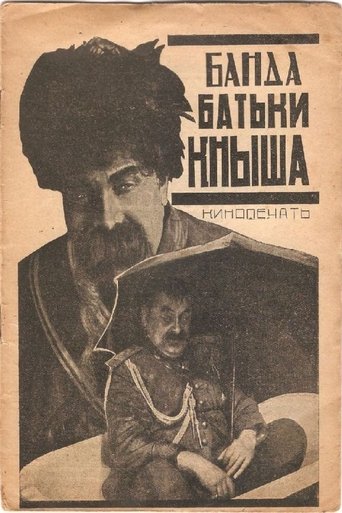
Actor in the early Soviet film industry during the silent era, appearing in the 1924 film 'Banda batki Knysha' (The Gang of Father Knysh). This was a period of rapid development in Soviet cinema following the Bolshevik Revolution, with filmmakers exploring new cinematic techniques and themes. Osipov's career appears to have been brief, with only this single credited film appearance documented in historical records. The film itself was part of the early Soviet effort to create cinema that served revolutionary ideals and educated the masses. Like many actors of this period, Osipov likely came from theater or other performance backgrounds, as the film industry was still establishing itself as a distinct art form. His limited filmography suggests he may have been a character actor or someone who primarily worked in other theatrical mediums.
The Craft
Milestones
- Appeared in 'Banda batki Knysha' (1924) during the formative years of Soviet cinema
Best Known For
Must-See Films
Working Relationships
Studios
Why They Matter
Impact on Culture
As an actor in early Soviet cinema, F. Osipov was part of the foundational generation of performers who helped establish the film industry in the newly formed Soviet Union. The 1920s were a crucial period for Soviet cinema, with directors like Eisenstein, Pudovkin, and Vertov developing revolutionary film techniques. While Osipov's individual contribution may have been small, he participated in the broader cultural project of creating a new Soviet cinema that would influence filmmakers worldwide. The film 'Banda batki Knysha' was part of the early effort to produce entertainment that also carried ideological messages, reflecting the complex relationship between art and politics in the young Soviet state.
Lasting Legacy
F. Osipov's legacy is primarily that of being documented as part of the early Soviet cinema movement, a period that produced some of the most influential films in cinema history. While his name may not be widely recognized, he represents the countless actors and crew members who contributed to the development of Soviet film during its formative years. The preservation of his name in film credits shows the collaborative nature of cinema and the importance of even minor contributors to the art form's evolution.
Who They Inspired
Due to the limited documentation of his career and the brevity of his filmography, there is no available information about F. Osipov's direct influence on other actors or filmmakers. However, as a participant in early Soviet cinema, he was part of an influential movement that would shape international film theory and practice for decades to come.
Off Screen
Very little is documented about F. Osipov's personal life, which was common for many supporting actors in early Soviet cinema whose contributions were not extensively recorded in film histories.
Did You Know?
- Appeared in cinema during the silent era before the advent of sound in Soviet films
- Worked during Lenin's New Economic Policy period when Soviet cinema was beginning to flourish
- The film 'Banda batki Knysha' was produced when Soviet cinema was still establishing its unique identity
- Many early Soviet actors like Osipov came from theater backgrounds as professional film acting was just emerging
- 1924 was the same year that seminal Soviet films like Kuleshov's 'The Extraordinary Adventures of Mr. West in the Land of the Bolsheviks' were released
Frequently Asked Questions
Who was F. Osipov?
Screen credits include the 1924 silent film 'Banda batki Knysha.' His career appears to have been limited to this single film appearance during the formative years of Soviet cinema.
What films is F. Osipov best known for?
Titles linked here include Banda batki Knysha (1924).
When was F. Osipov active in cinema?
F. Osipov was active in cinema in 1924, during the silent era of early Soviet filmmaking. This was a pivotal period when the Soviet film industry was establishing its artistic and ideological foundations.
What was the significance of 'Banda batki Knysha'?
The film was part of early Soviet cinema's effort to create entertainment that also served educational and ideological purposes. While not as famous as works by Eisenstein or Pudovkin, it represents the broader output of the Soviet film industry during this creative period.
Why is so little known about F. Osipov?
Limited documentation is common for many supporting actors from early Soviet cinema, as historical records often focused on directors and major stars. Many actors from this period worked primarily in theater and only appeared sporadically in films.