Richard Morris
Actor
Born: January 30, 1862 in Charlestown, Massachusetts, USA Died: October 11, 1924 Active: 1911-1918
Films
1 film
About Richard Morris
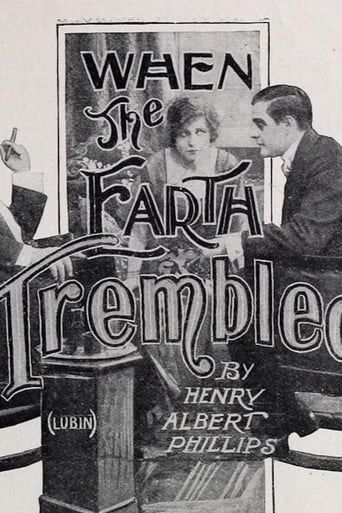
Prominent stage and screen actor of the early silent era, primarily active during the formative years of the American film industry in the early 1910s. He established himself as a versatile character actor, often portraying authoritative figures, fathers, or men of high social standing. His career was most notably defined by his association with the Lubin Manufacturing Company, one of the film studios based in Philadelphia. In 1913, he played a pivotal role in the ambitious disaster film 'When the Earth Trembled', which utilized innovative practical effects to recreate the 1906 San Francisco earthquake. Morris was part of a tight-knit ensemble of actors who helped transition cinematic storytelling from brief sketches to more complex, multi-reel narratives. Although his screen career appears brief in surviving records, he was a respected veteran of the theatrical stage before entering the motion picture business, bringing a disciplined and expressive performance style to the camera.
The Craft
On Screen
Morris employed a robust and theatrical acting style typical of the early silent period, characterized by clear facial expressions and deliberate gestures designed to convey emotion without the aid of sound. Having been trained in opera and the stage, he possessed a commanding physical presence that translated well to the 'larger than life' roles he often inhabited. Unlike some of his contemporaries who relied on slapstick, Morris focused on dramatic gravitas and psychological realism within the constraints of early film techniques.
Milestones
- Starred in the landmark disaster film 'When the Earth Trembled' (1913),.
- Became a staple character actor for the Lubin Manufacturing Company during its peak years.
- Successfully transitioned from a long career in operatic theater and stage plays to the silent screen.
- Appeared in 'The Battle of Shiloh' (1913), a significant early historical war drama.
- Played a lead role in the three-reel drama 'The District Attorney's Conscience' (1913).
Best Known For
Iconic Roles
Must-See Films
Accolades
Special Recognition
- Recognized as a leading man of the Lubin 'Stock' Company in trade publications like The Moving Picture World (1913).
Working Relationships
Worked Often With
Studios
Why They Matter
Impact on Culture
Richard Morris contributed to the cultural shift of cinema from a 'nickelodeon' novelty to a respected art form capable of depicting grand historical events and complex human emotions. His participation in 'When the Earth Trembled' helped prove to audiences and investors that film could handle massive scale and social commentary, specifically regarding the resilience of the American spirit following the San Francisco earthquake. As a veteran stage actor moving into film, he helped bridge the gap between traditional theater and the new medium of motion pictures.
Lasting Legacy
Morris's legacy is preserved through the surviving fragments of the Lubin film catalog, which represent a crucial era of East Coast filmmaking before the industry's mass migration to Hollywood. He is remembered by film historians as a key player in the development of the 'feature-length' mindset, participating in films that pushed the boundaries of runtime and production value in 1913. His work serves as a primary example of the professionalization of screen acting during the early 1910s.
Who They Inspired
He influenced the early standards of character acting, demonstrating how a mature actor could maintain a long-term career in film by specializing in 'authority' roles rather than just youthful leads.
Off Screen
Richard Morris was deeply involved in the arts long before his film career, originally gaining fame as a baritone singer in various opera companies. He was married to actress and singer Annie Lewis, and the couple often traveled together during their years on the theatrical circuit. He was known among his peers for his professional discipline and his extensive knowledge of stagecraft, which he used to mentor younger actors entering the burgeoning film industry in Philadelphia.
Education
Trained extensively in vocal performance and dramatic arts in Boston and New York City.
Family
- Annie Lewis (dates unavailable)
Did You Know?
- Before becoming a film star, Morris — well-known operatic baritone who toured with the Bostonians.
- He was one of the few actors of his time who survived the transition from the stage to the screen with his reputation enhanced rather than diminished.
- The film 'When the Earth Trembled' used actual footage of the ruins of San Francisco, which Morris had to interact with through clever editing and set design.
- He was often cast in roles that required him to wear elaborate historical uniforms or formal Victorian attire.
- Morris — resident of Philadelphia during his years with the Lubin studio, which was then the 'film capital' of the world.
- He passed away in 1924, just as the silent era was reaching its artistic peak before the advent of 'talkies'.
In Their Own Words
The camera requires a different kind of honesty than the footlights, a focus that captures the thought before the action. (Attributed to his views on the transition from stage to screen)
Frequently Asked Questions
Who was Richard Morris?
Prominent American stage and silent film with credits in this catalog. He was a veteran of the opera and theater who brought a sophisticated acting style to early cinema.
What films is Richard Morris best known for?
Titles linked here include When the Earth Trembled (1913), The Battle of Shiloh (1913).
When was Richard Morris born and when did he die?
Born January 30, 1862; died October 11, 1924.
What was Richard Morris's acting style?
He utilized a dramatic and expressive style rooted in his operatic background, focusing on authoritative and dignified characterizations. He was known for his ability to convey deep emotion through subtle physical presence in an era dominated by broader performances.
What was his contribution to film history?
Morris — key figure in the early Philadelphia film scene, helping to pioneer the use of realistic character acting in large-scale, multi-reel feature films that moved beyond simple short subjects.