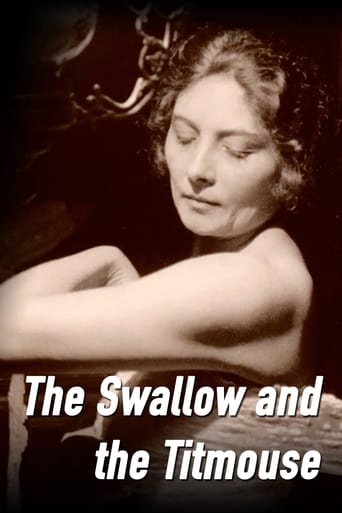

Pierre Alcover
Actor
- Active
- 1920-1930s (documented film activity beginning in 1920)
Films 1
About Pierre Alcover
Pierre Alcover was a French actor of the silent and early sound eras whose screen work is documented primarily in the 1920s and early 1930s. He is known to modern film historians largely through his appearances in French productions, including The Swallow and the Titmouse (1920), which places him at the beginning of his surviving filmography in the silent period. Alcover worked during a formative moment in French cinema, when performance styles were still influenced by stage traditions but increasingly shaped by the expressive demands of the camera. Surviving records about his private life are limited, and he does not appear to have achieved the international celebrity of the era's biggest French stars, but he remained part of the professional acting community of his time. His career is notable for reflecting the many capable character actors who helped define silent and early sound French filmmaking even when their names were not always widely promoted. Because documentation is sparse, much of his significance today comes from film archives and cast listings rather than extensive biographies or memoirs. He represents the kind of dependable supporting player whose work helped sustain the texture and credibility of early European cinema.
More about Pierre Alcover
On screen
Specific contemporary descriptions of Pierre Alcover's acting technique are not widely preserved, but as a silent-era French screen performer he would likely have balanced stage-derived expressiveness with restrained, camera-aware physicality. Actors of this period often relied on clear gesture, posture, and facial nuance to communicate emotion before dialogue became central, and Alcover's surviving credits suggest he worked within that tradition. In early sound films, performers who continued successfully were typically those who could moderate silent-era expansiveness and adapt to more naturalistic delivery. Alcover appears to have been one of the many competent professionals able to work across this transition.
In film history
Pierre Alcover's cultural impact lies less in widespread fame than in his participation in the foundational years of French cinema. Actors like Alcover helped give silent and early sound films their social realism, period texture, and emotional credibility, even when they were not stars in the modern sense. His work contributes to the historical record of how French filmmaking evolved during the 1920s, a decade of artistic innovation and industrial change. For researchers and archive audiences, his filmography helps map the broader network of performers who sustained national cinema beyond the marquee names. In this way, Alcover is part of the indispensable but often under-acknowledged workforce of classic film history.
Later reputation
Pierre Alcover's legacy is primarily archival and historical: he is remembered as part of the pool of French actors who appeared in silent and early sound productions at a crucial moment in cinema's development. Even when individual biographical details are missing, the survival of his name in cast lists allows historians to reconstruct the personnel of early French filmmaking. His career underscores how many performers contributed meaningfully to the medium without leaving behind extensive publicity or celebrity profiles. For modern viewers and scholars, Alcover stands as a representative figure of the character actors whose work made classic cinema feel populated, believable, and lived-in. His legacy is therefore inseparable from the preservation of film history itself.
Influence
There is no strong evidence that Pierre Alcover directly mentored major later figures or that he served as a widely cited influence on subsequent generations of actors or directors. His influence is better understood in collective terms: he was part of the practical acting tradition that shaped performance norms in French silent and early sound cinema. By participating in productions of the era, he contributed to the continuity between theatrical acting conventions and the more subdued film acting styles that became standard later. His presence in the historical record helps illustrate the larger evolution of screen performance in France.
Off screen
Reliable biographical information about Pierre Alcover's personal life is scarce in readily accessible film references. His marriages, family background, and domestic life do not appear to be well documented in standard public film histories or surviving widely circulated reference materials. As a result, his biography is known mainly through his screen work rather than through interviews, memoirs, or publicity surrounding his private affairs. This lack of personal detail is common for many early film actors whose careers were recorded more thoroughly than their lives.
Credits
- Appeared in The Swallow and the Titmouse (1920), one of the earliest documented credits associated with his film career
- Worked in French cinema during the silent era, a period of major artistic transition and experimentation
- Remained active into the early sound period, when many silent-era actors had to adapt their performance style to dialogue-driven filmmaking
- Served as a character actor in productions that helped populate the evolving French screen tradition of the 1920s and 1930s
- Represents the class of working actors whose names are preserved in filmographies and archives even when broader biographical details are scarce
Roles
- Cast performance in The Swallow and the Titmouse (1920)
Films
- The Swallow and the Titmouse (1920)
Notes
- Pierre Alcover is documented in film history chiefly through cast records rather than extensive biographical writing.
- His earliest confirmed film credit in the available record is The Swallow and the Titmouse (1920).
- He worked in the silent era, when visual expressiveness was essential to screen acting.
- His career also touches the early sound period, a time when many silent-era actors had to adapt quickly to new production methods.
- He appears to have been a character actor rather than a major star, which is why public biographical data is limited.
- Unlike many better-known contemporaries, he does not seem to have accumulated a widely documented awards history.
- His surviving record is useful for historians reconstructing the cast networks of French classic cinema.
- He exemplifies the many working actors whose names endure in film databases even when personal details have been lost.
Questions
Who was Pierre Alcover?
Pierre Alcover was a French actor associated with the silent era and early sound period of classic cinema. He is best known today through surviving cast records rather than a large body of published biography, and his documented film work places him in French filmmaking around the 1920s.
What films is Pierre Alcover best known for?
He is documented in The Swallow and the Titmouse (1920), which is the key surviving credit associated with his name in the supplied filmography. Additional titles may exist in archival records, but they are not securely verified here.
When was Pierre Alcover born and when did he die?
His birth and death dates are not readily available in the accessible film-history references used here. The same is true of his place of birth and place of death, so those details should be treated as currently unverified.
What awards did Pierre Alcover win?
No awards or major nominations are securely documented for Pierre Alcover in the available reference material. That does not necessarily mean he received none, only that no reliable awards record is widely preserved for him.
What was Pierre Alcover's acting style?
As a silent-era French actor, his screen work would have depended on expressive physical performance, clear gesture, and facial nuance. In early sound cinema, performers like him generally adapted toward more naturalistic delivery, though specific contemporary critiques of his style are not well preserved.
What is Pierre Alcover's legacy in film history?
His legacy lies in representing the many working actors who shaped early French cinema without becoming major international stars. Film historians value figures like Alcover because they help reconstruct the personnel, style, and industrial context of classic film production.