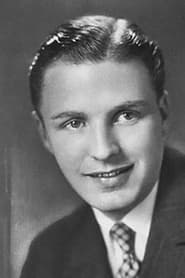
Ernst Pittschau
Actor
Born: October 12, 1883 in Hamburg, Germany Died: November 24, 1951 Active: 1919-1925 Birth Name: Ernst Friedrich Wilhelm Pittschau
Films
2 films
About Ernst Pittschau
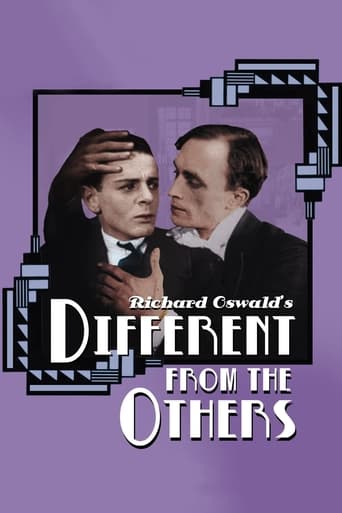
Made his mark during the silent film era, primarily known for his memorable performance in the 1919 film 'Different from the Others' (Anders als die Andern). Born in Hamburg in 1883, Pittschau began his career on the German stage before transitioning to cinema during the height of German Expressionism. His most significant role was as Franz in Richard Oswald's controversial film, which was one of the first sympathetic portrayals of homosexuality in cinema history. Although his film career appears to have been relatively brief, his contribution to this historically important film has secured his place in cinema history. After his film work, Pittschau continued his career in theater and later in radio broadcasting. He was married to prominent actress Käthe Dorsch during the 1920s, making them one of Germany's theatrical power couples of that era. Pittschau's the tumultuous years of the Weimar Republic, and he witnessed the dramatic changes in German cinema and society during this period.
The Craft
On Screen
Pittschau's acting style was characteristic of the German Expressionist movement, featuring exaggerated gestures and intense emotional expression typical of silent era performance. His portrayal of Franz in 'Different from the Others' demonstrated a nuanced approach to character development, bringing sensitivity and depth to a role that required both vulnerability and strength. Like many German actors of his generation, he trained extensively in classical theater, which informed his film performances with a sense of dramatic gravitas and technical precision.
Milestones
- Starred in 'Different from the Others' (1919), one of the first pro-LGBTQ+ films in cinema history
- Worked with director Richard Oswald during the German Expressionist period
- Performed alongside Conrad Veidt in his most famous film role
- Transitioned successfully from stage to film during the golden age of German cinema
- Continued career in radio broadcasting after his film work
Best Known For
Iconic Roles
Must-See Films
Accolades
Special Recognition
- Recognized posthumously for his contribution to early LGBTQ+ cinema
Working Relationships
Worked Often With
Studios
Why They Matter
Impact on Culture
Ernst Pittschau's most significant cultural impact comes from his role in 'Different from the Others,' a film that broke new ground in its sympathetic portrayal of homosexuality at a time when such topics were strictly taboo. The film, co-written by sexologist Magnus Hirschfeld, was part of a broader movement in Weimar Germany to address sexual education and reform through cinema. Pittschau's performance as Franz helped humanize a character that could have easily become a stereotype, contributing to the film's lasting historical significance. Although the film was banned and largely destroyed by the Nazis, surviving fragments have made it an important document of early LGBTQ+ cinema and German cultural history.
Lasting Legacy
Ernst Pittschau's legacy is primarily tied to his participation in one of cinema's most historically significant early films dealing with LGBTQ+ themes. While his career may not have been as extensive as some of his contemporaries, his contribution to 'Different from the Others' has ensured his place in film history books. The film's rediscovery and restoration in recent decades have brought renewed attention to Pittschau's work, with scholars recognizing the importance of all performances in this production. His career serves as an example of the many actors who contributed to the German Expressionist cinema, even if their names are not as widely remembered today as some of their more famous co-stars.
Who They Inspired
While Pittschau may not have directly influenced later generations of actors in a documented way, his work in 'Different from the Others' contributed to the early representation of LGBTQ+ characters in cinema, paving the way for future filmmakers and performers. The film itself influenced subsequent attempts at queer cinema, despite the setbacks it faced during the Nazi era. His performance style, typical of German Expressionism, was part of a broader movement that would influence international cinema, particularly in film noir and psychological thrillers of later decades.
Off Screen
Ernst Pittschau's personal life was marked by his marriage to the celebrated German actress Käthe Dorsch,. Their marriage from 1920 to 1928 made them a notable couple in German cultural circles. Beyond his acting career, Pittschau developed an interest in radio broadcasting during the later years of his life, adapting to new media as cinema evolved. He lived through the dramatic political changes in Germany, from the Weimar Republic through the Nazi era and into the postwar period. His decision to remain in Germany throughout these turbulent times reflected his deep connection to his homeland and its cultural institutions.
Education
Classical theater training in Germany, though specific institutions are not documented in available records
Family
- Käthe Dorsch (1920-1928)
Did You Know?
- 'Different from the Others' was partially funded by Magnus Hirschfeld's Institute for Sexual Science
- The film was one of the first to argue for the decriminalization of homosexuality in Germany
- Many copies of the film were destroyed during the Nazi book burnings of 1933
- Pittschau's co-star Conrad Veidt would later become famous for playing Major Strasser in 'Casablanca'
- The film was considered lost for decades until a partial print was discovered in the 1970s
- Pittschau was married to Käthe Dorsch, who was known as one of Germany's greatest dramatic actresses
- The film was originally titled 'Anders als die Andern' in German
- Pittschau's character Franz was the object of affection for the protagonist played by Conrad Veidt
- The film was banned shortly after its release but continued to be shown in special screenings for medical professionals
- Pittschau's active years covered the transition from Imperial Germany through the Weimar Republic and into the Nazi era
In Their Own Words
No documented famous quotes from Ernst Pittschau are available in historical records, as was common for many supporting actors of the silent era
Frequently Asked Questions
Who was Ernst Pittschau?
German with credits in this catalog.' He was active during the German Expressionist period and was married to prominent actress Käthe Dorsch.
What films is Ernst Pittschau best known for?
Titles linked here include Different from the Others (1919).
When was Ernst Pittschau born and when did he die?
Born October 12, 1883; died November 24, 1951.
What was the significance of 'Different from the Others'?
'Different from the Others' was as one of the first films to sympathetically portray homosexuality and advocate for LGBTQ+ rights. Co-written by sexologist Magnus Hirschfeld, it was part of Weimar Germany's progressive sexual education movement, though it was later banned by the Nazis.
Who did Ernst Pittschau marry?
Ernst Pittschau was married to Käthe Dorsch, one of Germany's most celebrated dramatic actresses of the 1920s. Their marriage lasted from 1920 to 1928 and made them a notable couple in German theatrical circles.
What was Ernst Pittschau's acting style?
Pittschau's acting style was characteristic of German Expressionism, featuring the exaggerated gestures and intense emotional expression typical of silent era performance. His theater background informed his film work with dramatic gravitas and technical precision.