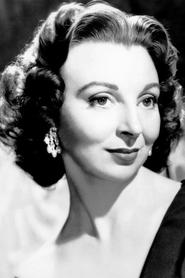
Pamela Brown
Actor
Born: July 8, 1917 in London, England Died: September 19, 1975 Active: 1936-1975 Birth Name: Pamela Mary Brown
Films
1 film
About Pamela Brown
British actress: nearly four decades, from her stage debut in the 1930s through her final film roles in the 1970s. Born into a theatrical family, she trained at the Royal Academy of Dramatic Art and quickly established herself as a formidable stage presence, particularly in Shakespearean productions. Her film career began in earnest with her acclaimed performance in Powell and Pressburger's 'The Life and Death of Colonel Blimp' (1943), which launched her as one of Britain's most distinctive character actresses. Brown was known for her commanding presence, rich voice, and ability to portray both aristocratic elegance and earthy wisdom. She worked extensively with Britain's most respected directors, including Michael Powell, Laurence Olivier, and Joseph L. Mankiewicz. Her later career included memorable roles in Hollywood productions such as 'Becket' (1964) and 'The Great Gatsby' (1974). Despite battling health issues in her final years, Brown continued working until her death in 1975, leaving behind a legacy of powerful performances that showcased her remarkable range and depth.
The Craft
On Screen
Pamela Brown was renowned for her commanding stage presence and distinctive, resonant voice that could convey both authority and vulnerability. Her acting style combined classical British theatrical training with remarkable naturalism, allowing her to excel in both period pieces and contemporary dramas. She possessed a unique ability to portray complex, often contradictory characters with subtlety and depth, whether playing aristocratic ladies, eccentric spinsters, or wise maternal figures. Brown's performances were characterized by her meticulous attention to detail, precise diction, and an intuitive understanding of human psychology that made even her supporting roles memorable.
Milestones
- Stage debut at Stratford-upon-Avon (1936)
- Breakthrough role in 'The Life and Death of Colonel Blimp' (1943)
- Acclaimed performance in 'I Know Where I'm Going!' (1945)
- Tony Award nomination for 'The Sleeping Prince' (1956)
- Major Hollywood role in 'Becket' (1964)
Best Known For
Iconic Roles
Must-See Films
Accolades
Won
- Tony Award for Best Featured Actress in a Play nomination for 'The Sleeping Prince' (1956)
Nominated
- Academy Award nomination consideration for 'I Know Where I'm Going!' (1945)
- BAFTA Film Award nomination for Best British Actress (multiple years)
- Golden Globe nomination for 'The Sword and the Rose' (1953)
Special Recognition
- Commander of the Order of the British Empire (CBE) for services to drama (1975)
- Royal Academy of Dramatic Art fellowship
- National Film Theatre retrospective honoring her career
Working Relationships
Worked Often With
Studios
Why They Matter
Impact on Culture
Pamela Brown significantly influenced both British and American cinema through her distinctive approach to character acting, helping establish the importance of supporting roles in classical filmmaking. Her work with Powell and Pressburger contributed to the golden age of British cinema, demonstrating how complex female characters could drive narrative momentum. Brown's ability to transcend typecasting paved the way for future generations of British actresses to pursue more diverse and challenging roles. Her performances in both historical dramas and contemporary stories helped bridge the gap between classical theatrical acting and the more naturalistic style that would dominate post-war cinema.
Lasting Legacy
Pamela Brown's legacy endures through her remarkable body of work that continues to be studied by actors and film scholars. She is remembered as one of Britain's most versatile character actresses, capable of elevating any material through her commanding presence and nuanced performances. Her influence can be seen in the careers of subsequent British actresses who followed her path from classical theater to international film success. Film historians frequently cite her work as exemplary of the golden age of British cinema, particularly her collaborations with Powell and Pressburger. Brown's dedication to her craft, even while battling terminal illness, remains an inspiration to performers worldwide.
Who They Inspired
Brown's influence extends to her approach to character acting that combined technical precision with emotional authenticity. Many contemporary British actresses have cited her as an inspiration for maintaining artistic integrity while working in both commercial and art-house cinema. Her success in transitioning from stage to film influenced generations of classically trained British actors to seek opportunities in international productions. Brown's distinctive voice and commanding presence helped establish a template for British character actresses that continues to influence casting and performance styles today.
Off Screen
Pamela Brown never married and had no children, dedicating her life entirely to her craft. She was known to be intensely private about her personal life, though colleagues described her as warm and generous behind her reserved public demeanor. Brown maintained close friendships with many of her co-stars and directors, particularly Michael Powell and Emeric Pressburger. She lived primarily in London but maintained homes in the countryside where she enjoyed gardening and reading. In her later years, she battled the cancer that would ultimately claim her life, but continued working almost until her death.
Education
Royal Academy of Dramatic Art (RADA), St Mary's College, Lancaster
Did You Know?
- She was a direct descendant of the Brown family of bankers who founded Brown Shipley & Co.
- Brown stood 5'10" tall, unusually tall for actresses of her era, which contributed to her commanding screen presence.
- She was offered the role of Professor McGonagall in the Harry Potter series but died before filming began.
- Brown — talented painter and several of her artworks were exhibited in London galleries.
- She spoke fluent French and Italian, which helped her secure international film roles.
- During WWII, she entertained troops and worked with ENSA (Entertainments National Service Association).
- Brown — passionate advocate for animal rights and supported several animal welfare organizations.
- She maintained a lifelong friendship with fellow actress Deborah Kerr, whom she met at RADA.
- Brown never learned to drive, preferring to use London's public transport throughout her life.
- She was offered a damehood in 1975 but was too ill to attend the ceremony.
In Their Own Words
Acting is not about being someone different. It's finding the similarity in what is apparently different, then finding myself in there.
The stage is my first love, but film has taught me the beauty of subtlety.
I've never been interested in being a star. I've only wanted to be an actress.
Classical training gives you the tools, but life gives you the truth.
Every character, no matter how small, deserves the same respect and preparation.
Frequently Asked Questions
Who was Pamela Brown?
British actress known for her commanding presence and versatile performances in both stage and film from the 1930s through the 1970s. She was particularly acclaimed for her work with Powell and Pressburger and her ability to portray complex, memorable characters in supporting roles.
What films is Pamela Brown best known for?
Titles linked here include The Life and Death of Colonel Blimp (1943), I Know Where I'm Going! (1945).
When was Pamela Brown born and when did she die?
Born July 8, 1917; died September 19, 1975.
What awards did Pamela Brown win?
Pamela Brown received a Tony Award nomination for Best Featured Actress in a Play for 'The Sleeping Prince' in 1956. She was also appointed Commander of the Order of the British Empire (CBE) in 1975 for her services to drama, though she was too ill to attend the ceremony.
What was Pamela Brown's acting style?
Pamela Brown's acting style combined classical British theatrical training with remarkable naturalism, characterized by her commanding presence, distinctive voice, and ability to convey both authority and vulnerability. She excelled at portraying complex, often contradictory characters with subtlety and emotional depth.
Did Pamela Brown work in Hollywood?
Yes, Pamela Brown appeared in several Hollywood productions including 'The Sword and the Rose' (1953) for Disney, 'Becket' (1964) starring Peter O'Toole and Richard Burton, and 'The Great Gatsby' (1974) with Robert Redford, demonstrating her international appeal.
Was Pamela Brown married?
No, Pamela Brown never married and had no children, dedicating her life entirely to her craft and maintaining a famously private personal life despite her public success.