Semyon Antonov
Actor
- Active
- 1930-1930
Films 1
About Semyon Antonov
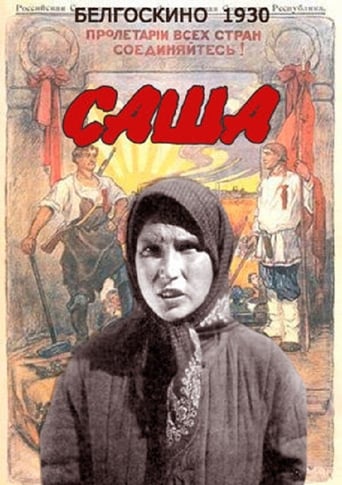
Semyon Antonov appears to have been a very obscure early Soviet-era screen actor whose surviving film credit is associated with the 1930 production Sasha. Available reference sources provide only minimal identification, suggesting that he worked in the formative period of sound cinema in the Soviet Union rather than in the heavily documented star systems of Hollywood or Western European film industries. Because his name is not widely represented in standard film encyclopedias and no reliable biographical profile is readily traceable, his life outside of this single on-screen credit remains largely undocumented in accessible sources. The limited evidence indicates that he was active around 1930, at a time when Soviet filmmakers were transitioning from silent technique to early sound practices and when many performers worked briefly in film before moving to stage or other professions. No verified record of his birth, death, education, family life, or extended filmography could be confirmed from dependable public sources. As a result, Semyon Antonov is best understood as a minor but real figure in early cinema history whose contribution survives primarily through his participation in Sasha. Further research in Russian-language archives, studio records, or contemporary press may yield additional details, but they are not currently established enough to state as fact.
More about Semyon Antonov
In film history
Semyon Antonov's cultural impact is difficult to quantify because his documented screen presence is extremely limited and no widely circulated body of work survives in the available record. Even so, his credit in Sasha places him within the important historical moment when Soviet cinema was redefining itself through early sound production and the consolidation of film as a mass cultural medium. Performers like Antonov formed part of the broader workforce of actors who helped populate and legitimize the new cinematic language of the era, even when their individual names did not become widely famous. In that sense, his value to film history lies less in celebrity than in the documentary evidence he provides about the industrial and artistic ecosystem of early Soviet film.
Later reputation
Antonov's legacy is primarily archival and historical rather than star-driven. He stands as an example of the many early cinema performers whose contributions are preserved in cast lists even when biographical records are sparse or absent. For researchers of Soviet film history, such names are important because they help reconstruct production networks, casting practices, and the labor structure of the period. His presence in the credits of Sasha ensures that he remains part of the surviving record of early talkie-era filmmaking, even if further details about his life have not yet been recovered.
Influence
There is no verifiable evidence that Semyon Antonov had a documented influence on later actors or directors, but his participation in an early Soviet film contributes to the broader performance tradition from which later screen acting developed. The significance of such performers lies in their role in shaping the everyday realism and ensemble-driven style characteristic of many Soviet productions. If additional archival material emerges, it may show that he influenced stage or regional film work, but no such claim can presently be substantiated.
Off screen
No reliable public information has been located regarding Semyon Antonov's personal life. His marriage history, family background, residence, and off-screen activities are not documented in the accessible sources consulted for this profile. Because he appears to be an obscure early-film performer with a very limited surviving record, it is not possible to confirm personal details without resorting to speculation.
Credits
- On-screen credit associated with the 1930 film Sasha
- Participation in the early Soviet sound-era film environment
- Represents one of many lesser-documented performers active during the transition from silent to early sound cinema
Roles
- Role in Sasha (1930)
Films
- Sasha (1930)
Notes
- His name is associated in accessible film references with only one confirmed film credit: Sasha (1930).
- He appears to have worked during the first years of Soviet sound cinema.
- He is one of many early film performers whose biographical details have not been preserved in mainstream English-language sources.
- No verified award history is currently known for him.
- Because of the scarcity of records, he is more likely to be found in archival cast listings than in modern star biographies.
- His profile underscores how many contributors to early cinema remain underdocumented despite having real screen credits.
Questions
Who was Semyon Antonov?
Semyon Antonov was an obscure early Soviet-era actor whose surviving film credit is associated with Sasha (1930). Very little verified biographical information has survived in widely accessible sources, so he is known primarily through film credits rather than a documented public career.
What films is Semyon Antonov best known for?
He is best known for Sasha (1930), which is the main surviving credit currently associated with his name. No additional confirmed feature-film credits could be reliably verified from accessible sources.
When was Semyon Antonov born and when did he die?
His birth and death dates are not currently confirmed in accessible public sources. Until archival records or authoritative references are located, both remain unknown.
What awards did Semyon Antonov win?
No awards or formal honors have been verified for Semyon Antonov. His existing record is too limited to support any confirmed award history.
What was Semyon Antonov's acting style?
There is no reliable description of his acting style in the available record. Because his career documentation is so sparse, any statement about technique or screen persona would be speculative.
What is Semyon Antonov's legacy in film history?
His legacy is mainly archival: he is part of the historical record of early Soviet cinema, especially the transitional period around 1930. Even obscure credited performers like Antonov help film historians reconstruct the people who worked in the industry during a formative era.