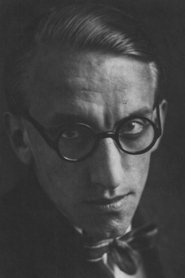
Semyon Timoshenko
Director
Born: January 18, 1899 in Saint Petersburg, Russian Empire Died: November 23, 1958 Active: 1927-1958 Birth Name: Semyon Alekseyevich Timoshenko
Films
3 films

About Semyon Timoshenko
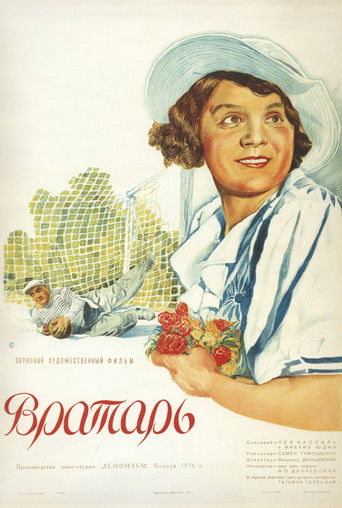
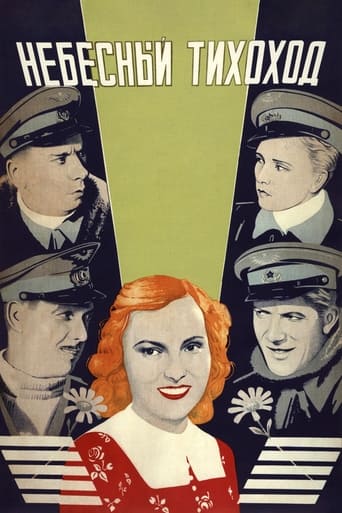
Semyon Alekseyevich Timoshenko — prominent Soviet film director and screenwriter who emerged as commercially successful filmmakers of the Stalin era. Born in Saint Petersburg, he began his career in the 1920s working as an assistant director before establishing himself with a series of popular comedies and dramas in the 1930s. His 1935 film 'Three Comrades' (Три товарища) showcased his ability to blend entertainment with socialist themes, appealing to both audiences and Soviet authorities. Timoshenko reached the height of his popularity with 'The Goalkeeper' (Вратарь) in 1936, which became beloved Soviet films of its decade and established him excelled in the sports film genre. During World War II, he contributed to the war effort with patriotic films, including 'The Sky Slow-Mover' (Небесный тихоход) in 1945, which celebrated Soviet aviation heroes. His the transition from silent films to sound, and he adapted successfully to the changing demands of Soviet cinema policy. Despite facing criticism during the Zhdanov Doctrine period of the late 1940s, he continued directing until his death in 1958, leaving behind a legacy of films that captured the spirit and aspirations of Soviet society during a transformative era.
The Craft
Behind the Camera
Timoshenko was known for his accessible, crowd-pleasing style that skillfully blended entertainment with Soviet ideological messages. His films featured strong character development, particularly of working-class heroes, and employed both comedy and drama to engage audiences. He had a knack for creating relatable protagonists who embodied Soviet ideals while maintaining human complexity. His visual style was straightforward yet effective, with careful attention to pacing and narrative clarity. Timoshenko excelled at the 'production film' genre, showcasing Soviet achievements in sports, industry, and military service while maintaining emotional resonance with viewers.
Milestones
- Directed the breakthrough comedy 'The Happy Guys' (1934)
- Created the sports film 'The Goalkeeper' (1936)
- Directed the wartime aviation film 'The Sky Slow-Mover' (1945)
- Received the title of People's Artist of the RSFSR (1950)
- Won two Stalin Prizes for his contributions to Soviet cinema
Best Known For
Must-See Films
Accolades
Won
- Stalin Prize (1941) - For 'The Sky Slow-Mover'
- Stalin Prize (1946) - For 'Invasion'
- Order of the Red Banner of Labour (1939)
- Order of the Patriotic War (1945)
Nominated
- Stalin Prize nomination (1937) - For 'The Goalkeeper'
Special Recognition
- People's Artist of the RSFSR (1950)
- Honored Artist of the RSFSR (1939)
- Order of Lenin (1950)
Working Relationships
Worked Often With
Studios
Why They Matter
Impact on Culture
Semyon Timoshenko played a crucial role in shaping Soviet popular cinema during the 1930s and 1940s, creating films that became cultural touchstones for generations of Soviet citizens. His sports films, particularly 'The Goalkeeper,' helped establish the genre in Soviet cinema and inspired countless young athletes during a period when physical culture was heavily promoted by the state. His wartime films contributed to Soviet morale and the construction of national memory about the Great Patriotic War. Timoshenko's ability to create commercially successful films that aligned with Soviet cultural policy made him a model for other filmmakers working within the system. His work demonstrated how popular entertainment could serve ideological purposes without sacrificing artistic quality or audience appeal.
Lasting Legacy
Timoshenko's legacy endures through his films, which remain classics of Soviet cinema and are still studied for their historical and artistic value. He is remembered as. His influence can be seen in the later development of Soviet popular cinema, particularly in the sports and war genres. The techniques he developed for blending entertainment with propaganda influenced generations of Soviet and Russian filmmakers. His films continue to be screened at retrospectives and film festivals, where they are appreciated both as historical documents and as accomplished works of cinema that captured the spirit of their time.
Who They Inspired
Timoshenko influenced Soviet cinema by demonstrating that popular, commercially successful films could coexist with socialist ideology. His approach to character development and narrative structure became a template for other directors working within the Soviet system. His success with sports films helped establish the genre as a legitimate vehicle for promoting Soviet values and achievements. Many younger directors learned from his ability to work within the constraints of the system while still creating engaging, human stories. His films served as training grounds for many actors who would become major stars in Soviet cinema, and his mentoring of young directors at the Leningrad film school helped shape the next generation of Soviet filmmakers.
Off Screen
Timoshenko lived through the dramatic transformations of early Soviet history, from the Revolution through Stalin's era to the Khrushchev Thaw. He was married to actress Yelena Yegorova, with whom he collaborated on several films. His personal life was marked by the pressures of working within the Soviet film industry, where artistic expression was constantly balanced against political requirements. Despite these challenges, he maintained a reputation as a professional who could deliver popular films while navigating the complex demands of Soviet cultural policy. His later years were spent teaching at the Leningrad Institute of Theatre, Music and Cinematography, where he influenced the next generation of Soviet filmmakers.
Education
Graduated from the Leningrad Institute of Screen Arts (1925)
Family
- Yelena Yegorova (1930s-1958)
Did You Know?
- 'The Goalkeeper' was
- Timoshenko was one of the few directors who successfully transitioned from silent films to sound in Soviet cinema
- His film 'The Sky Slow-Mover' was based on real Soviet aviation heroes from World War II
- Timoshenko often cast his wife Yelena Yegorova in leading roles in his films
- He survived the Great Purge of the late 1930s, a period when many Soviet cultural figures were arrested or executed
- His films were particularly popular with Soviet youth, who identified with his working-class protagonists
- Timoshenko was known for his meticulous preparation and often spent months researching subjects before filming
- He was one of the first Soviet directors to extensively use location shooting for authentic backgrounds
- His comedy 'The Happy Guys' was adapted into a successful stage musical
- Despite his success, Timoshenko faced criticism during the Zhdanov Doctrine period for being too 'western' in his style
In Their Own Words
Cinema should be both a mirror and a window - reflecting our reality while showing us what we can become
The best propaganda is entertainment that makes people proud of who they are
Every film must have a heart that beats in rhythm with the people's pulse
In Soviet cinema, the individual story must always serve the collective narrative
A director's greatest responsibility is to make the ordinary extraordinary
Frequently Asked Questions
Who was Semyon Timoshenko?
Prominent Soviet on YTB.my.
What films is Semyon Timoshenko best known for?
Titles linked here include The Goalkeeper (1936), Three Comrades (1935).
When was Semyon Timoshenko born and when did he die?
Born January 18, 1899; died November 23, 1958.
What awards did Semyon Timoshenko win?
Timoshenko won two Stalin Prizes (1941 and 1946), was named People's Artist of the RSFSR in 1950, and received several prestigious Soviet honors including the Order of the Red Banner of Labour and the Order of Lenin.
What was Semyon Timoshenko's directing style?
Timoshenko's directing style was characterized by its accessibility and crowd-pleasing nature, skillfully blending entertainment with socialist themes. He excelled at creating relatable working-class heroes, particularly in sports and war films, while maintaining clear narratives and emotional resonance with Soviet audiences.