
Films
1 film
About Genica Athanasiou
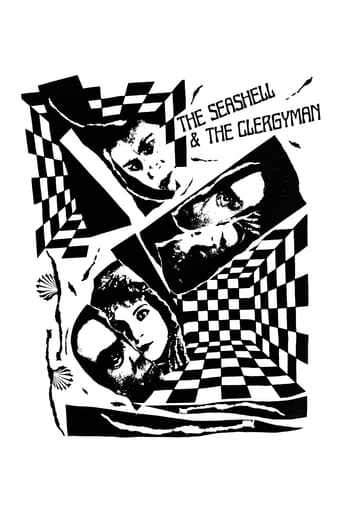
Actor from the silent film era, primarily known for her role in the surrealist film 'The Seashell and the Clergyman' (1928). She worked cinema history when experimental and avant-garde filmmaking was emerging as a significant artistic movement. Her performance in Germaine Dulac's controversial film placed her at the forefront of surrealist cinema, though her career appears to have been brief and concentrated within this experimental sphere. Despite the limited documentation of her life and career, her contribution to this landmark film has secured her place in cinema history as an important figure in early surrealist performance. The film itself was highly controversial for its time and faced censorship challenges, making her participation particularly noteworthy. Beyond this single documented appearance, little is known about her other potential work or career trajectory in the film industry.
The Craft
On Screen
As a performer in surrealist cinema, Athanasiou likely employed exaggerated, symbolic gestures characteristic of silent film acting, but adapted to the dreamlike, psychological nature of the surrealist narrative. Her performance would have emphasized emotional expression through physical movement and facial expressions, typical of the silent era, while also conveying the subconscious themes central to the film's avant-garde vision.
Milestones
- Starred in 'The Seashell and the Clergyman' (1928), considered one of the first surrealist films
- Worked with female director Germaine Dulac
- Participated in a film that was banned and censored for its controversial content
Best Known For
Iconic Roles
Must-See Films
Working Relationships
Worked Often With
Why They Matter
Impact on Culture
Genica Athanasiou's cultural impact is primarily tied to her role in 'The Seashell and the Clergyman,' a film that represents a crucial moment in cinema history as one of the first surrealist films ever made. Her performance contributed to the film's lasting influence on avant-garde cinema and its recognition as a work that challenged conventional narrative and visual storytelling. The film, and by extension her performance, has been studied by film scholars and theorists for decades as an example of early surrealist cinema's potential to explore psychological and subconscious themes through the medium of film.
Lasting Legacy
Genica Athanasiou's legacy, while limited in scope, is significant due to her participation in a film that has become a touchstone of surrealist cinema. 'The Seashell and the Clergyman' continues to be screened at film festivals, studied in academic settings, and cited as an influence by filmmakers working in experimental and surrealist traditions. Her contribution to this landmark film ensures her place in cinema history as an actor who helped bring.
Who They Inspired
Due to the limited documentation of her career and the specialized nature of her work, it's difficult to trace specific influences Athanasiou may have had on other performers. However, her work in surrealist cinema represents an early example of actors adapting their craft to serve avant-garde filmmaking, potentially influencing how performers approached non-traditional, experimental film projects in subsequent decades.
Off Screen
Very little is documented about Genica Athanasiou's personal life, which is not uncommon for actors from the early silent era, especially those who worked in experimental rather than mainstream cinema. Her limited filmography and the lack of extensive biographical records suggest she may have had a brief career in film or possibly worked primarily in theater or other artistic endeavors.
Did You Know?
- 'The Seashell and the Clergyman' was banned in several countries upon its release due to its controversial and surreal content
- The film was based on a script by Antonin Artaud, though director Germaine Dulac significantly altered it
- The film is often cited as the first surrealist film, though this is debated by film historians
- The film's controversial reception included protests at its Paris premiere
- Genica Athanasiou appears to have no other documented film credits, making this her only known screen performance
- The film was lost for many years before being rediscovered and restored
- The surreal imagery in the film was considered shocking and subversive for 1928 audiences
Frequently Asked Questions
Who was Genica Athanasiou?
French with credits in this catalog. Her career appears to have been brief, with this being her only documented film credit.
What films is Genica Athanasiou best known for?
Titles linked here include The Seashell and the Clergyman (1928).
When was Genica Athanasiou born and when did she die?
Unfortunately, specific birth and death dates for Genica Athanasiou are not documented in historical records, which is common for actors from the early silent era who had limited filmographies.
What awards did Genica Athanasiou win?
There are no documented awards or nominations for Genica Athanasiou, which is not unusual for actors working in experimental cinema during the silent era when formal award systems were less established.
What was Genica Athanasiou's acting style?
Her acting style would have been characteristic of silent film performance, emphasizing physical expression and gesture, but adapted to serve the surreal, dreamlike narrative of the film. She worked within the avant-garde tradition, helping to realize the film's psychological and subconscious themes.