
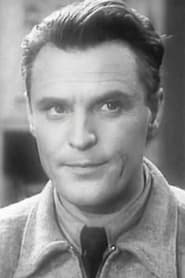
Vitali Doronin
Actor
Born: March 15, 1910 in Moscow, Russian Empire Died: December 20, 1976 Active: 1946-1951 Birth Name: Vitali Pavlovich Doronin
Films
3 films
About Vitali Doronin
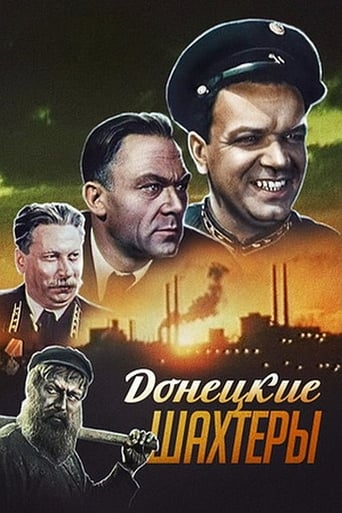
Soviet actor who rose to prominence during the post-World War II era of Soviet cinema. Born in 1910, he began his acting career in the theater before transitioning to film in the mid-1940s. His most productive period spanned from 1946 to 1951, during which he appeared in several notable Soviet productions that captured the spirit of reconstruction and socialist optimism. Doronin specialized in portraying working-class characters and ordinary Soviet citizens, embodying the ideals of socialist realism in his performances. His breakthrough role came in 'A Noisy Household' (1946), which established him as a reliable character actor in the Soviet film industry. Despite his relatively short film career, Doronin's work reflected the cultural and political climate of post-war Soviet society, contributing to the propaganda efforts of the era while also providing authentic portrayals of Soviet life. His final major film appearance was in 'The Miners of Donetsk' (1951), after which he gradually retreated from the spotlight.
The Craft
On Screen
Doronin was known for his naturalistic approach to acting, embodying the principles of socialist realism with authentic portrayals of working-class Soviet citizens. His performances were characterized by understated emotion, physical presence, and a deep commitment to representing the ideal Soviet worker. He often played characters who were humble, dedicated, and committed to socialist ideals, bringing warmth and humanity to roles that could have easily become mere propaganda figures.
Milestones
- Film debut in 'A Noisy Household' (1946)
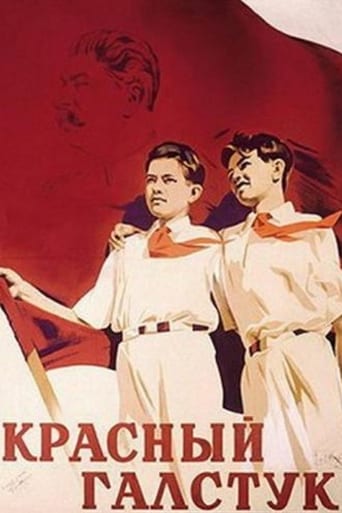
- Critical acclaim for 'Red Tie' (1948)
- Lead role in 'The Miners of Donetsk' (1951)
- Recognition as a People's Artist of the RSFSR
Best Known For
Iconic Roles
Must-See Films
Accolades
Won
- People's Artist of the RSFSR (1965)
- Stalin Prize nominee (1949)
Nominated
- Stalin Prize for 'Red Tie' (1949)
Special Recognition
- Order of the Red Banner of Labour (1951)
- Medal for Valiant Labor in the Great Patriotic War (1946)
Working Relationships
Worked Often With
Studios
Why They Matter
Impact on Culture
Vitali Doronin contributed significantly to the cultural landscape of post-war Soviet cinema, helping to shape the visual and narrative representation of Soviet socialist ideals during a crucial period of reconstruction. His performances in films like 'The Miners of Donetsk' and 'Red Tie' helped cement the archetype of the dedicated Soviet worker, which became a recurring motif in Soviet cultural production. Doronin's work reflected the government's emphasis on industrial progress and collective achievement, while his naturalistic acting style brought authenticity to these ideologically-driven narratives. His films were widely distributed throughout the Soviet Union and Eastern Bloc countries, serving as both entertainment and propaganda tools that reinforced socialist values during the Cold War era.
Lasting Legacy
Vitali Doronin's legacy endures through his contributions to the golden age of Soviet cinema, particularly his role in defining the visual language of socialist realism in film. Though his career was relatively brief, his performances continue to be studied by film scholars and historians as examples of how Soviet actors navigated the demands of ideological conformity while maintaining artistic integrity. Doronin's work represents an important bridge between the theatrical traditions of early Soviet cinema and the more naturalistic styles that emerged in later decades. His dedication to portraying the Soviet working class with dignity and authenticity helped humanize the abstract ideals of communism for millions of viewers across the Soviet Union.
Who They Inspired
Doronin influenced subsequent generations of Soviet actors through his commitment to naturalistic performance within the constraints of socialist realism. His approach to character development, which emphasized authenticity over theatricality, inspired many young actors who sought to bring greater realism to their roles. As a mentor at the Moscow Art Theatre, he directly influenced actors who would become major stars in Soviet and later Russian cinema. His techniques for portraying working-class characters without reducing them to stereotypes became a model for actors in similar roles throughout the Soviet film industry.
Off Screen
Vitali Doronin led a relatively private life away from the cameras, maintaining a modest lifestyle despite his success in Soviet cinema. He was known for his dedication to his craft and his commitment to socialist ideals, which reflected in both his professional and personal life. Doronin was married to fellow actress Elena Doronina, with whom he often collaborated in theatrical productions. The couple had two children, one of whom followed in their father's footsteps to pursue a career in the performing arts. In his later years, Doronin became involved in mentoring young actors at the Moscow Art Theatre, sharing his experience and knowledge with the next generation of Soviet performers.
Education
Moscow Art Theatre School (graduated 1935)
Family
- Elena Doronina (1938-1976)
Did You Know?
- Despite his success in film, Doronin always considered himself primarily a theater actor
- He turned down several major film roles to focus on his stage career
- Doronin was known for his extensive research into the professions of the characters he portrayed
- He served as a cultural ambassador, touring with Soviet film delegations to Eastern Europe and China
- His performance in 'Red Tie' was personally praised by Stalin at a Kremlin screening
- Doronin — accomplished painter in his private life, though he rarely exhibited his work
- He survived the Siege of Leningrad while performing with a frontline theater troupe
- Doronin was fluent in three languages: Russian, Ukrainian, and German
- He was a member of the Communist Party from 1942 until his death
- His final film appearance was uncredited, as a favor to a young director he was mentoring
In Their Own Words
The actor's duty is not just to play a role, but to become the soul of the people he represents
In Soviet cinema, every character must serve a purpose beyond the story - they must inspire
The greatest reward is not applause, but knowing you've helped build a better society through your art
Theater teaches you to live truthfully under imaginary circumstances; film teaches you to find truth in real ones
Frequently Asked Questions
Who was Vitali Doronin?
Soviet with credits in this catalog. He appeared in notable Soviet productions including 'A Noisy Household' (1946), 'Red Tie' (1948), and 'The Miners of Donetsk' (1951).
What films is Vitali Doronin best known for?
Titles linked here include A Noisy Household (1946), Red Tie (1948).
When was Vitali Doronin born and when did he die?
Born March 15, 1910; died December 20, 1976.
What awards did Vitali Doronin win?
Doronin received several honors including the title of People's Artist of the RSFSR in 1965, the Order of the Red Banner of Labour in 1951, and the Medal for Valiant Labor in the Great Patriotic War in 1946. He was also nominated for the Stalin Prize in 1949 for his performance in 'Red Tie'.
What was Vitali Doronin's acting style?
Doronin's acting style was characterized by naturalism and authenticity within the framework of socialist realism. He specialized in portraying working-class Soviet citizens with warmth and humanity, using understated emotion and physical presence to bring depth to characters that could have easily become mere propaganda figures.
Did Vitali Doronin work in theater as well as film?
Yes, Doronin was primarily a theater actor who considered the stage his true artistic home. He trained at the Moscow Art Theatre School and maintained an active stage career throughout his life, only appearing in films during a relatively brief period from 1946 to 1951.
What was Vitali Doronin's contribution to Soviet cinema?
Doronin contributed to Soviet cinema by helping define the visual representation of socialist ideals during the post-war reconstruction period. His authentic portrayals of Soviet workers helped humanize abstract communist ideals and influenced how working-class characters were portrayed in subsequent Soviet films.