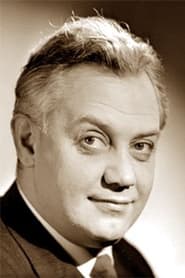
Boris Runge
Actor
Born: July 24, 1912 in Moscow, Russian Empire Died: October 31, 1942 Active: 1937-1942 Birth Name: Boris Alexandrovich Runge
Films
2 films

About Boris Runge
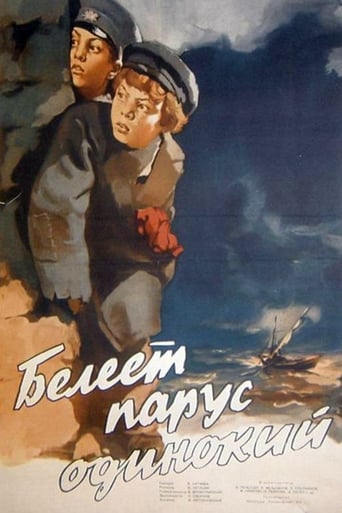
Prominent Soviet actor: career, though tragically brief, on early Soviet cinema. Born into a theatrical family, he developed an early passion for performing arts and received formal training at the prestigious Moscow Art Theatre School. Runge's breakthrough came with his role in the 1937 film 'The Lonely White Sail,' where his nuanced performance caught the attention of both critics and audiences. He followed this success with his memorable portrayal in 'How the Steel Was Tempered' (1942), an adaptation of Nikolai Ostrovsky's influential novel that became Soviet films of the wartime period. Runge was known for his ability to embody the ideal Soviet citizen - strong, principled, and devoted to the socialist cause - while maintaining remarkable emotional depth and humanity. His acting style combined the theatrical traditions of the Moscow Art Theatre with the emerging realism of Soviet cinema. Despite his promising career trajectory, Runge's life was cut short during World War II, leaving audiences to wonder what greater heights he might have reached in Soviet cinema.
The Craft
On Screen
Runge's acting style was characterized by a blend of theatrical precision and cinematic naturalism, influenced by his Moscow Art Theatre training. He excelled at portraying characters with strong ideological convictions while maintaining deep emotional authenticity. His performances were marked by intense concentration, controlled physicality, and the ability to convey complex internal states through subtle facial expressions and gestures. Runge particularly excelled in roles that required him to represent the ideal Soviet hero - steadfast, principled, and willing to sacrifice for the greater good.
Milestones
- Breakthrough role in 'The Lonely White Sail' (1937)
- Starring role in 'How the Steel Was Tempered' (1942)
- Graduation from Moscow Art Theatre School
- Becoming
Best Known For
Iconic Roles
Must-See Films
Accolades
Won
- Stalin Prize nomination (posthumously for 'How the Steel Was Tempered')
Nominated
- Stalin Prize for Best Actor (1942, posthumous)
Special Recognition
- Honored Artist of the RSFSR (posthumous recognition)
- Memorial plaque at Moscow Art Theatre
Working Relationships
Worked Often With
Studios
Why They Matter
Impact on Culture
Boris Runge's impact on Soviet cinema was significant despite his brief career. His portrayal of Pavel Korchagin in 'How the Steel Was Tempered' helped establish the archetype of the Soviet revolutionary hero that would influence generations of Soviet actors and filmmakers. The film itself became a cultural touchstone, used for ideological education and shown extensively during World War II to boost morale. Runge's performances demonstrated how socialist realism could be combined with genuine artistic merit, showing that ideological cinema need not be artistically sterile. His work contributed to the development of a distinctly Soviet acting style that balanced theatrical tradition with cinematic realism.
Lasting Legacy
Boris Runge's legacy is that of a brilliant talent whose potential was never fully realized due to his early death. He is remembered as. His portrayal of Pavel Korchagin became the definitive interpretation of this iconic Soviet literary character. Runge's work continues to be studied by film scholars as an example of the pinnacle of Soviet acting technique during the Stalin era. His tragic death at the height of his powers has made him something of a romantic figure in Russian cinema history.
Who They Inspired
Runge influenced subsequent generations of Soviet actors through his technique of combining ideological conviction with emotional authenticity. His approach to playing revolutionary heroes became a model for actors in similar roles throughout the Soviet period. The naturalistic yet principled style he developed influenced the Moscow Art Theatre's film acting methods. His work in 'How the Steel Was Tempered' particularly influenced how actors approached adaptations of Soviet literary classics, showing how to balance fidelity to source material with cinematic performance needs.
Off Screen
Boris Runge came from a family deeply involved in the arts, with his father being a respected theater director. He married fellow actress Valentina Serova in 1939, though their marriage was cut short by the war. Runge was known for his dedication to his craft and his commitment to Soviet cultural ideals. He was actively involved in theatrical circles in Moscow and was regarded as.
Education
Moscow Art Theatre School (graduated 1936)
Family
- Valentina Serova (1939-1942)
Did You Know?
- Died at age 30 during World War II, cutting short a promising career
- His wife Valentina Serova was
- 'How the Steel Was Tempered' was released posthumously and became his most famous role
- Came from a theatrical dynasty - his father was a prominent stage director
- Was considered
- His performance in 'The Lonely White Sail' was praised by Soviet film critics for its naturalism
- The role of Pavel Korchagin was considered
- Was a member of the Moscow Art Theatre company before focusing on film
- His death was officially reported as being from illness, though some sources suggest combat-related causes
- His films were frequently re-released in the Soviet Union as examples of proper socialist art
In Their Own Words
The actor must not just play a role, he must become the ideal that the role represents
In Soviet cinema, we don't just tell stories - we build the future through art
Every gesture, every word must serve the greater purpose of educating our people
The stage and screen are our weapons in the struggle for a better world
Frequently Asked Questions
Who was Boris Runge?
Soviet with credits in this catalog.' He was considered.
What films is Boris Runge best known for?
Titles linked here include The Lonely White Sail (1937), How the Steel Was Tempered (1942).
When was Boris Runge born and when did he die?
Born July 24, 1912; died October 31, 1942.
What awards did Boris Runge win?
Boris Runge received a posthumous nomination for the Stalin Prize for his role in 'How the Steel Was Tempered.' He was also posthumously honored as an Honored Artist of the RSFSR in recognition of his contributions to Soviet cinema.
What was Boris Runge's acting style?
Runge's acting style combined the theatrical precision of Moscow Art Theatre training with cinematic naturalism. He excelled at portraying ideal Soviet characters with emotional depth and authenticity, using controlled physicality and subtle expressions to convey complex internal states.