Maurice de Féraudy
Actor
Born: December 9, 1859 in Paris, France Died: May 12, 1932 Active: 1880s-1932 Birth Name: Maurice Jacques de Féraudy
Films
1 film
About Maurice de Féraudy
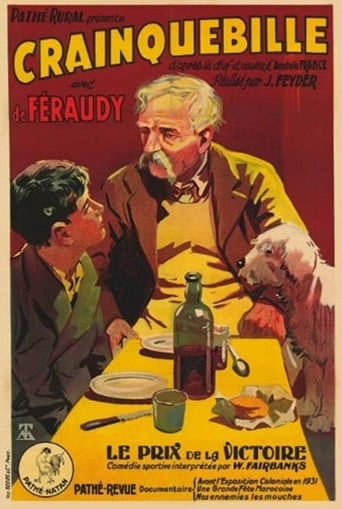
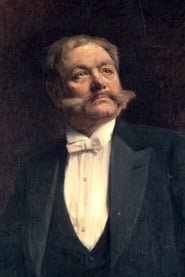
French actor who achieved prominence both on the theatrical stage and in early French cinema. Born in Paris in 1859, he came from a theatrical background and rose to become a prominent member of the prestigious Comédie-Française, where he performed for many years, mastering classical French theater with his commanding presence and exceptional diction. As the film industry emerged in the early 20th century, de Féraudy successfully transitioned from stage to screen, bringing his theatrical gravitas to the new medium of cinema. His most celebrated film role came in 1922 when he starred as the title character in Jacques Feyder's adaptation of Anatole France's 'Crainquebille,' a performance that showcased his ability to convey deep emotion through subtle gestures and expressions, perfectly suited for silent cinema. Throughout his career, he was respected for his classical training and his capacity to bridge the gap between traditional theater and the emerging art of film. He continued performing on both stage and screen until shortly before his death in 1932, leaving behind a legacy as one of France's most actors who helped legitimize cinema as an art form by bringing theatrical excellence to the silver screen.
The Craft
On Screen
Classical French theatrical style with emphasis on precise diction, commanding stage presence, and expressive physicality. His approach was characterized by the grand gestures and formal delivery typical of 19th-century French theater, which he successfully adapted for the intimate medium of film, particularly in silent cinema where visual expression was paramount.
Milestones
- Became a prominent member of the Comédie-Française
- Successfully transitioned from stage to silent cinema
- Starred in the acclaimed film 'Crainquebille' (1922)
- Helped establish legitimacy of cinema in France through classical acting
- Maintained active career in both theater and film for over four decades
Best Known For
Iconic Roles
Must-See Films
Accolades
Won
- Chevalier de la Légion d'honneur
Special Recognition
- Member of the Comédie-Française
- Chevalier de la Légion d'honneur
Working Relationships
Worked Often With
Studios
Why They Matter
Impact on Culture
Maurice de Féraudy played a crucial role in bridging the gap between traditional French theater and the emerging medium of cinema during the early 20th century. By bringing his classical training and theatrical gravitas to silent films, he helped legitimize cinema as a serious art form in France at a time when many theater actors dismissed film as inferior. His performance in 'Crainquebille' demonstrated how classical acting techniques could be adapted for the screen, influencing how other established theater actors approached film work. As a respected member of the Comédie-Française who embraced cinema, he helped break down barriers between the two art forms and contributed to the elevation of French cinema's artistic status.
Lasting Legacy
Maurice de Féraudy's legacy endures as one of the figures who successfully navigated the transition from stage to early cinema in France. He is remembered not only for his theatrical career but also for his significant contributions to French silent film, particularly his role in establishing cinema as a respectable medium for classically trained actors. His work in 'Crainquebille' remains proof of his ability to convey complex emotions through the subtle techniques required for silent film acting. His influence extended to subsequent generations of French actors who sought to combine theatrical excellence with cinematic artistry, and his family's continued involvement in French performing arts ensured that his approach to acting would influence French cinema for decades to come.
Who They Inspired
De Féraudy influenced French cinema by demonstrating how classical theatrical training could enhance rather than hinder film performances. His success in both mediums encouraged other established theater actors to consider film work, raising the artistic standards of early French cinema. His emphasis on diction, physical expressiveness, and emotional authenticity influenced the development of acting techniques in French film, particularly during the transition from silent to sound cinema. Through his son Jacques and other actors he mentored, his approach to combining theatrical precision with cinematic naturalism continued to influence French acting styles well into the sound era.
Off Screen
Maurice de Féraudy came from a theatrical family and married actress Marie Rémy, continuing the tradition of performing arts in his household. He was a devoted family man who balanced his demanding career with his personal life, and his son Jacques de Féraudy followed in his footsteps to become a successful actor, creating a multi-generational acting dynasty. Despite his fame and the demands of his career, he maintained a reputation for professionalism and dedication to his craft both on stage and in film.
Education
Classical theatrical training, likely at the Conservatoire de Paris or similar institution
Family
- Marie Rémy (married until her death)
Did You Know?
- He was one of the first established stage actors from the Comédie-Française to embrace cinema as a legitimate art form
- His performance in 'Crainquebille' was particularly praised for its subtlety and emotional depth in the silent medium
- He came from a theatrical family and continued this tradition with his son becoming an actor
- Despite his success in film, he maintained his primary allegiance to the theater throughout his career
- He was awarded the Chevalier de la Légion d'honneur for his contributions to French arts
- His acting style represented the transition from 19th-century theatrical grandeur to more naturalistic film acting
- He worked with some of the most innovative directors of early French cinema
- His adaptation of theatrical techniques for film influenced how other stage actors approached cinema
- He continued performing actively until shortly before his death at age 72
- His role in 'Crainquebille' was based on a character from Anatole France's socially conscious novel about justice and prejudice
In Their Own Words
The stage teaches us the grand gestures, but cinema demands we learn the art of the subtle glance
To be an actor is to serve the story, whether on boards of the theater or the silver screen
Classical training is not a chain that binds us to tradition, but wings that allow us to soar in any medium
Frequently Asked Questions
Who was Maurice de Féraudy?
French with credits in this catalog. He was a prominent member of the Comédie-Française and successfully transitioned to silent film, most notably starring in 'Crainquebille' (1922). He is remembered as one of the bridge figures between French theatrical tradition and early cinema.
What films is Maurice de Féraudy best known for?
Titles linked here include Crainquebille (1922), Les Misérables (1925).
When was Maurice de Féraudy born and when did he die?
Born December 9, 1859; died May 12, 1932.
What awards did Maurice de Féraudy win?
Maurice de Féraudy was awarded the Chevalier de la Légion d'honneur, one of France's highest honors, in recognition of his significant contributions to French arts and culture. He was also honored through his long-standing membership in the prestigious Comédie-Française.
What was Maurice de Féraudy's acting style?
De Féraudy's acting style was rooted in classical French theatrical tradition, characterized by precise diction, commanding presence, and expressive physicality. He successfully adapted these theatrical techniques for the intimate medium of silent cinema, particularly excelling at conveying emotion through subtle gestures and facial expressions required for non-verbal storytelling.
How did Maurice de Féraudy influence French cinema?
De Féraudy influenced French cinema by helping legitimize it as an art form worthy of classically trained actors. His successful transition from stage to screen encouraged other theater actors to embrace film, raising the artistic standards of early French cinema. His adaptation of theatrical techniques for film influenced subsequent generations of French actors.
Did Maurice de Féraudy have any family connections in the entertainment industry?
Yes, Maurice de Féraudy came from a theatrical family and married actress Marie Rémy. His son, Jacques de Féraudy, also became a successful actor in French theater and cinema, continuing the family's multi-generational involvement in the performing arts.
What was Maurice de Féraudy's role in the Comédie-Française?
Prominent and long-standing member of the Comédie-Française, France's most prestigious theatrical institution. He performed many leading roles there and was respected for his mastery of classical French theater, which formed the foundation of his acting career.