Films
1 film
About Marguerite Carré
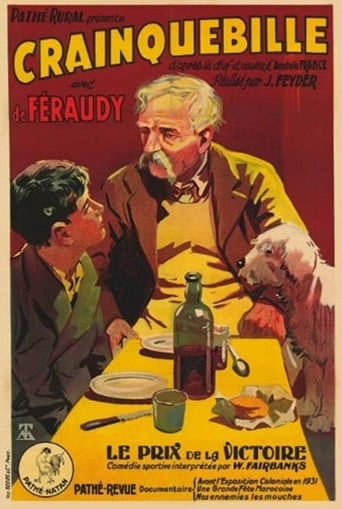
This archive lists one role for Marguerite Carré: Crainquebille (1922). Most notably starring in the 1922 film 'Crainquebille' directed by Jacques Feyder. Her film career appears to have been brief, with this single significant role representing her primary contribution to cinema. Based on the timing and context, she was likely part of the French theatrical tradition that transitioned into early cinema. The role in 'Crainquebille' was based on the Anatole France story about an elderly vegetable vendor wrongfully accused of insulting a police officer. While her filmography may be limited, her participation in this important French literary adaptation places her within the significant movement of adapting classic literature to the silent screen. Her performance contributed to the film's critical success and its representation of social justice themes in early French cinema.
The Craft
Milestones
- Starred in 'Crainquebille' (1922), an important French silent film adaptation of Anatole France's work
- Worked with renowned director Jacques Feyder
- Participated in the literary adaptation movement in French silent cinema
Best Known For
Iconic Roles
Must-See Films
Working Relationships
Worked Often With
Why They Matter
Impact on Culture
Marguerite Carré's contribution to cinema, while limited to a single significant film, represents the broader movement of adapting literary works to the silent screen in 1920s France. 'Crainquebille' was part of an important trend in French cinema that brought socially conscious literature to film audiences. Her participation in this adaptation helped preserve Anatole France's critique of social injustice for cinematic audiences, contributing to the cultural dialogue about class and justice in post-World War I France. The film itself is considered an important work of French silent cinema, and her role, however brief, places her within this significant cultural moment.
Lasting Legacy
Marguerite Carré's legacy is primarily tied to her role in 'Crainquebille' (1922), which has become a significant film in the history of French cinema. While she may not have had an extensive film career, her contribution to this important adaptation ensures her place in film history. The film continues to be studied by scholars of French cinema and silent film enthusiasts, keeping her performance alive through preservation and academic discussion. Her work exemplifies the transition from theatrical traditions to cinematic storytelling that characterized the early 1920s.
Who They Inspired
Due to the brief nature of her film career, there is limited evidence of Marguerite Carré's direct influence on other actors or filmmakers. However, her work in 'Crainquebille' contributed to the broader tradition of literary adaptations in French cinema, which influenced subsequent generations of filmmakers. The film's success and critical reception helped demonstrate the viability of adapting serious literary works to the silent medium, paving the way for future adaptations of French literature.
Off Screen
Very limited information is available about Marguerite Carré's personal life, which is not uncommon for actors from the silent era who had brief film careers. She appears to have been primarily active in the early 1920s French film industry, but detailed biographical information about her background, family, or personal relationships has not been preserved in historical records.
Did You Know?
- Appeared in only one known film, 'Crainquebille' (1922)
- Worked with director Jacques Feyder during his early career
- Participated in an adaptation of Nobel Prize winner Anatole France's work
- Her film was part of the French silent cinema movement focusing on social themes
- The film 'Crainquebille' is considered an important work in French film history
- Her career coincided with the golden age of French silent cinema
Frequently Asked Questions
Who was Marguerite Carré?
French actress from the silent film era, best known for her role in the 1922 film 'Crainquebille'. Her film career appears to have been brief, with this single significant role representing her primary contribution to cinema.
What films is Marguerite Carré best known for?
Titles linked here include Crainquebille (1922).
When was Marguerite Carré born and when did she die?
Specific birth and death dates for Marguerite Carré are not readily available in historical records, which is not uncommon for actors from the silent era who had brief film careers.
What awards did Marguerite Carré win?
There are no recorded awards or nominations for Marguerite Carré, which was typical for many actors in the early 1920s before the establishment of major film awards.
What was Marguerite Carré's acting style?
While specific details about her acting style are not well-documented, as a silent film actress in 1922, she would have used the dramatic gestures and facial expressions characteristic of the era to convey emotion and story.
Why is 'Crainquebille' considered significant in film history?
'Crainquebille' is considered significant as an early French adaptation of literary work dealing with social themes, representing the movement toward more socially conscious cinema in the 1920s and demonstrating the potential of film as a medium for serious storytelling.