
Jacques Grétillat
Actor
- Active
- 1908-1909
Films 2
About Jacques Grétillat
Jacques Grétillat was a French actor associated with the very earliest years of cinema, with documented screen work beginning in 1908. He appears in surviving film records from the silent era, including The Man with White Gloves (1908) and L'Assommoir (1909), placing him among the generation of performers who helped establish screen acting conventions before feature-length storytelling became dominant. Because records from this period are often incomplete, comparatively little biographical detail survives about his off-screen life, but his filmography confirms that he worked during cinema's formative years in France. His career belongs to the transitional moment when film moved from brief, theatrical vignettes toward more elaborate literary and dramatic adaptations. The available evidence suggests he was an active professional performer in early French production circles, contributing to the development of screen realism and dramatic characterization in the silent medium. Beyond these early credits, detailed information about his later career, personal life, and death is not readily documented in major film reference sources, which is common for many pioneers of the pre-1910 era. Nevertheless, his name remains valuable to film historians as part of the foundational generation of French cinema performers.
More about Jacques Grétillat
On screen
Specific descriptions of Jacques Grétillat's acting technique are not well preserved in readily accessible historical sources, which is typical for very early silent-era performers. Based on the period in which he worked, his screen style would have relied on expressive gesture, clear physical motivation, and theatrical but restrained visual storytelling suited to the silent medium. Actors of this era often balanced stage-trained projection with the emerging naturalism demanded by close-ups and camera-based performance, and Grétillat likely worked within that evolving vocabulary. No detailed contemporary critical descriptions of his individual technique are widely documented.
In film history
Jacques Grétillat's cultural importance lies less in star status than in historical significance: he is part of the first generation of French cinema performers who helped define what screen acting could look like before the medium matured. His appearances in 1908 and 1909 place him within the experimental and rapidly professionalizing phase of film history, when production companies were adapting literary and theatrical material for a new visual audience. Roles like those in The Man with White Gloves and L'Assommoir connect him to early efforts to lend cinema dramatic legitimacy through adaptation of recognized narratives. Even without extensive surviving biographical detail, his presence in early film records helps document the collaborative foundation on which later French silent cinema was built.
Later reputation
Grétillat's lasting legacy is archival and historical: he is remembered as one of the early named performers who participated in the formation of French silent film performance. For historians, names like his are important because they illustrate the breadth of talent active in cinema before the industry became widely standardized and heavily documented. His surviving credits in 1908 and 1909 make him a small but meaningful part of the pre-feature era, when film language, acting conventions, and production practices were still taking shape. Though not a widely celebrated star in modern popular memory, he remains part of the essential record of early European cinema.
Influence
There is no well-documented record of Jacques Grétillat directly mentoring later generations of performers or being cited as a major influence by named actors or directors. His broader influence should be understood collectively rather than individually: as one of many early French actors whose work contributed to the evolution of silent screen performance. The early films in which he appeared helped normalize the idea that cinema could present dramatic, literary, and emotionally legible acting on screen, influencing the medium as a whole. His importance is therefore historical rather than celebrity-based.
Off screen
Very little securely documented information survives about Jacques Grétillat's personal life in major reference sources. His marriages, family background, education, and later life are not readily available in standard film histories or widely used databases. Like many performers from the first decade of cinema, he is known primarily through production records rather than through extensive biographical documentation. As a result, the public record emphasizes his work as an early screen actor rather than his private life.
Education
No reliable information about his formal education is readily available in accessible historical sources.
Credits
- Appeared in The Man with White Gloves (1908), one of the earliest documented screen credits associated with his name
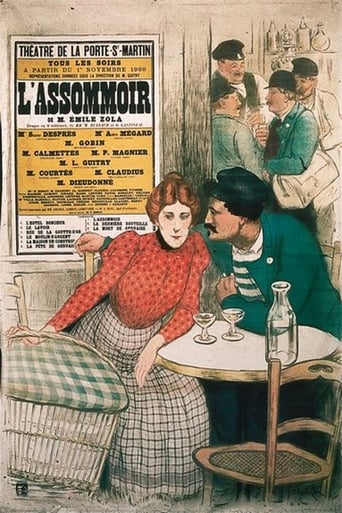
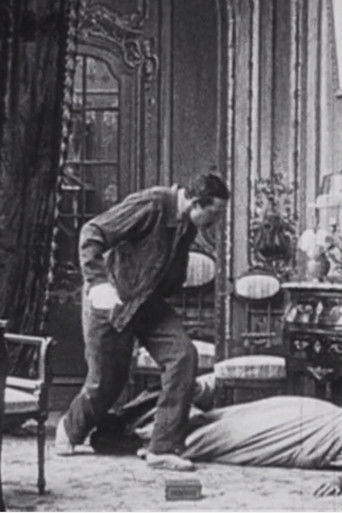
- Appeared in L'Assommoir (1909), linking him to an early film adaptation of a major French literary work
- Worked during the foundational period of French silent cinema, when screen acting techniques were still being developed
- Represents one of the many early performers whose names survive in filmographies even when broader biographical records are sparse
- Contributed to the early prestige of literary adaptation in French film production
Roles
- Unknown role in The Man with White Gloves (1908)
- Unknown role in L'Assommoir (1909)
Films
- The Man with White Gloves (1908)
- L'Assommoir (1909)
Notes
- Jacques Grétillat is associated with the earliest years of French film production, with surviving credits from 1908 and 1909.
- He appeared in L'Assommoir, a screen adaptation of Émile Zola's famous novel, linking him to the early prestige tradition in French cinema.
- His known filmography is extremely short in accessible records, which is common for many pioneers of silent cinema.
- Because so many early films and production documents are lost or incomplete, many details of his life remain unverified.
- He is best understood as a historical figure in cinema rather than a later-era star with extensive publicity materials.
- His surviving credits help researchers trace the development of acting styles before the feature-film era fully matured.
- He is one of many early French performers whose names persist in databases even when personal details have not survived.
Questions
Who was Jacques Grétillat?
Jacques Grétillat was a French actor active in the earliest years of cinema, with known screen credits dating to 1908 and 1909. He is primarily remembered today as a historical figure from the silent-era foundation of French film.
What films is Jacques Grétillat best known for?
He is best known for The Man with White Gloves (1908) and L'Assommoir (1909). These early credits are the main surviving film references associated with his name.
When was Jacques Grétillat born and when did he die?
His birth date and death date are not readily documented in accessible major film reference sources. He is known mainly through his early film credits rather than through a fully preserved biographical record.
What awards did Jacques Grétillat win?
No awards or nominations are documented for Jacques Grétillat in the available historical record. This is not unusual for performers from the first decade of cinema, when formal awards culture had not yet developed.
What was Jacques Grétillat's acting style?
Specific contemporary descriptions of his acting style are not widely preserved. As an early silent-film performer, his work would have depended on expressive physical acting, clear gestures, and stage-derived performance techniques adapted for the camera.
What is Jacques Grétillat's legacy in film history?
His legacy is that of an early French screen actor whose name survives from cinema's formative period. He represents the generation of performers who helped establish silent film acting and the adaptation of literary works for the screen.