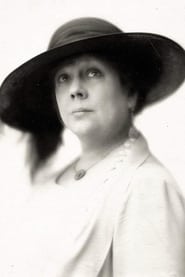
Jeanne Cheirel
Actor
Born: April 15, 1884 in Paris, France Died: January 1, 1973 Active: 1913-1922 Birth Name: Jeanne Marie Cheirel
Films
2 films
About Jeanne Cheirel
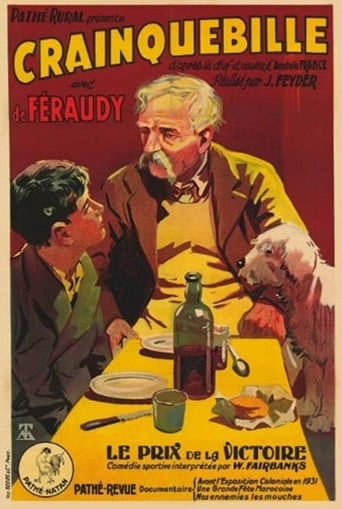
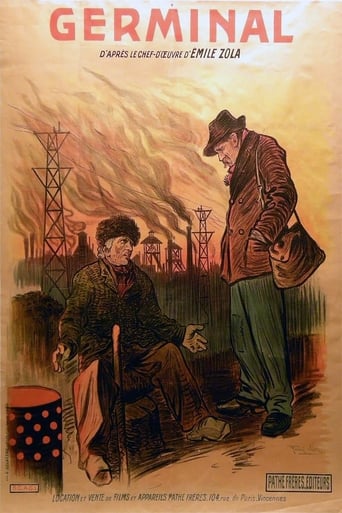
French actress who emerged during the early years of cinema, making her mark in the silent film era of the 1910s and early 1920s. She began her film career with a significant role in Albert Capellani's acclaimed adaptation of Émile Zola's 'Germinal' in 1913, where she played Catherine Maheu, one of the central characters in this powerful social drama. Her performance in 'Germinal' established her as a serious dramatic actress capable of portraying complex working-class characters with depth and authenticity. Cheirel continued her collaboration with Capellani, appearing in 'Crainquebille' in 1922, another adaptation of a literary work by Anatole France, further cementing her reputation as an actress of substance in French cinema. Her career, though relatively brief, coincided with a pivotal period in French film history when cinema was transitioning from theatrical conventions to more naturalistic cinematic expressions. Cheirel's work exemplified the growing sophistication of French silent cinema and its engagement with socially relevant themes. After the early 1920s, her film appearances became less frequent, possibly due to the transition to sound films or personal career choices.
The Craft
On Screen
Jeanne Cheirel's acting style was characteristic of the transition from theatrical melodrama to cinematic naturalism that occurred during the silent era. She employed expressive facial techniques and body language to convey complex emotions, particularly effective in portraying working-class characters with authenticity and dignity. Her performances were marked by a subtle intensity that avoided the exaggerated gestures common in early cinema, instead favoring more restrained and psychologically nuanced portrayals. Cheirel had a particular talent for embodying the struggles and resilience of common people, bringing depth to characters that might otherwise have been reduced to social stereotypes.
Milestones
- Breakthrough role as Catherine Maheu in 'Germinal' (1913)
- Collaboration with director Albert Capellani
- Starring role in 'Crainquebille' (1922)
- work in French literary adaptations
- Contributions to early French social realist cinema
Best Known For
Iconic Roles
Must-See Films
Accolades
Special Recognition
- Recognized as a pioneer of French silent cinema
- Noted for contributions to literary adaptations in early film
Working Relationships
Worked Often With
Studios
Why They Matter
Impact on Culture
Jeanne Cheirel's work, particularly in 'Germinal,' contributed significantly to the development of social realist cinema in France during the silent era. Her portrayal of Catherine Maheu helped establish a template for representing working-class women on screen with dignity and complexity, challenging the simplistic characterizations common in early cinema. Through her collaborations with Albert Capellani, she participated in the important movement of adapting major French literary works to film, helping bridge the gap between respected literature and the emerging medium of cinema. Her performances demonstrated that silent film could handle sophisticated social commentary and complex character development, influencing subsequent generations of French filmmakers.
Lasting Legacy
Jeanne Cheirel's legacy lies in her contribution to the early golden age of French cinema, particularly in the realm of literary adaptations and social realist filmmaking. Though her filmography is small, her work in 'Germinal' and 'Crainquebille' represents some of the most ambitious and artistically significant French productions of the silent era. These films, and her performances within them, have been studied by film historians as examples of how early French cinema tackled serious social themes and literary masterworks. Cheirel's career shows the important but often overlooked contributions of actresses who helped establish the artistic credibility of cinema as a medium for serious dramatic expression.
Who They Inspired
Jeanne Cheirel influenced subsequent generations of French actresses through her naturalistic approach to character portrayal, particularly in representing working-class women. Her work with Albert Capellani helped establish a model for literary adaptation that balanced fidelity to source material with cinematic innovation. The emotional authenticity she brought to her roles demonstrated the potential for silent film to convey complex psychological states, influencing the evolution of acting techniques in French cinema. While she may not be widely remembered by contemporary audiences, her performances continue to be cited by film scholars studying the development of realistic acting styles in early European cinema.
Off Screen
Jeanne Cheirel was born in Paris in 1884, coming of age during the Belle Époque period when French cinema was in its infancy. Details about her personal life remain relatively scarce, as was common for many early film actors whose private lives were not extensively documented in the press. Her active years covered the crucial decade when cinema evolved from simple novelty to sophisticated art form. After her film career diminished in the early 1920s, she lived through the dramatic changes in French society and cinema throughout the 20th century, passing away in 1973 at the age of 88.
Did You Know?
- Her role as Catherine Maheu in 'Germinal' was
- She worked with director Albert Capellani, who was instrumental in developing the feature film format in France
- 'Germinal' (1913) was
- The film 'Germinal' was considered lost for decades before being rediscovered and restored
- Cheirel's active years covered the crucial transitional period when French cinema was establishing itself as a serious art form
- Her work coincided with the peak of French silent film production before the disruption of World War I
- Both of her known surviving films were adaptations of major French literary works
- She was part of the first generation of actors who worked exclusively in cinema rather than transitioning from theater
- Her performance style helped move French film acting away from theatrical gestures toward more naturalistic expression
Frequently Asked Questions
Who was Jeanne Cheirel?
French actress active during the silent film era, best known for her roles in Albert Capellani's 'Germinal' (1913) and 'Crainquebille' (1922). She was a pioneer in French cinema who specialized in portraying complex working-class characters in literary adaptations.
What films is Jeanne Cheirel best known for?
Titles linked here include Germinal (1913), Crainquebille (1922).
When was Jeanne Cheirel born and when did she die?
Born April 15, 1884; died January 1, 1973.
What awards did Jeanne Cheirel win?
Jeanne Cheirel did not receive formal awards during her career, as this was before the establishment of major film awards. However, she is recognized by film historians as a significant contributor to early French cinema and the development of realistic acting styles.
What was Jeanne Cheirel's acting style?
Jeanne Cheirel's acting style marked a transition from theatrical melodrama to cinematic naturalism, using subtle facial expressions and body language to convey complex emotions. She was particularly noted for her authentic portrayals of working-class characters with dignity and psychological depth.