Georges Lacombe
Actor
Born: August 19, 1902 in Paris, France Died: April 14, 1990 Active: 1924-1955
Films
1 film
About Georges Lacombe
French film director and occasional actor who emerged during the vibrant avant-garde cinema movement of the 1920s. Born in Paris, he began his career in the film industry during the golden age of French silent cinema, initially making a brief appearance in René Clair's surrealist film 'Entr'acte' (1924). This early exposure to the experimental film scene influenced his later directorial work, which often incorporated innovative visual techniques and narrative structures. Lacombe transitioned successfully from silent films to sound cinema, directing numerous feature films throughout the 1930s and 1940s. His directorial style evolved to encompass various genres, from romantic dramas to thrillers, showcasing his versatility as a filmmaker. He worked with many prominent French actors of the era and contributed significantly to the development of French commercial cinema while maintaining artistic sensibilities. His over three decades, making him a notable figure in mid-20th century French cinema.
The Craft
On Screen
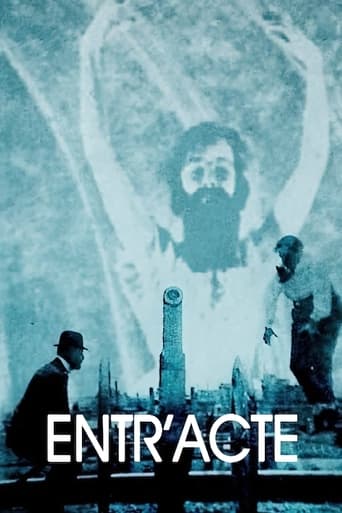
As an actor, Lacombe made only brief appearances, most notably in experimental films where his presence served the avant-garde vision rather than traditional character development. His acting in 'Entr'acte' was typical of the surrealist style of the film - dreamlike, non-naturalistic, and serving the abstract visual narrative rather than conventional storytelling.
Milestones
- Appeared in René Clair's avant-garde film 'Entr'acte' (1924)
- Directed 'La Zone' (1929)
- Made successful transition to sound films in the 1930s
- Directed 'The Last of the Six' (1941)
- Collaborated with major French stars like Arletty and Michel Simon
Best Known For
Iconic Roles
Must-See Films
Accolades
Special Recognition
- Recognized contributor to French avant-garde cinema movement
- Noted figure in the transition from silent to sound French cinema
Working Relationships
Worked Often With
Studios
Why They Matter
Impact on Culture
Georges Lacombe's brief appearance in 'Entr'acte' places him within the crucial surrealist cinema movement that revolutionized film language and narrative possibilities. His participation in this landmark film connects him to. As a director who successfully navigated the transition from silent to sound cinema, he represents the generation of filmmakers who adapted to technological changes while maintaining artistic integrity. His body of work contributes to our understanding of how French cinema evolved from experimental beginnings to commercial success.
Lasting Legacy
Lacombe's legacy lies primarily in his connection to the French avant-garde movement through his appearance in 'Entr'acte' and his subsequent career as a director who bridged experimental and commercial cinema. He represents the important but often overlooked generation of filmmakers who helped establish French cinema's reputation for artistic sophistication and technical innovation. His work shows the rich cinematic culture of France between the wars, a period that laid the groundwork for the French New Wave and subsequent cinematic movements.
Who They Inspired
While not as widely recognized as some of his contemporaries, Lacombe's work influenced French cinema through his successful adaptation of avant-garde sensibilities to commercial filmmaking. His ability to maintain artistic integrity while working within the studio system provided a model for subsequent generations of French directors seeking to balance artistic vision with commercial viability. His early exposure to surrealist principles likely informed his later visual style and narrative approaches.
Off Screen
Georges Lacombe was born and raised in Paris during the Belle Époque period, coming of age during the vibrant artistic ferment of the 1920s. He was part of the generation of French filmmakers who witnessed and participated in the birth of modern cinema. His active years covered through significant periods of French history including the golden age of French cinema, the German occupation during World War II, and the post-war reconstruction period. He maintained a relatively private personal life, focusing primarily on his professional work in the film industry.
Education
Limited information available about his formal education, though he was clearly well-versed in the artistic movements of early 20th century France and received practical training in the emerging film industry of the 1920s.
Did You Know?
- Appeared in René Clair's legendary surrealist film 'Entr'acte' (1924) before becoming a director
- Part of the vibrant Paris avant-garde scene of the 1920s
- Successfully transitioned from silent films to talkies
- His active years covered three decades of French cinema history
- Worked during the German occupation of France in the 1940s
- Represented the generation of filmmakers who bridged experimental and commercial French cinema
- His name is sometimes confused with other filmmakers due to its commonality in French culture
- His early exposure to surrealist cinema influenced his later directorial work
Frequently Asked Questions
Who was Georges Lacombe?
French on YTB.my. He is best known for his brief appearance in René Clair's surrealist masterpiece 'Entr'acte' (1924) and his subsequent career as a director who successfully navigated the transition from silent to sound French cinema.
What films is Georges Lacombe best known for?
Titles linked here include Entr'acte, 1924.
When was Georges Lacombe born and when did he die?
Born August 19, 1902; died April 14, 1990.
What awards did Georges Lacombe win?
While specific major awards are not extensively documented, Lacombe is recognized as an important contributor to French avant-garde cinema and a significant figure in the transition from silent to sound films in France. His legacy lies more in his artistic contributions than formal accolades.
What was Georges Lacombe's directing style?
Lacombe's directing style evolved from early experimental influences influenced by surrealist cinema to more conventional commercial filmmaking. He maintained visual sophistication throughout his career, with particular skill in creating atmosphere through lighting and composition, while adapting to various genres from drama to thriller.