
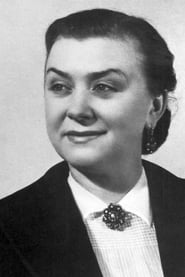
Mariya Mironova
Actor
Born: January 7, 1911 in Moscow, Russian Empire Died: November 13, 1997 Active: 1938-1997 Birth Name: Mariya Vladimirovna Mironova
Films
1 film
About Mariya Mironova
Mariya Vladimirovna Mironova was born on January 7, 1911, in Moscow, Russian Empire, and became beloved comedic actresses in Soviet theater and cinema. She graduated from the Moscow Art Theatre School and made her film debut in Grigori Alexandrov's musical comedy masterpiece 'Volga - Volga' (1938), where she played the enthusiastic postwoman Dunya Petrova. This breakthrough role established her as a prominent figure in Soviet cinema, though her primary career remained in theater. For over five decades, Mironova — leading actress at the Moscow Satire Theatre, where she developed her signature style combining physical comedy with genuine emotional depth. She married fellow actor Alexander Menaker in 1939, and together they raised their son Andrei Mironov, who would become one of Soviet cinema's most actors. Throughout her long career, Mironova continued performing well into her 80s, receiving the highest Soviet artistic honors including the title of People's Artist of the USSR in 1991. She passed away in Moscow on November 13, 1997, leaving behind a rich legacy in Russian performing arts.
The Craft
On Screen
Mironova was renowned for her natural comedic timing, expressive facial features, and ability to portray both naive and sharp-witted characters with equal authenticity. Her performances masterfully combined physical comedy with subtle emotional depth, making her particularly effective in satirical roles. She possessed a unique talent for finding the humanity in comedic characters, creating performances that were both hilarious and touching. Her style was characterized by its unforced quality and relatable charm, which resonated deeply with Soviet audiences during challenging historical periods.
Milestones
- Breakthrough role in 'Volga - Volga' (1938)
- Long-standing association with Moscow Satire Theatre (over 50 years)
- Awarded People's Artist of the RSFSR (1969)
- Awarded People's Artist of the USSR (1991)
- Mother of legendary actor Andrei Mironov
- Continued performing into her 80s
Best Known For
Iconic Roles
Must-See Films
Accolades
Won
- People's Artist of the RSFSR (1969)
- People's Artist of the USSR (1991)
- Order of the Red Banner of Labour (1971)
- Order of Friendship (1996)
Special Recognition
- People's Artist of the RSFSR (1969)
- People's Artist of the USSR (1991)
- Order of the Red Banner of Labour (1971)
- Order of Friendship (1996)
Working Relationships
Worked Often With
Studios
Why They Matter
Impact on Culture
Mariya Mironova played a pivotal role in shaping Soviet comedy both in theater and cinema. Her performance in 'Volga - Volga' contributed to what became. As a cornerstone of the Moscow Satire Theatre for over five decades, she helped define the golden age of Soviet theatrical comedy and mentored generations of performers. During periods of political and social upheaval, Mironova's ability to create characters that were both humorous and genuinely human provided Soviet audiences with much-needed entertainment and emotional connection. Her work represented the ideal of Soviet art that was both accessible to the masses and artistically sophisticated.
Lasting Legacy
Mariya Mironova's legacy endures through her classic film performances, particularly her iconic role in 'Volga - Volga,' which continues to be celebrated as a masterpiece of Soviet cinema. She is remembered as part of the golden generation of Soviet performers who helped define the country's cultural identity during the 20th century. The theatrical dynasty she created with husband Alexander Menaker and son Andrei Mironov remains an important part of Russian cultural history. Her influence on Russian comedy continues to be felt, with her naturalistic yet expressive style serving as a model for subsequent generations of comedic actors. The Moscow Satire Theatre, where she spent most of her career, continues to honor her memory and contribution to Russian performing arts.
Who They Inspired
Mironova significantly influenced Soviet and Russian comedy through her distinctive performance style that blended naturalism with expressive comedy. Her approach to finding truth in absurd situations and her ability to create relatable, enthusiastic characters set a standard for comedic acting in Soviet theater and film. Many subsequent Soviet and Russian actresses have cited her as an influence, particularly in the realm of satirical performance. Her son Andrei Mironov often acknowledged her impact on his own artistic development, and her techniques can be seen echoed in the work of contemporary Russian comedians. Her success demonstrated that comedy could be both artistically sophisticated and popular with mass audiences, influencing how theatrical comedy was valued in Soviet culture.
Off Screen
Mariya Mironova was married to Alexander Menaker, a prominent Soviet actor and satirist, from 1939 until his death in 1982. Their marriage was a union of two theatrical talents who deeply influenced Soviet comedy. Their son, Andrei Mironov, born in 1941, became. The Mironova-Menaker family became a theatrical dynasty in Soviet entertainment, with both parents mentoring their son who would eventually surpass them in fame. Mariya maintained a close relationship with Andrei throughout his career, and they occasionally appeared together in theatrical performances.
Education
Moscow Art Theatre School
Family
- Alexander Menaker (1939-1982)
Did You Know?
- Her film debut was in 'Volga - Volga' (1938), which became one of Stalin's favorite films
- She performed at the Moscow Satire Theatre for over 50 years
- Her son Andrei Mironov became arguably more famous than her as one of Soviet cinema's greatest actors
- She continued performing on stage well into her 80s
- The Mironova-Menaker family became one of Russia's most famous theatrical dynasties
- She received the highest Soviet artistic honors (People's Artist of the USSR) at age 80
- She outlived her famous son by a decade
- Her role in 'Volga - Volga' was as Dunya Petrova, an enthusiastic postwoman
- She was part of the first generation of Soviet actresses trained in the new theatrical methods of the 1920s-30s
- Despite her film success, she remained primarily a theater actress throughout her career
In Their Own Words
Theater is not just a profession, it's a way of life
In comedy, the most important thing is to find the truth in the absurd
To make people laugh is a great responsibility, you must never betray their trust
Frequently Asked Questions
Who was Mariya Mironova?
Soviet and Russian actress best known for her work in comedy, particularly her role as Dunya Petrova in the classic film 'Volga - Volga' (1938). She was a long-standing member of the Moscow Satire Theatre and the mother of legendary actor Andrei Mironov, making her part of one of Russia's most famous theatrical families.
What films is Mariya Mironova best known for?
Titles linked here include Volga - Volga (1938), Wedding Night (1944).
When was Mariya Mironova born and when did she die?
Born January 7, 1911; died November 13, 1997.
What awards did Mariya Mironova win?
Mariya Mironova received the highest honors in Soviet artistic recognition, including the title of People's Artist of the RSFSR in 1969 and People's Artist of the USSR in 1991. She was also awarded the Order of the Red Banner of Labour (1971) and the Order of Friendship (1996) for her contributions to Soviet culture.
What was Mariya Mironova's acting style?
Mironova was known for her natural comedic timing, expressive features, and ability to portray both naive and sharp-witted characters with authenticity. Her style combined physical comedy with emotional depth, creating performances that were both hilarious and touching, making her particularly effective in satirical roles.
How was Mariya Mironova related to Andrei Mironov?
Mariya Mironova was the mother of Andrei Mironov,. She was married to Alexander Menaker, and their son followed in their theatrical footsteps to become arguably even more famous than his parents in Russian entertainment.
What was Mariya Mironova's connection to the Moscow Satire Theatre?
Mariya Mironova was associated with the Moscow Satire Theatre for over 50 years, serving as one of its leading actresses. She helped shape the theater's distinctive comedic style and performed there throughout most of her career, becoming synonymous with the institution's golden age of Soviet comedy.
How did 'Volga - Volga' impact Mariya Mironova's career?
'Volga - Volga' was Mariya Mironova's film debut and breakthrough role, immediately establishing her as a notable film actress in Soviet cinema. The film became one of Stalin's favorites and remains a classic of Soviet cinema, cementing Mironova's place in film history, though she would remain primarily focused on theater throughout her career.