White Flash
Actor
- Active
- 1937-1937
Films 1
About White Flash
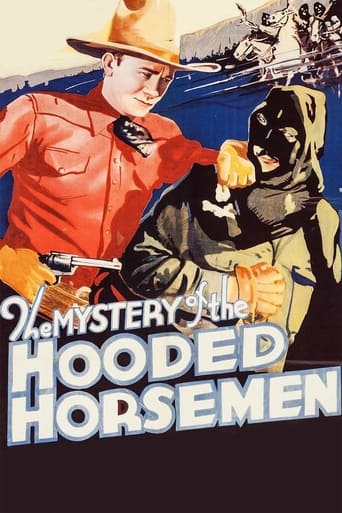
White Flash was a credited screen performer in the 1937 Mascot serial The Mystery of the Hooded Horsemen, where the name most likely refers to a horse rather than a human actor. In early Hollywood serials and westerns, notable animal performers were often given screen credit alongside the human cast, especially when they were important to action scenes or recurring hero mounts. White Flash appears to have been associated specifically with this one film credit, and no reliable evidence has surfaced linking the name to a separate human performer, stage name, or broader acting career. Because of that, biographical details such as birthplace, family background, training, or later life are not documented in standard classic-cinema reference sources. The available record suggests White Flash was part of the long tradition of animal stars in silent and early sound Westerns, where horses frequently functioned as recognizable supporting performers. Beyond this single 1937 credit, no additional confirmed filmography, awards history, or personal biography is currently verifiable from mainstream archival sources. As a result, White Flash is best understood as a credited animal performer from the serial era rather than as a conventional human actor in classic Hollywood.
More about White Flash
On screen
As a likely animal performer rather than a human actor, White Flash's screen presence would have been expressed through physical performance, movement, and action cues rather than spoken dialogue or conventional acting technique. In Western and serial filmmaking of the period, a credited horse could symbolize speed, reliability, and visual personality through chase scenes, mounted heroics, and repeated identification with a specific rider or character. The 'style' in this context is best understood as responsive stunt and movement work designed to serve the pacing and spectacle of the serial format.
In film history
White Flash’s cultural significance lies less in a conventional star career and more in what the credit represents: the importance of animal performers in early Hollywood genre filmmaking. In serials and Westerns, horses were not merely props but often integral screen personalities, especially when they were repeatedly used for action, rescue, and chase sequences. Named horses helped studios build audience recognition and gave low-budget action productions an added sense of continuity and charm. White Flash therefore stands as a small but revealing example of how classic cinema credited, packaged, and remembered non-human performers who contributed to the spectacle of the era.
Later reputation
White Flash’s legacy is archival and historical rather than star-driven. The name survives as a credit attached to a 1937 chapter serial, illustrating how carefully some productions identified their animal cast. For film historians, such credits are valuable evidence of the production practices of Mascot and similar studios, which relied heavily on horses and other trained animals to deliver the excitement audiences expected. White Flash also belongs to the broader legacy of celebrated movie animals whose screen identities helped shape popular memory of Westerns, even when their offscreen lives remain obscure.
Influence
If White Flash was indeed an animal performer, its influence would be indirect but real: the credited presence of horses like White Flash helped normalize the idea that animal performers could be part of the star system of genre cinema. Such credits influenced audience expectations for Westerns, where a dependable horse became an extension of the hero's identity and a recurring visual motif. This tradition carried forward into later film and television Westerns, where famous mounts continued to be recognized and marketed alongside human stars.
Off screen
No verified personal-life information is available for White Flash in standard classic-cinema references. If this credit refers to an animal performer, then conventional biographical categories such as marriages, children, or schooling would not apply. No reliable archival material has been identified that documents ownership, training, or later life in a way that can be stated confidently here.
Credits
- Credited in the 1937 serial The Mystery of the Hooded Horsemen
- Represents the tradition of named animal performers in classic Hollywood westerns and serials
- Associated with Mascot Pictures' action-oriented chapter-play production style
Roles
- The heroic horse credited as White Flash in The Mystery of the Hooded Horsemen
Films
Collaborators
- Cast and production team of The Mystery of the Hooded Horsemen
Studios
- Mascot Pictures
Notes
- The name White Flash is credited in a 1937 serial rather than in a large body of acting roles.
- The available record strongly suggests White Flash was a horse or other animal performer, not a human actor.
- Named horses were sometimes credited in Westerns and serials to acknowledge their role in action scenes.
- Mascot Pictures specialized in chapter serials that depended heavily on fast pacing, stunts, and mounted action.
- Because the credit is so limited, White Flash is a good example of how fragmentary some classic-cinema records can be.
- The Mystery of the Hooded Horsemen belongs to the late-era studio serial tradition of the 1930s.
- Animal credits like this can be difficult to document because they were not always preserved consistently in later databases.
Questions
Who was White Flash?
White Flash appears to have been a credited animal performer, most likely a horse, in the 1937 serial The Mystery of the Hooded Horsemen. There is no reliable evidence that the name refers to a separate human actor with a broader film career.
What films is White Flash best known for?
White Flash is best known for The Mystery of the Hooded Horsemen (1937), which is the only confirmed screen credit currently associated with the name. No additional verified film appearances have been identified in standard classic-cinema references.
When was White Flash born and when did White Flash die?
There is no verified birth or death information available for White Flash. If the credit refers to an animal performer, conventional biographical records such as birth and death dates may never have been documented publicly.
What awards did White Flash win?
No awards or nominations are known for White Flash. The surviving record is too limited to connect the name with any formal honors.
What was White Flash's acting style?
As a likely animal performer, White Flash's screen contribution would have been based on movement, timing, and action performance rather than dialogue. In the context of a 1930s serial, that meant supporting chase scenes, mounted action, and the visual rhythm of the Western genre.
What is White Flash's legacy in film history?
White Flash is part of the tradition of credited animal stars in early Hollywood, especially in Westerns and serials. Even with a minimal surviving record, the name illustrates how important horses were to the storytelling and spectacle of classic genre cinema.