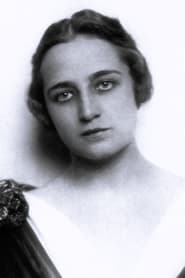
Margarete Schön
Actor
Born: May 17, 1895 in Magdeburg, Germany Died: December 21, 1985 Active: 1919-1933
Films
2 films
About Margarete Schön
German actress of the silent era, best remembered for her portrayal of Kriemhild in Fritz Lang's monumental 1924 epic 'Die Nibelungen'. Born in 1895, she began her acting career on the stage before transitioning to film during the golden age of German cinema. Her performance as the vengeful queen in Lang's two-part masterpiece established her as compelling dramatic actresses of her generation. Schön's screen presence was characterized by an intense, almost otherworldly quality that perfectly suited the mythic grandeur of German Expressionist cinema. Despite her limited filmography, her impact on silent cinema was profound, particularly through her work with directors of the Weimar period. Her career, though brief, coincided with artistically fertile periods in German film history. Schön's legacy endures primarily through her unforgettable performance in what many consider one of the greatest silent films ever made.
The Craft
On Screen
Margarete Schön's acting style embodied the dramatic intensity characteristic of German Expressionist cinema. Her performances featured exaggerated gestures and powerful facial expressions that conveyed deep emotional states without dialogue. She possessed a commanding screen presence, using her tall stature and striking features to create characters of mythic proportions. Her portrayal of Kriemhild demonstrated remarkable range, transitioning from innocent princess to vengeful queen with psychological depth. Schön's technique emphasized the transformation of human emotion into visual spectacle, a hallmark of the Expressionist movement.
Milestones
- Starred as Kriemhild in Fritz Lang's 'Die Nibelungen' (1924)
- Worked with prominent German directors of the Weimar era
- Transitioned from stage acting to silent films during German cinema's golden age
- Appeared in over 20 films during her career
- Became an icon of German Expressionist cinema
Best Known For
Iconic Roles
Must-See Films
Accolades
Special Recognition
- Honored as one of the iconic faces of German Expressionist cinema
- Recognized in retrospectives of German silent film history
Working Relationships
Worked Often With
Studios
Why They Matter
Impact on Culture
Margarete Schön's portrayal of Kriemhild in 'Die Nibelungen' became a cultural touchstone of German cinema, representing the pinnacle of silent film acting in the Expressionist tradition. Her performance helped establish the archetype of the vengeful woman in cinema, influencing countless subsequent films. The character she embodied became part of German cultural identity, representing both the strength and destructive potential of female passion. Schön's work contributed to the international recognition of German cinema during the 1920s, helping establish Germany as a creative force in global filmmaking. Her image as Kriemhild has been referenced and reproduced in various forms of media and academic studies of silent cinema.
Lasting Legacy
Margarete Schön's legacy is inextricably linked to her definitive portrayal of Kriemhild, which remains. Her work continues to be studied by film scholars as an exemplary model of Expressionist acting technique. Though her filmography was not extensive, the quality and impact of her performances have ensured her place in cinema history. Schön represents the transition from theatrical acting styles to the more nuanced film performances that would develop in subsequent decades. Her contribution to German cultural heritage through the adaptation of the Nibelungenlied has preserved an important piece of Germanic mythology for future generations. Modern film historians and enthusiasts continue to celebrate her work through screenings and retrospectives of classic German cinema.
Who They Inspired
Schön's intense dramatic style influenced subsequent generations of German actresses, particularly in the realm of historical and mythological roles. Her approach to conveying complex emotions through physical expression set a standard for silent film performance. Directors studying Fritz Lang's work often analyze her performance as a masterclass in collaboration between actor and director. Contemporary actresses in period pieces continue to draw inspiration from her ability to embody characters of mythic proportions. Her work demonstrated how silent film actors could create psychologically complex characters without the benefit of dialogue, influencing the evolution of film acting techniques.
Off Screen
Margarete Schön led a relatively private life away from the spotlight, maintaining the discretion common among German actors of her era. She was married to film director and actor Franz Porten, with whom she had a daughter, Hilde Porten. The family connections in the film industry helped establish her career during the early years of German cinema. After retiring from acting in the early 1930s, she largely withdrew from public life. She spent her later years in Germany, witnessing the dramatic changes in her country throughout the 20th century. Schön lived to be 90 years old, passing away in 1985.
Education
Trained in theater and dramatic arts in Germany before entering films
Family
- Franz Porten (married)
Did You Know?
- Her role as Kriemhild required her to wear elaborate costumes weighing over 20 pounds
- The 'Die Nibelungen' production took over a year to complete
- She was one of the highest-paid German actresses of the 1920s
- Her father-in-law, Franz Porten, was also a German filmmaker
- The success of 'Die Nibelungen' led to international recognition, including screenings in the United States
- She retired from films shortly after the transition to sound cinema began
- Her daughter Hilde Porten also appeared in films, continuing the family's cinematic legacy
- Margarete stood nearly 5'9" tall, unusually tall for actresses of her era
- She was known for her professionalism and dedication to craft during long shooting days
- The 'Die Nibelungen' films were restored and preserved by the Friedrich Wilhelm Murnau Foundation
In Their Own Words
In silent film, the eyes must speak what the voice cannot express
To play Kriemhild was not merely acting, but becoming part of German mythology
The camera sees truth even when we try to hide it
Frequently Asked Questions
Who was Margarete Schön?
German actress best known for her iconic role as Kriemhild in Fritz Lang's 1924 silent epic 'Die Nibelungen'. She was a prominent figure in German Expressionist cinema during the 1920s and remains celebrated for her powerful dramatic performances in the silent era.
What films is Margarete Schön best known for?
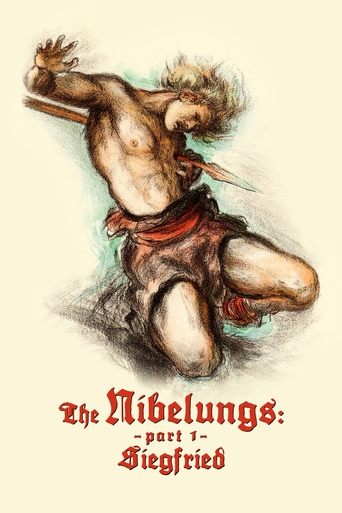
Titles linked here include Die Nibelungen: Siegfried (1924), Die Nibelungen: Kriemhild's Revenge (1924).
When was Margarete Schön born and when did she die?
Born May 17, 1895; died December 21, 1985.
What awards did Margarete Schön win?
During her active period in the 1920s, formal acting awards were not as established as they are today. However, she received critical acclaim and recognition for her performances, particularly her role in 'Die Nibelungen', which has been honored retrospectively as one of the greatest performances in silent cinema.
What was Margarete Schön's acting style?
Schön's acting style was characteristic of German Expressionist cinema, featuring dramatic gestures, intense facial expressions, and powerful emotional presence. She excelled at conveying complex psychological states through physical performance, making her ideal for the mythic and dramatic roles she portrayed.
Did Margarete Schön appear in sound films?
Margarete Schön's career primarily spanned the silent era, and she largely retired from acting around 1933, just as sound films were becoming dominant in Germany. Her legacy remains rooted in her silent film performances, particularly in Expressionist cinema.
Was Margarete Schön married?
Yes, she was married to Franz Porten, who was both an actor and director. They had a daughter named Hilde Porten who also became an actress, continuing the family's involvement in cinema.