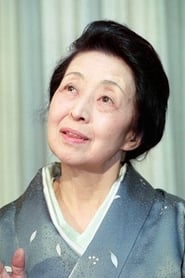
Sadako Sawamura
Actor
Born: June 1, 1908 in Tokyo, Japan Died: August 16, 1996 Active: 1930s-1960s Birth Name: Sadako Sawamura (沢村 貞子)
Films
1 film
About Sadako Sawamura
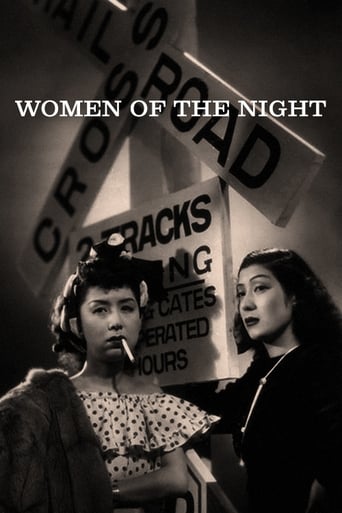
Japanese character actress: over three decades, primarily active from the 1930s through the 1960s. Born in Tokyo in 1908, she emerged as a significant supporting actress during Japan's golden age of cinema, particularly excelling in post-war films that explored the changing social dynamics of Japanese society. Her most notable role came in Akira Kurosawa's 1948 masterpiece 'Women of the Night,' where she delivered a powerful performance that showcased her ability to portray complex, emotionally nuanced characters. Throughout her career, Sawamura worked with many of Japan's most celebrated directors, becoming a familiar face in the country's cinematic landscape during a transformative period. She was particularly adept at playing maternal figures, working-class women, and characters who embodied the struggles and resilience of ordinary Japanese people during and after World War II. Her performances were characterized by their authenticity and emotional depth, making her a respected figure among both audiences and her peers in the Japanese film industry.
The Craft
On Screen
Naturalistic and emotionally authentic, specializing in portraying ordinary Japanese women with depth and realism. Her approach emphasized subtle facial expressions and body language to convey complex emotions, particularly effective in depicting the struggles and resilience of post-war Japanese society.
Milestones
- Breakthrough role in Akira Kurosawa's 'Women of the Night' (1948)
- Prolific character actress in post-war Japanese cinema
- Collaborated with major Japanese directors of the golden age
- Known for portraying working-class and maternal characters
Best Known For
Iconic Roles
Must-See Films
Working Relationships
Worked Often With
Studios
Why They Matter
Impact on Culture
Sadako Sawamura contributed significantly to the representation of ordinary Japanese women in cinema during a crucial period of social transformation. Her performances in post-war films helped document and interpret the changing roles and challenges faced by women in Japanese society, particularly during the difficult years following World War II. Through her work in films like 'Women of the Night,' she participated in the broader movement of Japanese cinema that sought to address contemporary social issues and provide authentic portrayals of Japanese life and culture.
Lasting Legacy
While not as internationally recognized as some of her contemporaries, Sadako Sawamura remains an important figure in the history of Japanese cinema, particularly for her contributions to the character acting tradition that supported Japan's golden age of film. Her work serves as a valuable record of the social and cultural dynamics of mid-20th century Japan, and her performances continue to be studied by film scholars interested in the representation of women in Japanese cinema.
Who They Inspired
As a character actress, Sawamura influenced subsequent generations of Japanese actors through her dedication to authentic, emotionally grounded performances. Her ability to bring depth and humanity to supporting roles helped establish the importance of well-developed character performances in Japanese cinema, a tradition that continues to influence Japanese filmmaking today.
Off Screen
Sadako Sawamura maintained a relatively private personal life throughout her career, focusing primarily on her craft as an actress. She was born and raised in Tokyo, where she would eventually pass away at the age of 88. Her career coincided with.
Education
Limited information available about her formal education, though she likely received training in traditional Japanese performing arts given her career trajectory in the film industry.
Did You Know?
- Born in Tokyo during the Meiji era, she witnessed Japan's transformation from imperial power to modern democracy
- Her performance in 'Women of the Night' was part of one of Kurosawa's earliest major films
- The film 'Women of the Night' was controversial for its time due to its frank depiction of prostitution and post-war social issues
- She was part of the generation of Japanese actors who helped bridge pre-war and post-war Japanese cinema
- Her active years covered the entire period of Japan's studio system dominance
- She worked during the same period as other Japanese actresses like Setsuko Hara and Kinuyo Tanaka
- Her death in 1996 marked the passing of one of the last links to Japan's classic cinema era
Frequently Asked Questions
Who was Sadako Sawamura?
Japanese character actress active from the 1930s through the 1960s, best known for her role in Akira Kurosawa's 1948 film 'Women of the Night.' She specialized in portraying ordinary Japanese women, particularly maternal figures and working-class characters during Japan's post-war cinema renaissance.
What films is Sadako Sawamura best known for?
Titles linked here include Women of the Night (1948).
When was Sadako Sawamura born and when did she die?
Born June 1, 1908; died August 16, 1996.
What awards did Sadako Sawamura win?
There is limited documentation of formal awards or nominations for Sadako Sawamura, which was common for supporting character actors of her era in Japanese cinema. Her recognition came primarily through the respect of her peers and her consistent work with prominent directors.
What was Sadako Sawamura's acting style?
Sawamura was known for her naturalistic and emotionally authentic acting style, specializing in portraying ordinary Japanese women with depth and realism. She used subtle facial expressions and body language to convey complex emotions, particularly effective in depicting the struggles of post-war Japanese society.